

Chaos V-Ray 7 Update 4 streamlines real-time virtual production workflows
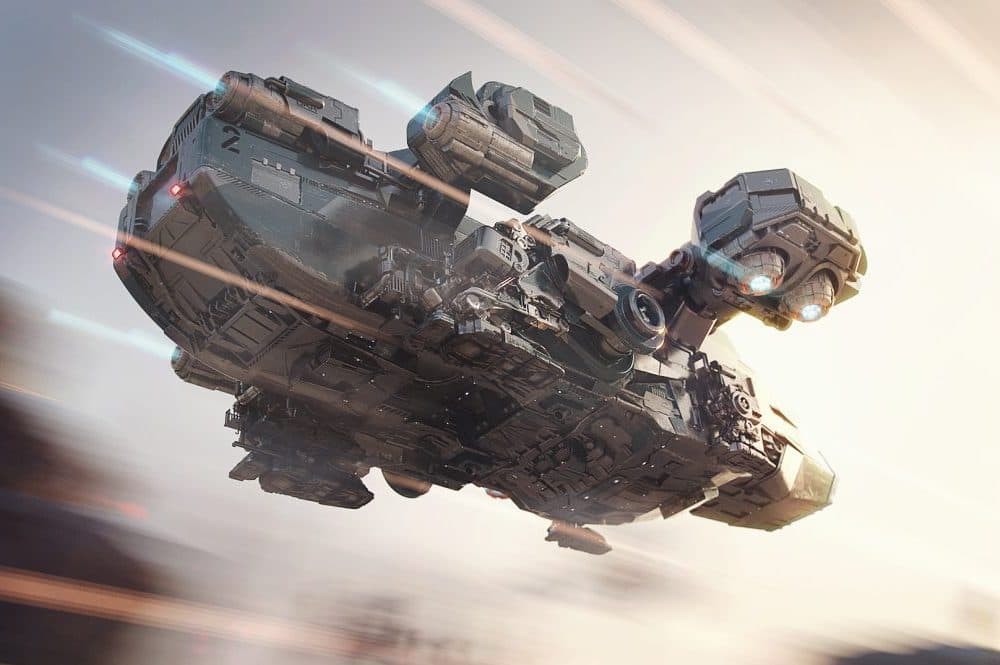
Chaos has launched V-Ray 7, Update 4, which integrates real-time rendering via Chaos Vantage directly into DCC viewports and adds support for Gaussian splat relighting. The update aims to unify asset workflows for film and virtual production pipelines, offering performance improvements for both CPU and GPU rendering.
Key Takeaways
- Integrated Chaos Vantage directly into Houdini and Maya viewports via Hydra Delegate and enhanced Live Link.
- Introduced Gaussian splat relighting for dynamic lighting adjustments of captured environments in 3ds Max, Maya, and Houdini.
- Expanded Chaos Arena for LED walls with real-time material editing, depth-of-field matching, and lens encoder support.
- Boosted rendering performance with GPU interactive previews starting up to 2x faster and CPU rendering gains of 13%.
- Added AI-driven Material Generator and AI Upscaler tools to V-Ray for Maya, Blender, and Chaos Vantage.
Why It Matters
This update addresses a critical bottleneck in virtual production: the technical friction of moving assets between creative tools and on-set display engines. By enabling real-time, ray-traced feedback within standard DCC viewports, Chaos reduces reliance on game engines like Unreal Engine for high-fidelity previz. This shift lowers the barrier for mid-sized studios and brings cinematic lighting accuracy earlier into the production cycle, effectively merging look development with final-frame delivery. For the streaming ecosystem, this promises faster high-end content turnaround as studios optimize for LED volume shoots. Watch for the forthcoming Blender Live Link and OpenUSD Hydra Delegate to see if this unified workflow gains traction across broader Linux-based Nuke and Katana pipelines.
Additional Context
The release of Chaos V-Ray 7, Update 4 follows the commercial launch of Chaos Arena in March 2025, which signaled the company's aggressive move to decouple virtual production from traditional game engines like Unreal Engine. Per Puget Systems (April 2025), while game engines pioneered ICVFX, their complexity and recurring 'experimental' production features created stability risks for Hollywood sets. Chaos Arena aims to solve this by allowing users to move fully path-traced V-Ray scenes onto LED walls in minutes rather than days. This competitive positioning was further reinforced by Foundry’s announcement of Nuke Stage in early 2025, reflecting a broader industry trend toward specialized production-to-pixel software over general-purpose game platforms.
Technical integration with hardware manufacturers has also accelerated this year. Per Chaos (July 2026), V-Ray GPU now supports AMD graphics cards via the HIP platform, alongside support for the latest NVIDIA Blackwell GPUs. This expanded hardware compatibility coincides with the launch of V-Ray 7.4 for Blender, which introduced the first Linux build for the open-source community—a critical move given that a significant portion of the visual effects industry operates on Linux-based workstations. Additionally, specialized AI architectural engines like Veras are now native to the V-Ray Frame Buffer, indicating that Chaos is embedding prompt-based generative tools directly into the rendering window to assist with rapid environment ideation during early pre-production phases.
Read full article at postperspective.com
Enjoy our coverage?
Add StreamingMeme as a preferred source on Google to see more of our streaming news at the top of your Search results.
Add as preferred source