
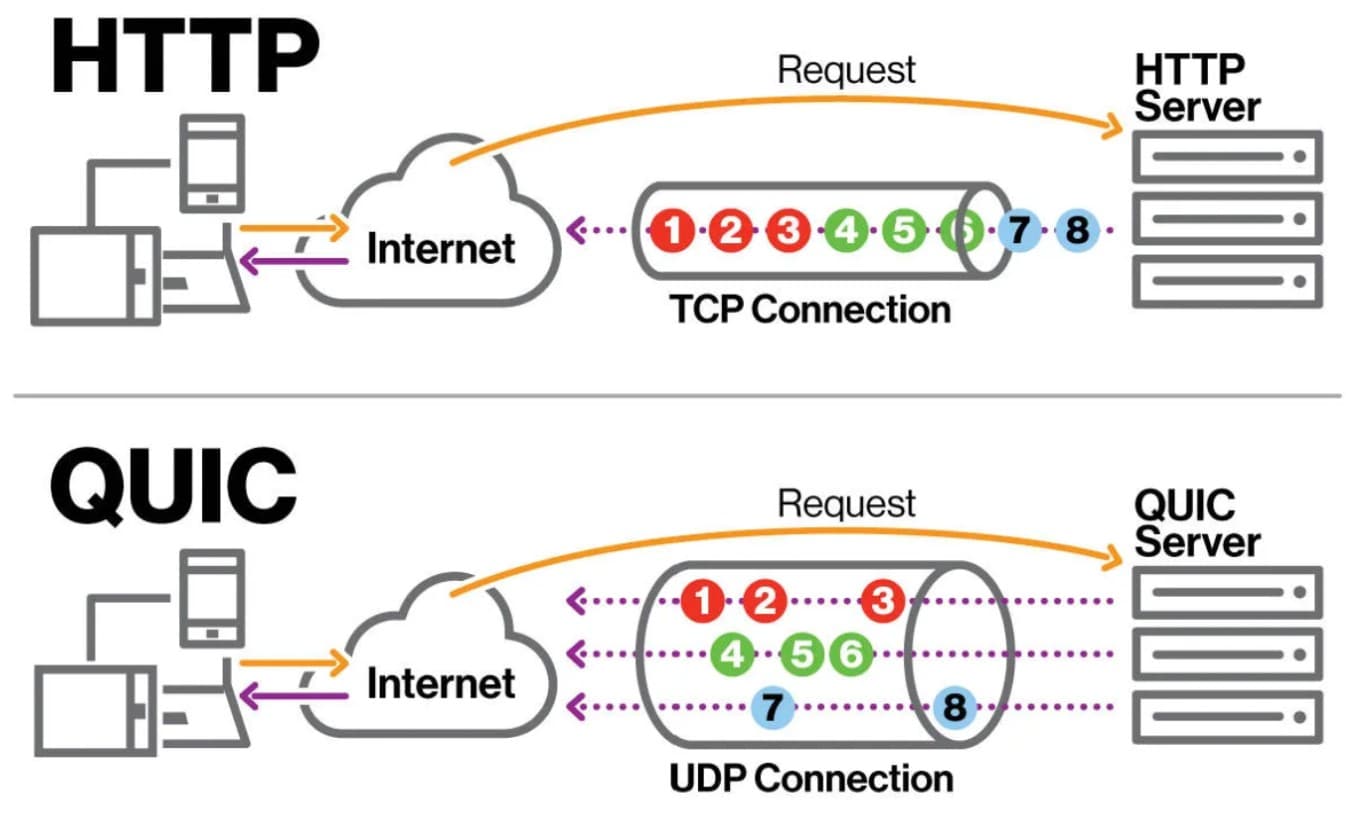
This article introduces Media over QUIC (MoQ), a new QUIC-based protocol aiming to bridge the gap between WebRTC's real-time, low-latency interactivity and HLS/DASH's large-scale, CDN-friendly delivery. MoQ is described as delivering sub-second latency while maintaining CDN-scale capabilities, addressing a fundamental tension in live streaming protocols.
MoQ matters because it directly addresses live streaming’s core tradeoff: WebRTC offers real-time interactivity, while HLS and DASH offer HTTP-based CDN delivery at scale. If MoQ can hold sub-second latency while preserving CDN compatibility, it narrows the gap between those two camps in the streaming stack. The strategic angle is that a QUIC-based approach could sit closer to existing internet transport patterns than WebRTC’s model. The key signal to watch next is whether MoQ progresses from this protocol concept into concrete deployment or implementation details.
Add StreamingMeme as a preferred source on Google to see more of our streaming news at the top of your Search results.
Add as preferred source