

SP Studios integrates AI for 15-30% of virtual production shot elements
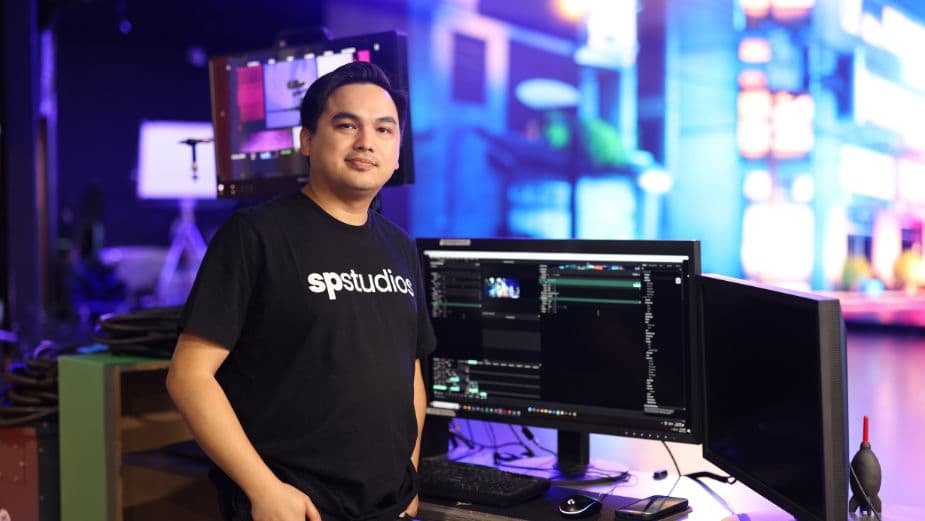
SP Studios is integrating AI tools into its virtual production workflow to assist with set extensions and environment enhancements, accounting for 15-30% of a finished shot. The studio emphasizes that AI is used to solve practical production challenges while maintaining human oversight for artistic compositing and detail refinement.
Key Takeaways
- AI now accounts for 15-30% of final shot elements at SP Studios, primarily for floor replacements and set extensions.
- The studio utilized AI to generate a full crowd plate and arena backdrop mid-shoot when practical extras were insufficient.
- Creative Director Chris Greef identifies nuance and hyper-specific details as persistent weaknesses where human VFX artists remain essential.
- Client consultations now include AI feasibility assessments, mirroring standard discussions for green screens or LED wall requirements.
Why It Matters
The integration at SP Studios signals a shift from AI as a high-level creative replacement to a practical utility within the in-camera VFX (ICVFX) stack. By limiting AI to 30% of the frame, the studio avoids the 'uncanny valley' while accelerating turnaround times for commercial clients. For the broader ecosystem, this validates a hybrid production model where generative tools serve as a bridge between physical sets and Unreal Engine-rendered environments. Watch for other mid-tier virtual production houses to adopt similar 'utility AI' frameworks to compete with major studio pipelines on budget and speed.
Additional Context
The virtual production market is undergoing significant expansion, with Grand View Research projecting the global sector to reach $3.3 billion in 2026. This growth is increasingly driven by the maturation of LED volumes and real-time engines like Unreal Engine, which are moving beyond high-budget Hollywood productions into commercial and branded content. Per reports from Mordor Intelligence in January 2026, software platforms now command over 50% of revenue in this space, supported by the integration of machine learning tools that automate repetitive assets like 3D models or environmental textures.
Recent industry data highlights a shift toward hybrid workflows that balance automation with human craft. Per PwC, as of early 2026, approximately 67% of major studios have integrated some form of AI into their production pipelines to streamline VFX rendering and pre-production scheduling. Furthermore, outlets like Vitrina.ai noted in July 2026 that AI is increasingly used for 'safety monitoring' and 'real-time lighting optimization' on LED stages, rather than just asset generation. This aligns with broader market trends where AI is marketed as a productivity multiplier that reduces on-location shooting days without displacing the creative role of the VFX supervisor.
Read full article at lbbonline.com
Enjoy our coverage?
Add StreamingMeme as a preferred source on Google to see more of our streaming news at the top of your Search results.
Add as preferred source