

Samsung SDI secures trillion-won AI battery supply chain through Taiwan’s Simplo
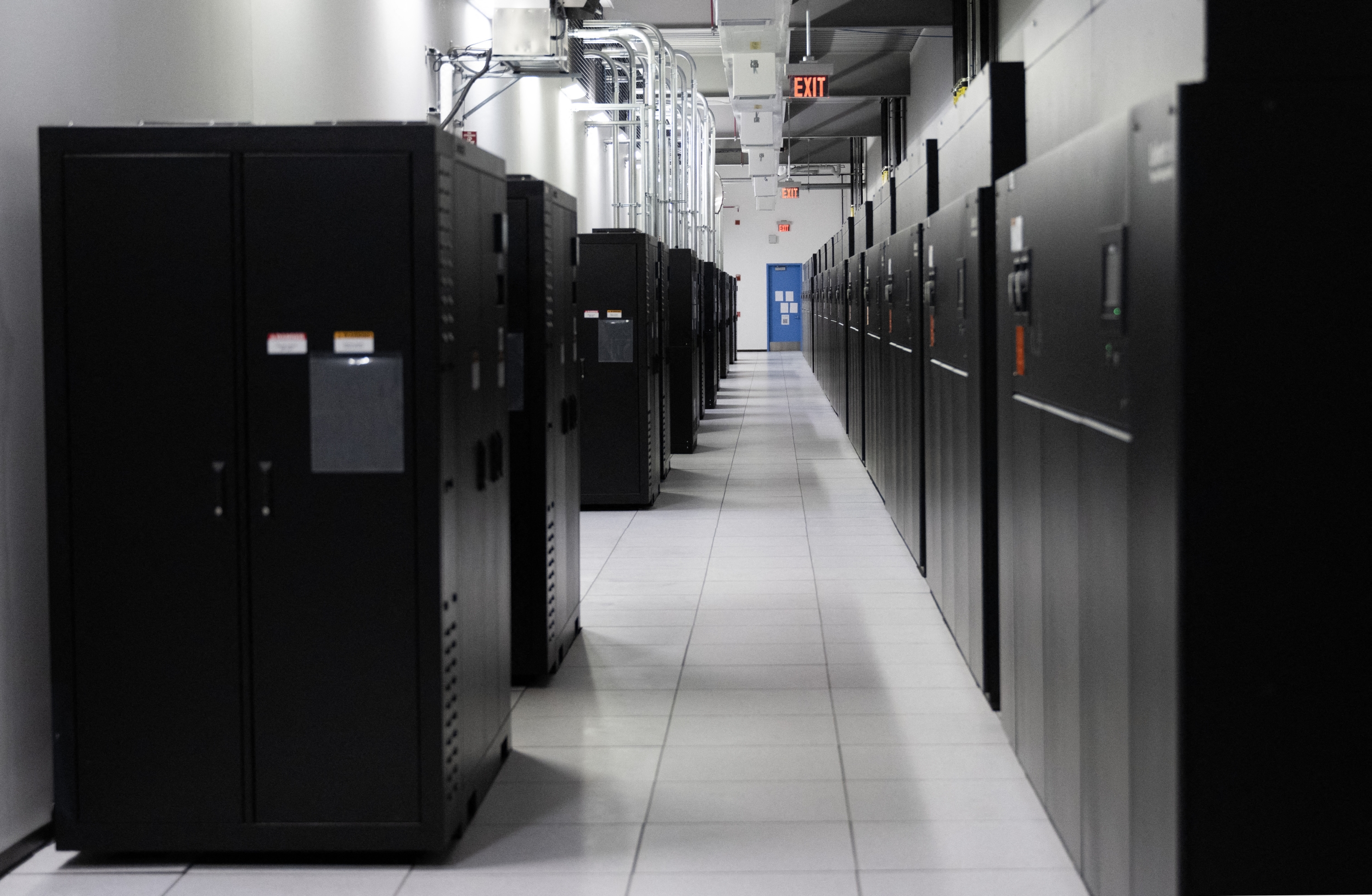
Samsung SDI is reportedly supplying high-voltage nickel-cobalt-aluminum (NCA) battery cells to Taiwanese manufacturer Simplo Technology for use in AI data center backup units. These battery backup units (BBUs) are increasingly deployed by North American cloud operators to maintain power stability for high-intensity GPU server clusters and to comply with evolving supply chain security standards regarding Chinese components.
Key Takeaways
- Annual order volume for Samsung SDI’s battery backup unit (BBU) cells could surpass 1 trillion won ($725M) as demand scales.
- The supply chain flows from Samsung SDI to Simplo's subsidiary, Trend Power, which assembles packs for end customers reportedly including Amazon and Meta.
- NCA (nickel-cobalt-aluminum) chemistry is favored over cheaper LFP cells due to the higher instantaneous voltage (3.6V-3.7V) required for peak AI workloads.
- Manufacturing is centralized in Samsung SDI’s Cheonan and Malaysia plants to ensure a 'non-China' origin for U.S. sensitive infrastructure.
Why It Matters
The rapid growth of AI training clusters is shifting data center power architecture toward rack-level energy buffers. Traditional facility-wide UPS systems cannot always handle the millisecond-scale power excursions caused by synchronized GPU workloads, necessitating localized BBUs. Complicated by U.S. Department of Defense procurement bans on major Chinese battery makers like BYD and EVE Energy, hyperscalers are aggressively pivoting to Korean and Japanese suppliers. This repositioning allows Samsung SDI to capture high-margin infrastructure revenue even as the electric vehicle market slows. Watch for whether rival Panasonic can expand its own capacity quickly enough to contest Samsung SDI's current production lead in this segment.
Additional Context
The U.S. Department of Defense significantly heightened supply chain pressure on June 8, 2026, when it updated the Section 1260H list of 'Chinese military companies' to include 188 entities. Per WilmerHale (June 2026), this update added major battery manufacturers including BYD, CALB, and EVE Energy, triggering a federal procurement ban that took effect on June 30, 2026. While the legal restriction primarily targets direct government contracts, its practical effect has been a broader exclusion of these brands from private-sector critical infrastructure, particularly in the AI and cloud sectors where security and stability are prioritized over price. Simultaneously, Samsung SDI has been expanding its technical portfolio to meet this specific demand. Per The Elec (April 2026), the company mass-produces a new 21700 cylindrical cell, dubbed '40V3,' specifically for BBU applications. This cell features 'tabless' technology to reduce internal resistance and heat generation during high-power discharge. This manufacturing push coincides with a market projection from Stats Market Research (February 2026) that values the global AI server BBU market at $1.04 billion in 2026, with an expected compound annual growth rate (CAGR) of 18.4% through 2034. Beyond rack-level units, the shift toward higher power density is driving orders for containerized solutions. Samsung SDI recently secured combined contracts worth 3.5 trillion won ($2.5 billion) from U.S. energy firms for its Samsung Battery Box (SBB) systems. According to Energy-Storage.News (September 2025), these large-scale systems are being deployed to stabilize external grid connections for hyperscale sites, reflecting a top-to-bottom re-engineering of data center energy stacks to support 50kW to 100kW rack densities.
Read full article at techtimes.com
Get this in your inbox → Subscribe
Enjoy our coverage?
Add StreamingMeme as a preferred source on Google to see more of our streaming news at the top of your Search results.
Add as preferred source