

OpenAI joins coalition lobbying against strict open-weight AI model regulations
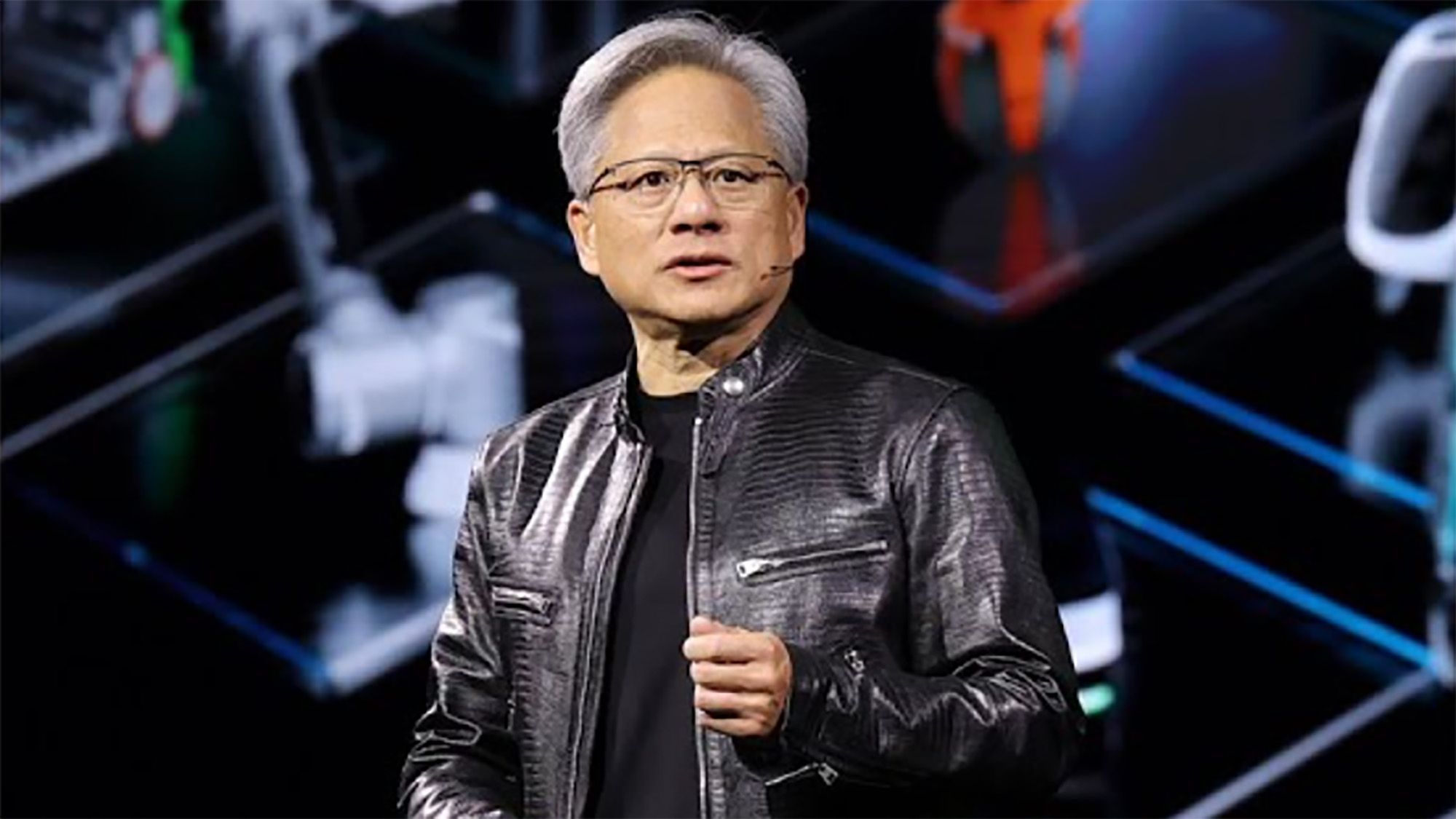
OpenAI has joined a coalition of major tech companies, including Nvidia, Microsoft, and Meta, to lobby US policymakers against placing premature restrictions on open-weight AI models. This regulatory advocacy coincides with federal warnings regarding foreign state-sponsored efforts to misappropriate intellectual property from AI firms like Anthropic.
Key Takeaways
- OpenAI shifted its typical safety-first stance to support the 'Open Weights and American AI Leadership' letter alongside 25 other firms.
- Meta's Llama series and Mistral models are center-stage as the industry fights for the right to distribute model weights for public iteration.
- White House official Michael Kratsios accused Beijing-based Moonshot AI of distilling Anthropic’s Claude Fable 5 to build its Kimi K3 model.
- The coalition warned that blunt-force export controls could shift global AI dominance by driving developers toward foreign-hosted alternatives.
Why It Matters
The alignment of traditionally 'closed' labs like OpenAI with 'open' advocates like Meta marks a critical strategic pivot aimed at preserving the U.S. competitive lead. For the streaming and enterprise video tech stack, open-weight models have become essential for low-latency, private-cloud inference and on-device processing. If regulators implement strict licensing or distribution barriers, the cost of specialized video-LLM deployment will likely rise as developers lose access to high-performance, royalty-free base models. Watch for whether specific 'Kill Switch' legislative language is adjusted to exempt models below established compute thresholds.
Additional Context
The industry's push for openness arrives as the performance gap between proprietary and open-weight models vanishes. Per DiscreteStack (May 2026), open architectures now lead in long-context reasoning, with five of the top ten models on the Artificial Analysis index currently being open-weight systems. This is exemplified by Moonshot AI’s Kimi K3, a 2.8 trillion-parameter model released in July 2026, which the Trump administration alleges was built via 'large-scale distillation' of Anthropic's proprietary Fable 5 model to mirror its reasoning capabilities without independent training costs. Regulators are responding with increasingly granular oversight. Per Wilson Sonsini (October 2025), California’s SB 53, the Transparency in Frontier AI Act, went into effect on January 1, 2026, forcing developers with over $500 million in revenue to publicly disclose safety frameworks for models exceeding the 10^26 FLOP threshold. While the tech coalition’s recent letter argues for the 'diffusion of innovation,' Treasury Secretary Scott Bessent signaled on X (July 2026) that industrial-scale distillation by foreign entities could trigger Entity List designations to protect American intellectual property. This regulatory tension directly impacts the hardware market. Nvidia CEO Jensen Huang noted at a July 2026 briefing that one in every four AI tokens is now generated by open-source models, highlighting why chipmakers are lobbying against restrictions that would limit their largest customer segment. According to Axios (July 2026), this debate has created a distinct 'commercial split' in Washington, with server vendors and infrastructure firms favoring open ecosystems while original frontier labs increasingly seek government-enforced moats against Chinese model distillation.
Read full article at techradar.com
Get this in your inbox → Subscribe
Enjoy our coverage?
Add StreamingMeme as a preferred source on Google to see more of our streaming news at the top of your Search results.
Add as preferred source