

Peacock streams 2026 World Cup with first commercial AC-4 audio deployment
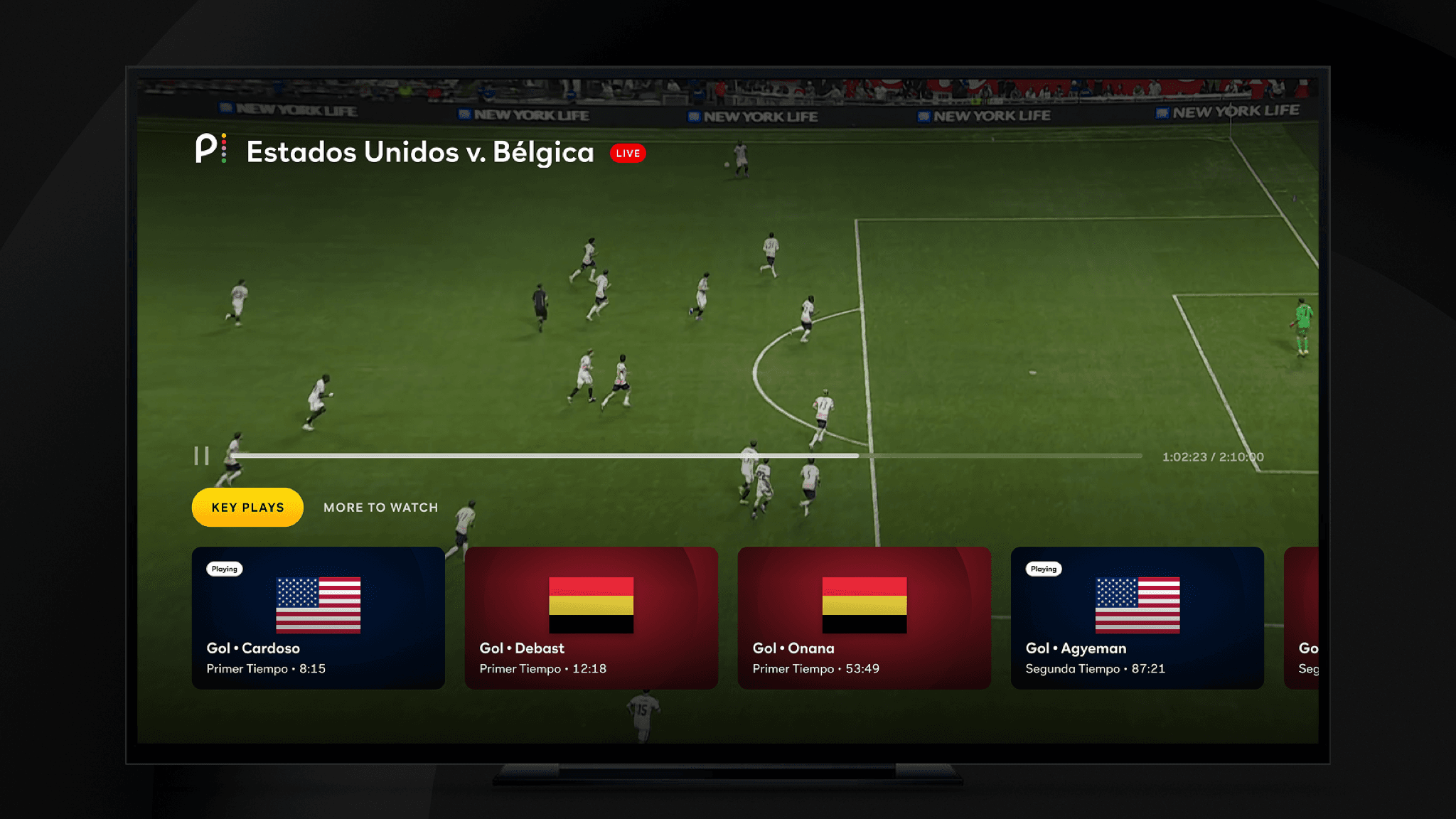
Peacock will broadcast the World Cup in Dolby Vision HDR and Dolby Atmos, utilizing the AC-4 streaming format for the first time. This initiative aims to provide a higher-quality live sports streaming experience for its subscribers.
Key Takeaways
- Commercial debut of the Dolby AC-4 audio codec for a major video streaming service.
- Native HDR production applied to all 104 Spanish-language matches via Telemundo's feed.
- AC-4 audio enables high-fidelity Dolby Atmos at 50% greater efficiency than traditional formats.
- Joint engineering effort between NBCUniversal and Dolby labs spanning over one year.
Why It Matters
The deployment of AC-4 addresses the critical bandwidth-to-quality ratio inherent in live 4K/HDR streaming. By moving to a more efficient codec, Peacock can maintain premium Atmos audio without the standard bitrate overhead that often causes buffering in high-traffic live events. This move establishes Peacock as the technical vanguard for sports streaming, utilizing the same technology stack fundamental to the ATSC 3.0 broadcast standard. The partnership signals a broader shift where streaming platforms increasingly adopt traditional broadcast engineering standards to solve scale and reliability issues. Watch for whether rival streamers like Netflix or Disney+ follow suit with AC-4 adoption for their expanding live sports portfolios.
Additional Context
The 2026 World Cup deployment represents a significant expansion of the partnership between NBCUniversal and Dolby. Per TV Tech in January 2026, Peacock had previously used the Consumer Electronics Show to announce its intent to become the first streamer to integrate Dolby’s full technology suite, including the first commercial use of Dolby Vision 2. While the 2024 Paris Olympics served as a testing ground for 4K and Atmos delivery, the 2026 tournament marks the definitive shift to AC-4 for live, large-scale commercial production. This aligns NBCUniversal’s streaming strategy with the broader NextGen TV (ATSC 3.0) rollout, which uses AC-4 to enable features like dialogue enhancement and consistent loudness levels.
Market competition for premium audio standards is intensifying as live sports migrate to digital platforms. Per What Hi-Fi? in January 2026, while Peacock leads with AC-4, rival hardware manufacturers like Samsung have focused on competing standards such as HDR10+ Advanced. Furthermore, early 2026 hardware data from LG suggests a fragmented market, as several flagship OLED models did not launch with native support for the newest Dolby Vision 2 iterations. This technical fragmentation means that while Peacock is providing the signal, the end-user experience remains dependent on the processing power and codec support of specific Smart TV and set-top box hardware.
Beyond video, AC-4 is also gaining traction in the music sector to optimize spatial audio delivery. Per WebWire in March 2026, QQ Music became the first major music platform to adopt the codec to deliver Dolby Atmos at scale. This cross-industry adoption highlights the dual utility of AC-4: providing studio-reference quality for professional monitoring while reducing data requirements for mobile and home listeners. As Peacock continues to onboard MLB and NBA rights in 2026, the efficiency gains from AC-4 will likely become the baseline requirement for maintaining 4K HDR reliability during high-concurrency sporting events.
Read full article at techradar.com
Enjoy our coverage?
Add StreamingMeme as a preferred source on Google to see more of our streaming news at the top of your Search results.
Add as preferred source