

Northrop Grumman launches first commercial robotic satellite mechanic to geostationary orbit
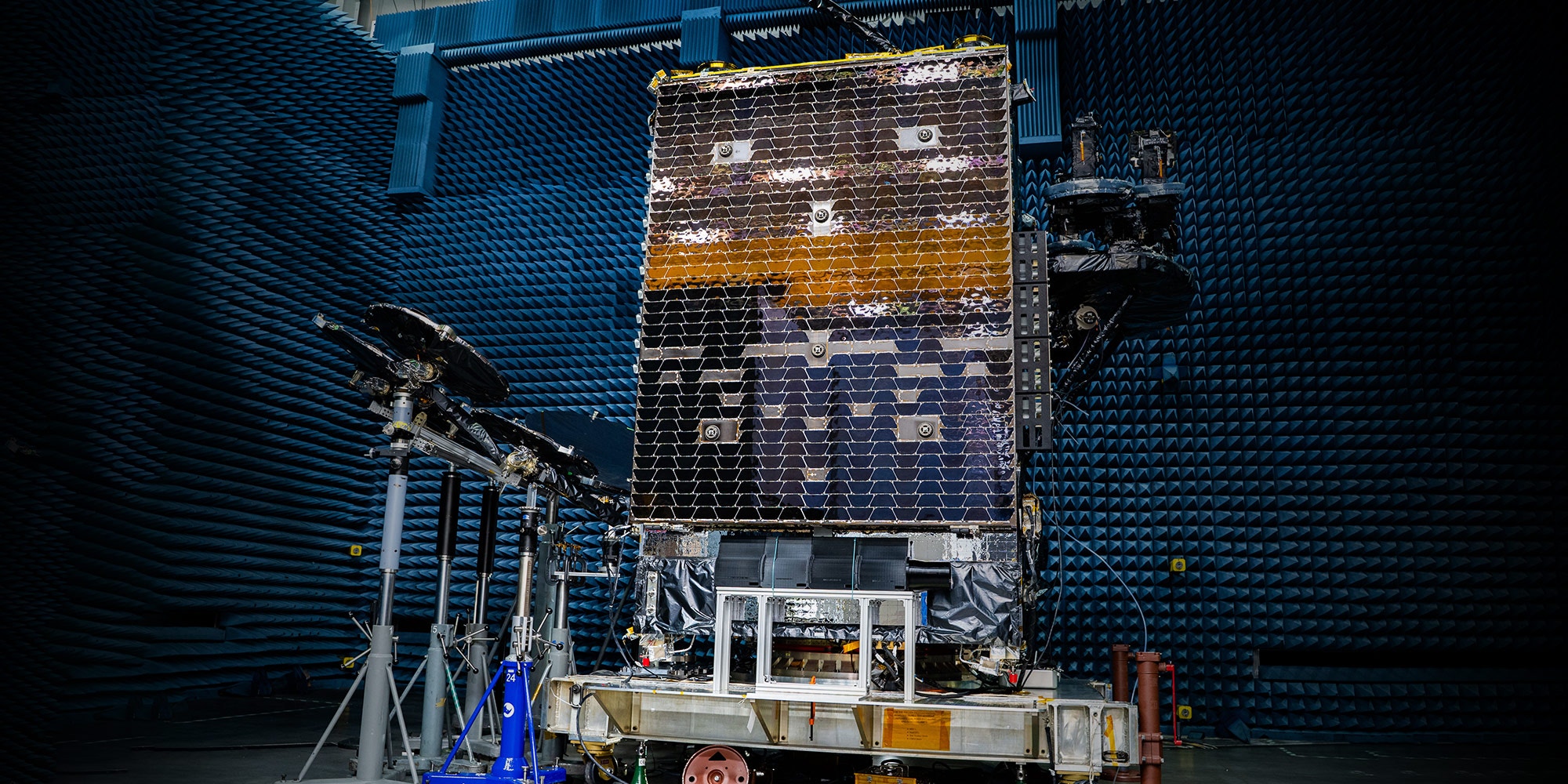
Northrop Grumman is launching its Mission Robotic Vehicle (MRV-1) to perform on-orbit servicing and installation of propulsion pods on geostationary satellites. The initiative aims to extend the operational lifespan of existing television and broadband communications satellites, offering a cost-effective alternative to launching new replacements.
Key Takeaways
- Mission Robotic Vehicle (MRV-1) uses two Naval Research Laboratory robotic arms to service satellites never designed for docking.
- Three Mission Extension Pods (MEPs) are being ferried to GEO to provide supplemental propulsion for Optus and Intelsat assets.
- The 3,000kg MRV platform supports up to 30 MEP installations over a projected 10-year operational lifespan.
- Servicing can extend a 2,000kg satellite's life by six years, avoiding replacement costs currently ranging from $200M to $400M.
Why It Matters
This launch transitions on-orbit servicing from theoretical demonstration to commercial infrastructure, allowing satellite operators to maximize existing hardware investments rather than deorbiting functional payloads due to fuel depletion. For the streaming and broadband ecosystem, this technology offers a hedge against the high capital expenditure of geostationary fleet renewal while ensuring orbital slot continuity. Success establishes a blueprint for future robotic repairs and hardware upgrades without atmospheric reentry. Watch for the 14-month transit period as these units move from transfer orbit to their operational geostationary positions, which will dictate the first-year revenue realization for the servicing contracts.
Additional Context
The commercialization of satellite life extension occurs as geostationary operators face intensified pressure to modernize aging fleets. Per SpaceNews in April 2026, the global on-orbit servicing market is projected to reach $5.16 billion by the end of the year, driven by a base of over 500 active GEO satellites. This demand is further underscored by recent shifts in government procurement; in November 2025, the Australian Department of Defence signed a $180 million contract with SES subsidiary Intelsat to extend the service life of the IS-22 satellite through 2033 rather than funding a full replacement program. Competition in this sector is expanding rapidly beyond Northrop Grumman's SpaceLogistics. Per Advanced Television, SES recently diversified its lifecycle management by ordering a servicing vehicle from Infinite Orbits in late 2025. Meanwhile, Starfish Space secured a $54.5 million Space Force contract in February 2026 for its 'Otter' servicing vehicle, capable of both life extension and debris mitigation. This follows a broader military trend toward 'dynamic space operations,' where the U.S. Space Force increasingly treats geostationary assets as maneuverable units rather than static hardware. Regulatory and sustainability mandates are also accelerating adoption. According to a June 2026 report from MarketIntelo, commercial applications now account for 56% of market value as operators seek to comply with emerging post-mission disposal guidelines. By enabling satellites to remain in their assigned slots longer or maneuver more efficiently at the end of life, robotic mechanics like the MRV-1 provide a technical solution for mitigating the 'minefield' of space junk that threathens high-value orbital positions.
Read full article at techtimes.com
Get this in your inbox → Subscribe
Enjoy our coverage?
Add StreamingMeme as a preferred source on Google to see more of our streaming news at the top of your Search results.
Add as preferred source