

Neko details open-source infrastructure for real-time multi-user video control
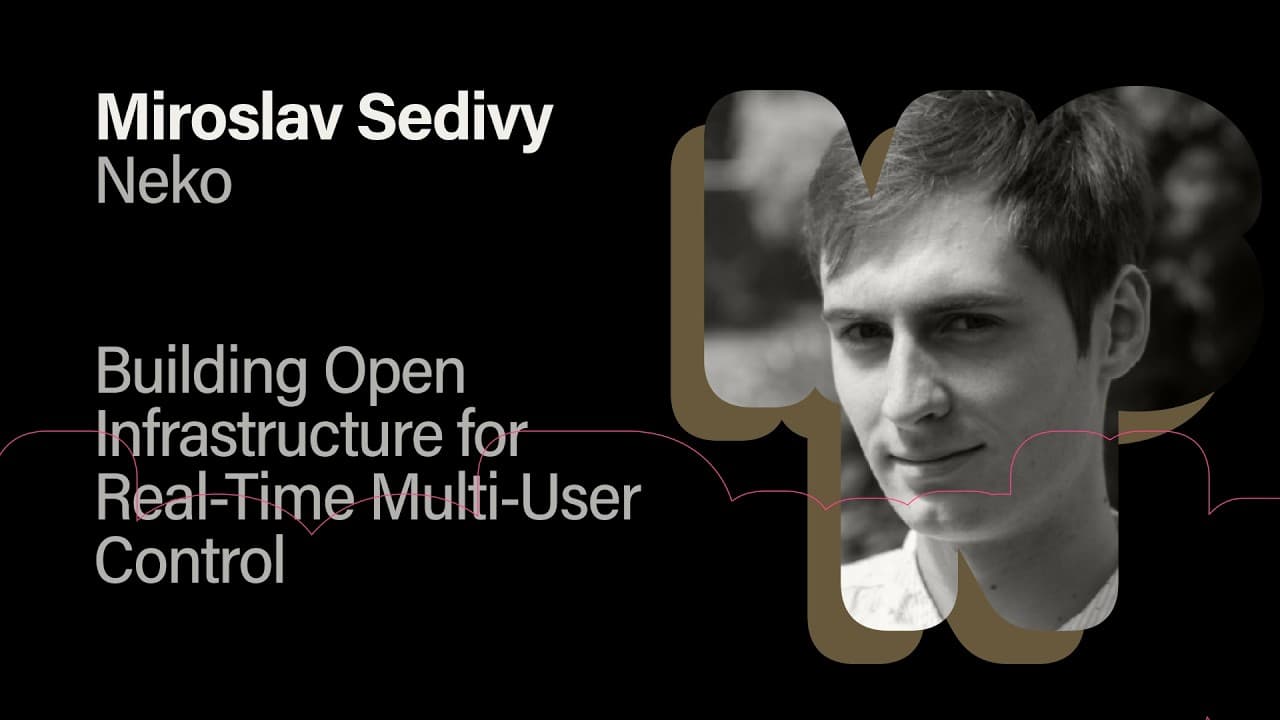
Neko is an open-source, self-hosted streaming platform utilizing WebRTC and GStreamer to facilitate real-time, multi-user shared interactions with virtual browsers and applications. The system employs a serialized host-token model for control arbitration, allowing multiple users to view and interact with content while preventing input conflicts.
Key Takeaways
- Uses a GStreamer media pipeline to deliver adaptive, per-peer WebRTC streams with sub-second glass-to-glass latency.
- Employs a strict ownership model that serializes inputs rather than merging them, preventing command chaos in shared sessions.
- Decouples the execution layer via Xorg/XTest, allowing the system to control virtual browsers, full desktops, or robotics.
- Features a separate RTMP broadcast pipeline for independent scaling and third-party platform integration during interactive sessions.
- Provides a self-hosted alternative to managed cloud browser services, ensuring user ownership of browser cookies and session data.
Why It Matters
The transition from passive viewing to interactive, collaborative streaming marks a critical shift for remote work, education, and social video. By providing a self-hostable, low-latency alternative to proprietary cloud browsers like Hyperbeam, Neko addresses growing enterprise concerns regarding data sovereignty and session privacy. The modularity of its execution layer—capable of faking user input for any Linux application—positions the project as a foundational primitive for B2B remote support and specialized AI-driven browsing. As the industry moves toward high-engagement formats, such open-source frameworks provide the necessary infrastructure for developers to build multi-user controls without the technical debt of building custom WebRTC orchestration from scratch. Watch for increased adoption in virtual lab environments and technical troubleshooting platforms.
Additional Context
The demand for low-latency synchronization has expanded beyond traditional video calls into highly interactive 'cobrowsing' and synchronized playback. According to reports from Cobrowse.io in early 2024, the collaborative browsing market is projected to exceed a $300 million valuation by 2029, with a compound annual growth rate (CAGR) of 5%. This growth is driven largely by the financial services and healthcare sectors, where secure, real-time guidance is critical for customer support. Analysts at Technavio similarly observed in June 2024 that the broader WebRTC market is surging, expecting an increase of over $185 billion through 2028 as businesses replace aging VNC and RDP protocols with browser-native solutions.
In the self-hosted ecosystem, Neko has emerged as a prominent open-source player, surpassing 20,000 GitHub stars as of April 2026. The project’s recent updates, including version 3.1.0, have focused on multi-tenant deployment through Neko Rooms and support for diverse desktop environments like XFCE and KDE. These developments mirror a wider industry trend toward 'sovereign streaming,' where organizations move away from managed cloud services to maintain control over their data footprint. Per Synergy Research Group in Q1 2025, cloud infrastructure demand continues to scale at over 20% annually, yet specialized niches for private, low-latency collaboration are increasingly being filled by open-source projects that leverage the maturing WebRTC and GStreamer stacks.
Read full article at youtube.com
Enjoy our coverage?
Add StreamingMeme as a preferred source on Google to see more of our streaming news at the top of your Search results.
Add as preferred source