

Meta faces 'pervert glasses' backlash in India after non-consensual protest recording
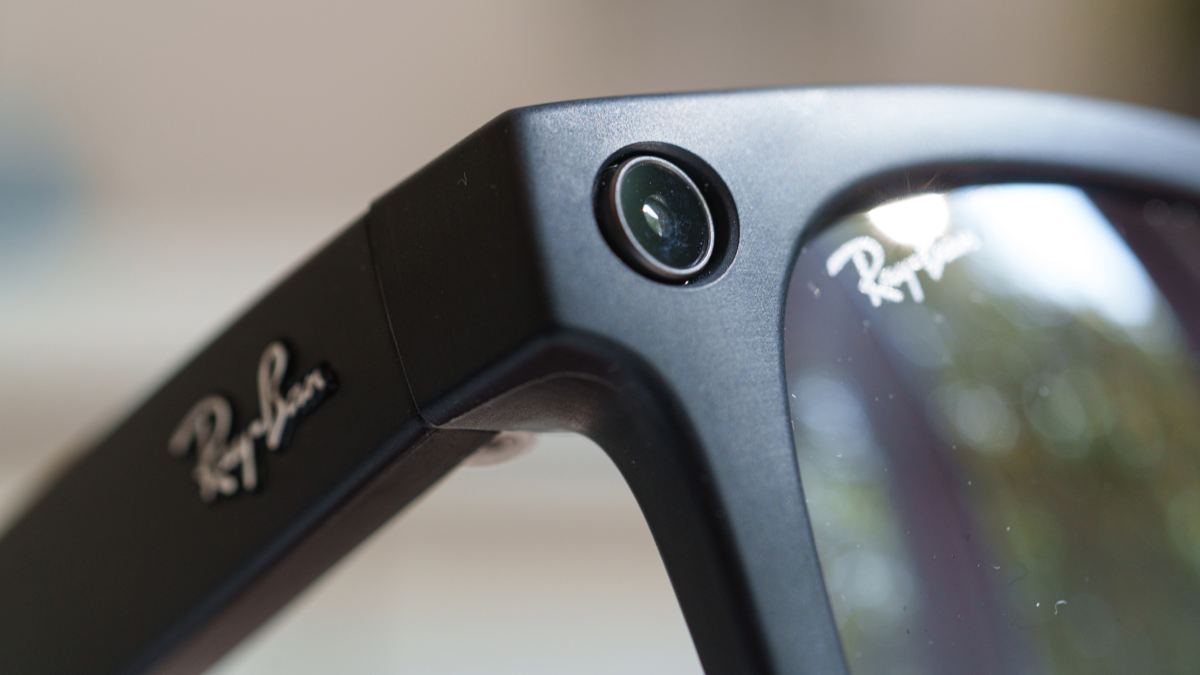
Meta’s AI-powered Ray-Ban smart glasses are facing criticism in India following reports that the device was used to record and harass individuals without consent at a political protest. The incident has intensified debates regarding the privacy implications of wearable video-recording technology and the accountability of companies that act as both hardware manufacturers and digital content platforms.
Key Takeaways
- A content creator utilized Ray-Ban Meta glasses to record and harass a transfeminine graphic designer without consent at a March 2026 trans rights protest in Delhi.
- Meta initially denied that the video violated community standards, only removing the content three weeks later after it had reached millions of views.
- The Ray-Ban Meta Gen 2 glasses retail for approximately 40,000 rupees ($480) in India and include a small LED intended to notify bystanders of active recording.
- Privacy experts argue the single LED is insufficient for public consent, while investigations reveal that AI features can trigger data collection and transmission without the wearer's knowledge.
- Visually impaired users report high utility for the glasses as assistive tech, highlighting a conflict between accessibility benefits and surveillance risks.
Why It Matters
The controversy highlights a critical vulnerability in the wearable tech stack: hardware indicators like LEDs fail to prevent non-consensual recording when paired with viral distribution platforms. For the streaming and social media industries, this case forces a rethink of content moderation policies regarding first-person perspective (FPP) hardware. As Meta and competitors integrate more intrusive AI features like continuous environment sensing, they face mounting pressure from civil rights groups and regulators to prove that 'bystander notice' is more than a legal disclaimer. The incident also risks a regulatory crackdown in India, a massive growth market, following the passage of the controversial Transgender Persons (Protection of Rights) Amendment Bill, 2026. Watch for whether Meta introduces software-level blocks on recording in sensitive geographic zones or protest sites.
Additional Context
The backlash in India coincides with broader global scrutiny of Meta’s data practices for wearable AI. In July 2026, the European Data Protection Board (EDPB) fast-tracked a report on the 'social acceptability' of smart glasses following reports that recordings—including intimate and sensitive situations—were reviewed by human contractors at Sama in Nairobi to train Meta’s AI models (per Politico, June 2026). Investigative reports by Swedish and Kenyan outlets earlier in the year detailed how these contractors encountered footage of bathroom visits, nudity, and financial documents, leading to a class-action lawsuit filed in California in March 2026. Technically, Meta has attempted to mitigate hardware tampering. In July 2026, the company issued a mandatory firmware update that disables the onboard camera if the privacy LED is detected as being broken, covered, or physically drilled out. This follows reports from outlets like 9to5Google that third-party services were offering to modify the devices for discreet recording. Simultaneously, Meta’s competitive landscape is shifting; per CBS News, Google previewed new Gemini-powered AI glasses at its I/O 2026 conference, emphasizing 'audio-first' features to avoid the same privacy pitfalls that derailed Google Glass and currently plague Meta. In India, the legal environment is particularly volatile. In March 2026, the Indian Parliament passed the Transgender Persons (Protection of Rights) Amendment Bill, which removed self-perceived gender identity in favor of medical verification. Rights groups, such as the Internet Freedom Foundation, have argued that providing high-tech surveillance tools in a climate of regressive legislation heightens the risk for vulnerable communities. Per The Hindu, several right-wing accounts have already used AI-powered memes derived from smart-glass footage to target activists, indicating that the intersection of wearable AI and local politics is becoming a primary regulatory battleground.
Read full article at techpolicy.press
Get this in your inbox → Subscribe
Enjoy our coverage?
Add StreamingMeme as a preferred source on Google to see more of our streaming news at the top of your Search results.
Add as preferred source