

Federal court blocks Texas child safety content filtering via Section 230
The U.S. Court of Appeals for the Fifth Circuit ruled that Section 230 protects social media platforms from state-level mandates requiring the filtering of content for minors. While the court upheld Texas's authority to enforce age-verification requirements, it rejected state-level content moderation standards for digital service providers.
Key Takeaways
- Section 230 of the Communications Decency Act was found to preempt state-level content monitoring requirements in Texas House Bill 18 (SCOPE Act).
- The 2-1 ruling upheld age-verification mandates, allowing states to require age gates while barring them from setting curation standards.
- Circuit Judge James Ho’s dissent argues that algorithmic curation is first-party speech, potentially creating a circuit split with the Third Circuit's Anderson v. TikTok ruling.
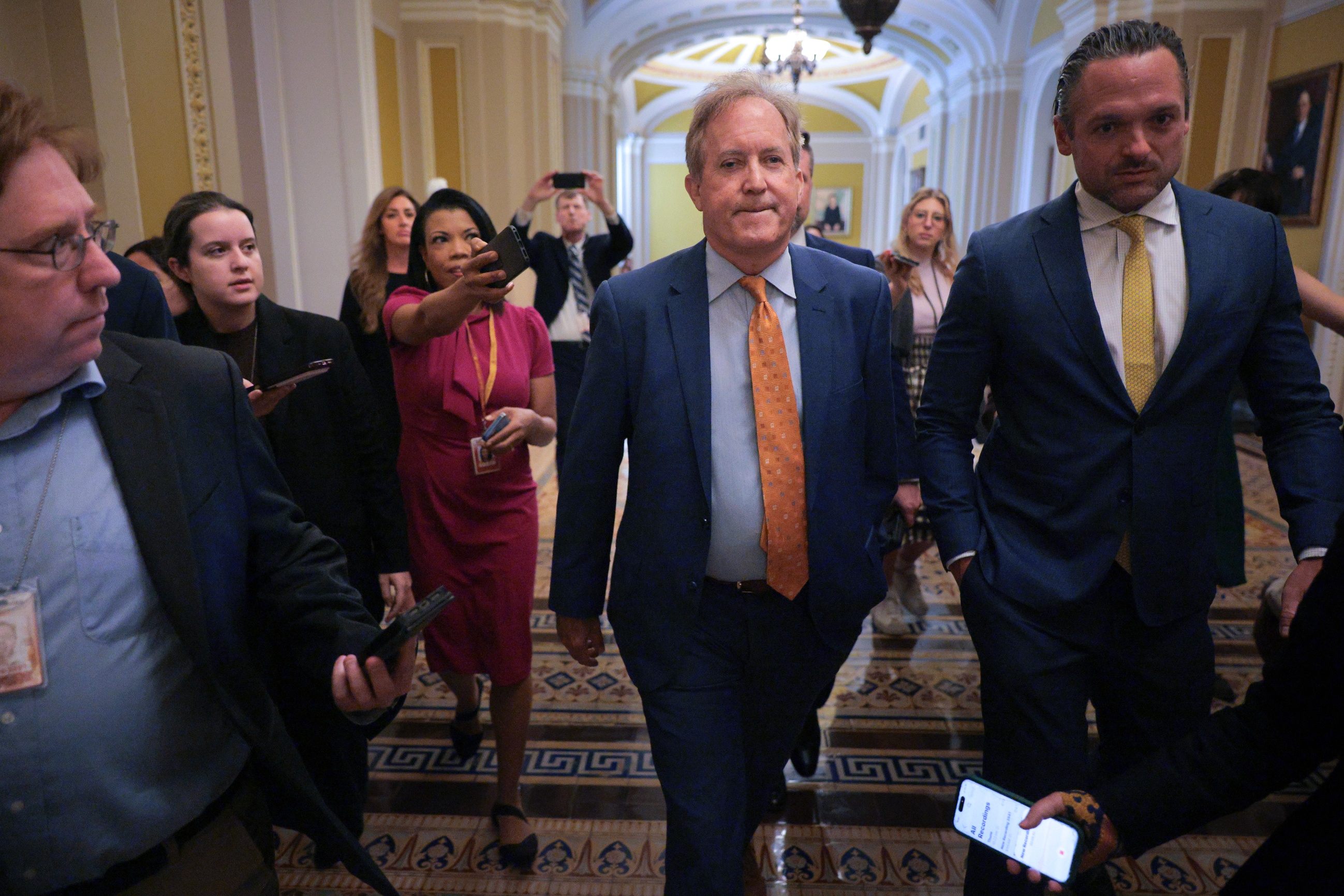
- Texas AG Ken Paxton is expected to seek en banc review or a Supreme Court appeal to resolve the preemption barrier facing state safety laws.
Why It Matters
This ruling solidifies a structural gap where states can demand user age data but cannot legally compel platforms to act on it via content moderation. For the streaming industry, it reinforces that algorithmic recommendations remain protected under Section 230, shielding providers from diverse state-by-state editorial mandates. However, the survival of age-verification requirements forces platforms to maintain high-friction entry points and navigate rising liability risks associated with identity data storage. Watch for the Fifth Circuit's potential en banc hearing, which could challenge the definition of 'editorial discretion' for algorithmic feeds.
Additional Context
The Fifth Circuit’s decision highlights a growing conflict between regional appeals courts regarding the scope of federal tech immunity. In August 2024, the U.S. Court of Appeals for the Third Circuit ruled in *Anderson v. TikTok* that Section 230 does not protect platforms from liability for their own algorithmic recommendations, framing curation as first-party expressive activity rather than third-party hosting. This established the legal architecture for personal injury and negligence claims related to platform design rather than just user content. Per Reuters, March 2026, a separate ruling regarding the California Age-Appropriate Design Code Act similarly allowed design-based regulations to proceed while questioning pure content mandates. On the federal level, legislative momentum has consistently stalled despite bipartisan safety rhetoric. The Kids Internet and Digital Safety (KIDS) Act, which effectively merged several previous bills including the Kids Online Safety Act (KOSA), remains stagnant. According to reports from June and July 2026, the House version of the bill survived subcommittee markups but faced significant resistance in the Senate, where sponsors indicated the current iteration lacked the necessary votes to overcome First Amendment and Section 230 hurdles. This legislative inertia leaves the judiciary as the primary arbiter of platform accountability for minor safety. The ruling also arrives amid heightened scrutiny of the third-party identity verification market. As more states mandate age gates, platforms have increasingly relied on external vendors, leading to significant security failures. Per reports from October 2025, a breach at a third-party support vendor exposed the government ID photos of approximately 70,000 Discord users. Furthermore, identity firm AU10TIX confirmed a data exposure in 2024 affecting credentials used for platforms like TikTok and X. These incidents have fueled industry interest in zero-knowledge proofs and device-level verification as safer alternatives to centralized identity databases mandatory under new state laws.
Read full article at techtimes.com
Get this in your inbox → Subscribe
Enjoy our coverage?
Add StreamingMeme as a preferred source on Google to see more of our streaming news at the top of your Search results.
Add as preferred source