

Major TV makers pivot from 8K as content and sales stall
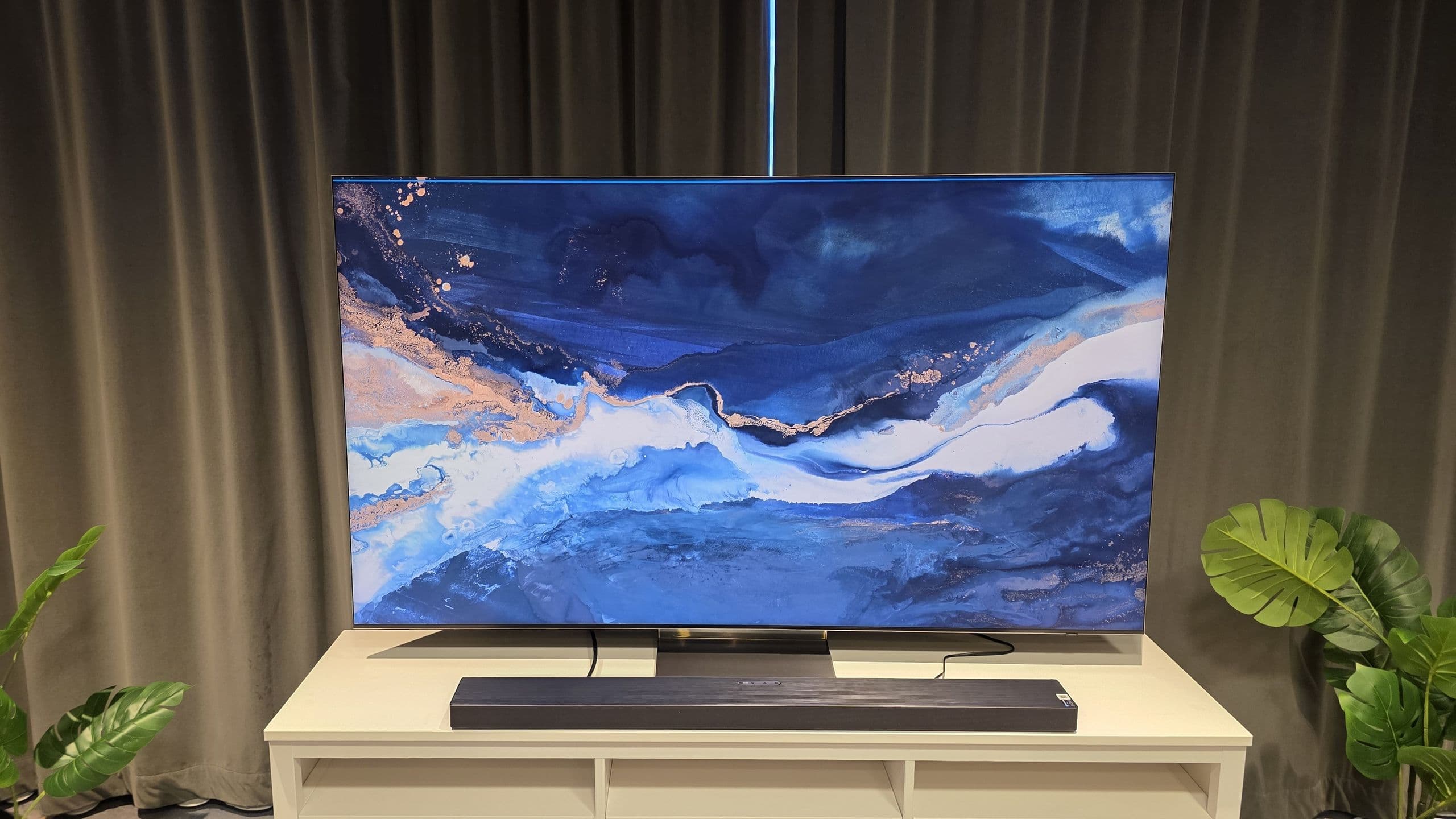
Major television OEMs including LG, Sony, and Samsung have shifted R&D and marketing focus away from 8K resolution due to high energy costs, limited native content, and lack of consumer demand. Manufacturers are instead prioritizing AI-driven upscaling and advancements in display panel technologies like OLED and Mini-LED.
Key Takeaways
- Samsung and LG have moved 8K branding away from headline features in 2024 to focus on AI processing and panel brightness.
- EU Ecodesign Directive energy limits effectively restrict 8K brightness, creating expensive engineering challenges at the 33-million-pixel level.
- Native 8K content remains almost non-existent for consumers, leaving 8K gaming and streaming in 'suspended animation.'
- TV manufacturers reached by the publication declined to provide 8K roadmaps, issuing only generic innovation statements or ignoring inquiries.
Why It Matters
The retreat from 8K signaling suggests a ceiling for the current pixel-count arms race. For the streaming ecosystem, this shifts the burden of hardware differentiation from raw resolution to AI-enhanced upscaling, which uses software to improve existing 4K assets rather than requiring expensive 8K bandwidth. Competitive focus has now locked onto panel brightness and contrast (OLED and Mini-LED) rather than resolution. Watch for whether Samsung continues to ship 8K sets in 'Eco' modes with locked brightness to bypass EU power caps, as this will indicate if the category survives as a low-volume prestige tier.
Additional Context
The 8K TV market has reached an inflection point where regulatory and economic pressures are outweighing early-adopter enthusiasm. Per EU legislation that took effect in March 2023, high-density displays are subject to strict Energy Efficiency Index (EEI) limits that do not exempt 8K or Micro-LED panels. To comply, manufacturers like Samsung have been forced to ship 8K models in default 'Eco' modes with drastically reduced brightness; Forbes reported in 2023 that some flagship sets were preset to brightness levels as low as 8 out of 50 to meet these consumption caps.
Market data underscores a significant retreat by top-tier Japanese and Korean brands. In April 2025, Sony reportedly withdrew from the 8K segment entirely to focus on high-performance 4K OLED and Mini-LED, per Mordor Intelligence. While 8K sets reached approximately 4.8 million shipments globally in 2025, this remains a fraction of the 280 million 4K units shipped that same year. Most major manufacturers have pivoted toward AI-driven image processing: Samsung’s 2024 Neo QLED 8K utilizes the NQ8 AI Gen3 processor with 512 neural networks specifically to upscale 4K content, acknowledging that native 8K media is missing from the market.
Despite the consumer lull, 8K technology is finding a secondary life in professional and niche sectors. According to Expert Market Research in February 2026, the 8K ecosystem is increasingly supported by high-end gaming hardware like the NVIDIA GeForce RTX 3090 and the PlayStation 5 Pro. Additionally, commercial deployments in corporate boardrooms, medical imaging, and digital art exhibits are projected to grow at a 17% CAGR through 2030, even as residential adoption remains stifled by limited home network bandwidth and the absence of 8K streaming commitments from major platforms like Netflix or Disney+.
Read full article at whathifi.com
Enjoy our coverage?
Add StreamingMeme as a preferred source on Google to see more of our streaming news at the top of your Search results.
Add as preferred source