

Hisense faces federal and state legal actions over ACR screen tracking
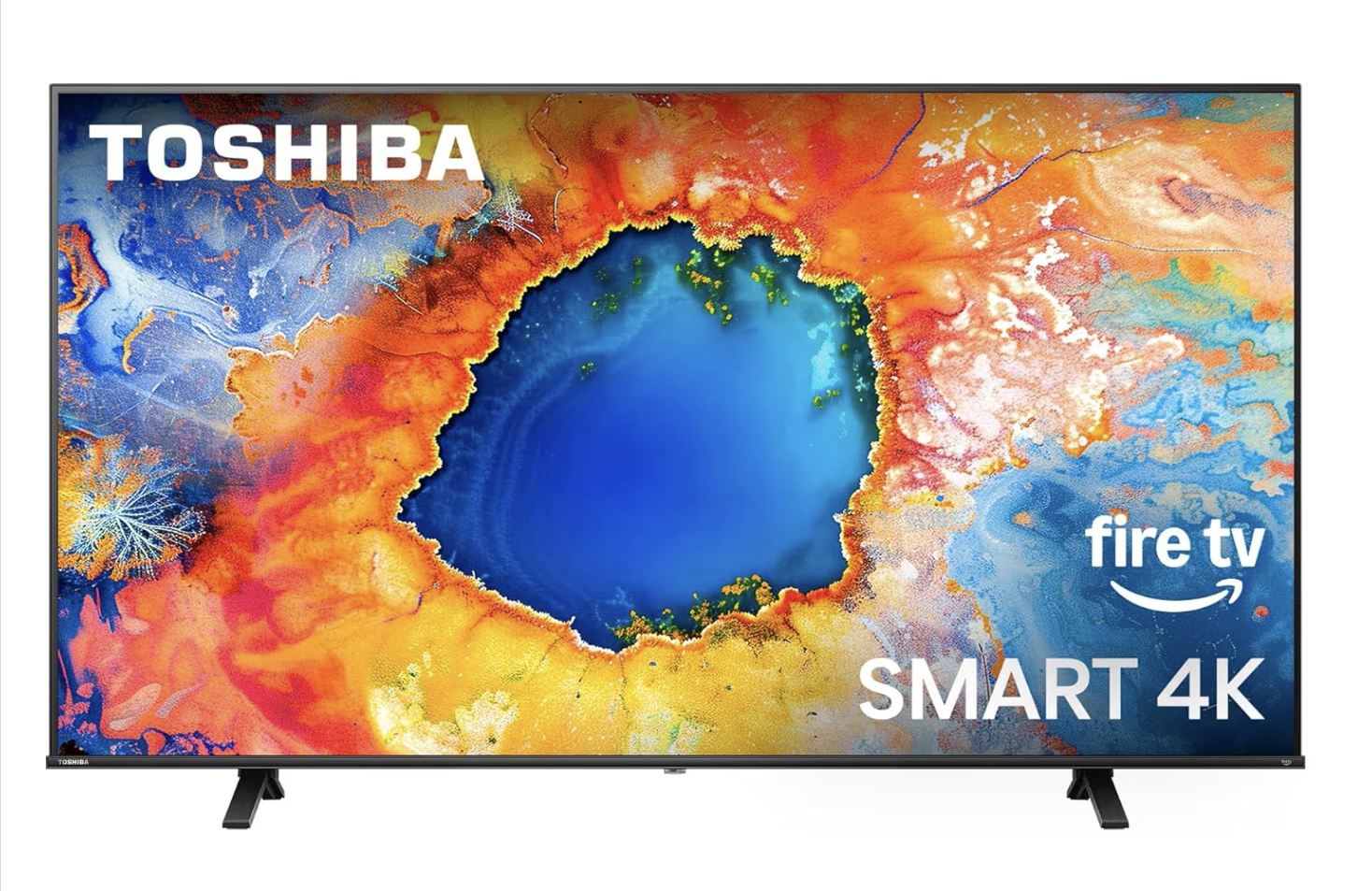
Hisense faces a federal class-action lawsuit and a Texas regulatory enforcement action alleging its Smart TVs capture screen data via Automated Content Recognition (ACR) technology without consent. The litigation claims that the company, which manufactures Toshiba-branded televisions, transmits sensitive data to its state-owned parent entity in China.
Key Takeaways
- Texas AG Ken Paxton secured a temporary restraining order blocking Hisense from collecting ACR data on Texas residents.
- Federal class-action complaint alleges Hisense TVs transmit sensitive viewing data to its state-owned parent entity in China.
- ACR technology reportedly captures data from all HDMI-connected devices, including gaming consoles and cable boxes, every 500 milliseconds.
- Litigation cites the Bulk Sensitive Data Transfer Rule, a DOJ regulation effective April 8, 2025, restricting transfers to "countries of concern."
Why It Matters
The legal pressure on Hisense marks a critical intersection of consumer privacy law and national security policy. For the streaming ecosystem, this intensifies scrutiny on ACR — a pillar of modern ad-targeting and measurement — as regulators increasingly view it through a surveillance lens. If the DOJ’s bulk data transfer rule is strictly applied to Chinese-owned manufacturers like Hisense and TCL, it could force a decoupling of hardware telemetry from international data processors. Watch for whether the court elevates ACR signatures to the level of "sensitive personal data" under the federal Wiretap Act, which would fundamentally reset the liability profile for all smart TV OEMs.
Additional Context
The litigation against Hisense follows a broader regulatory crackdown on the smart TV industry’s data sets. Per legal filings from the Texas Attorney General in March 2026, Samsung reached a settlement to resolve similar allegations. Under the agreement, Samsung must stop collecting ACR data from Texans without explicit consent and revise its on-screen privacy prompts. LG Electronics reached a similar settlement in May 2026, which strictly prohibited the transfer of viewing data to entities in China and mandated clear pop-up disclosures for its users, according to Fox 7 Austin. These enforcement actions build on foundations laid by the Federal Trade Commission (FTC). As early as February 2017, the FTC and New Jersey officials secured a $2.2 million settlement with Vizio for secretly tracking 11 million TVs. Unlike those earlier cases, recent litigation specifically leverages the Department of Justice’s Bulk Sensitive Data Transfer Rule. This rule, which took full effect on April 8, 2025, prohibits U.S. persons and entities from transferring bulk personal data to "countries of concern," specifically naming China, Russia, Iran, and North Korea, per PwC reporting. The technical specifications of these data collection programs are increasingly central to the legal claims. While Hisense maintains its sets provide high-quality Fire TV experiences, the Texas AG labels the devices "mass surveillance systems" due to their ability to build persistent household-level profiles. According to Malwarebytes, the March 2026 settlement with Samsung highlighted that these profiles are not just used for internal engineering, but are actively monetized through commercial data brokers to enable cross-device advertising and attribution measurement.
Read full article at techtimes.com
Get this in your inbox → Subscribe
Enjoy our coverage?
Add StreamingMeme as a preferred source on Google to see more of our streaming news at the top of your Search results.
Add as preferred source