

HBS London hub drives 3x surge in World Cup digital consumption
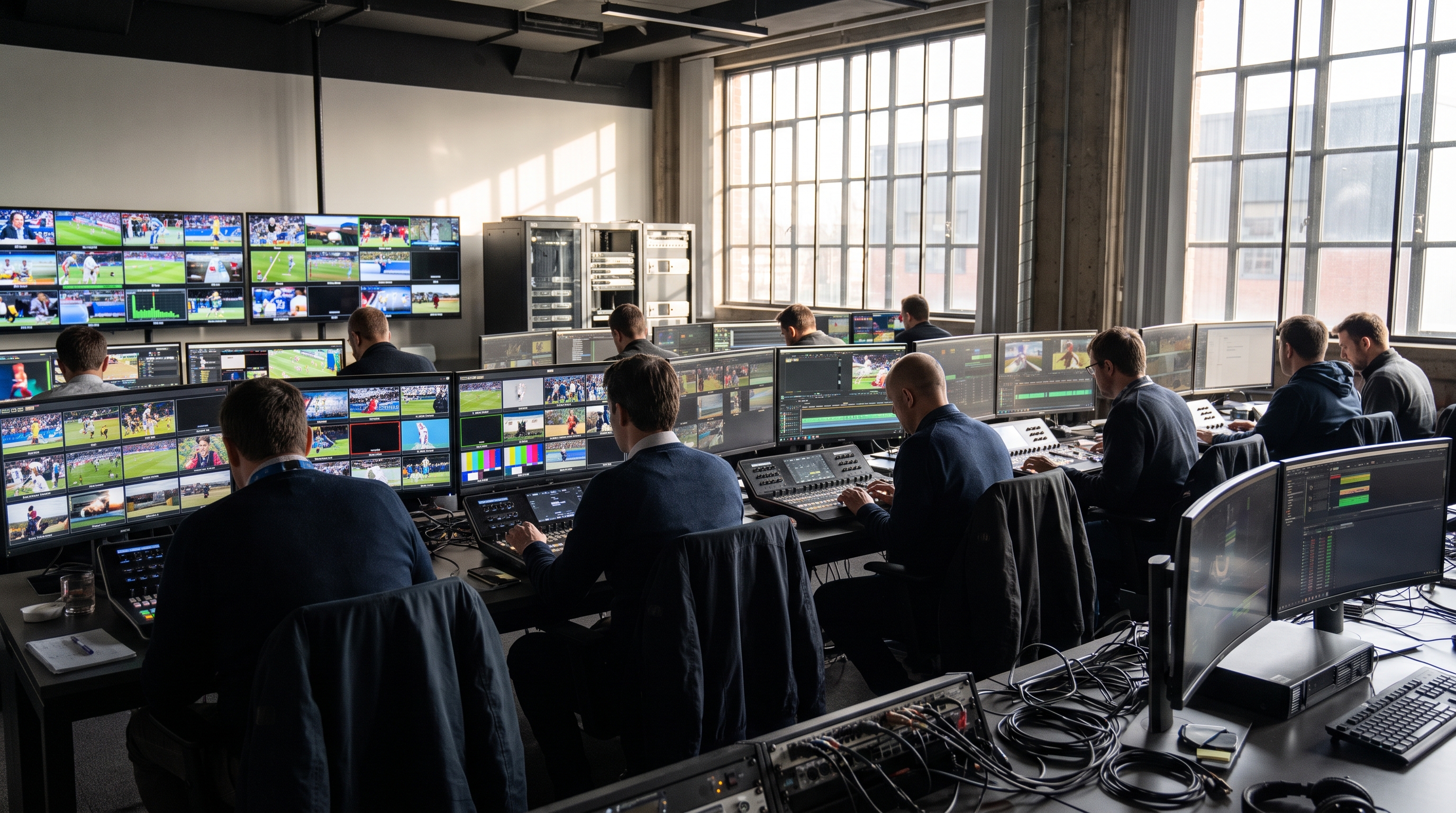
Host Broadcast Services (HBS) utilized a centralized London hub with 126 editing stations to produce multi-platform content for the 2026 FIFA World Cup. The project successfully integrated live broadcasting with digital and social-first content distribution, resulting in a three-fold increase in digital consumption compared to previous tournaments.
Key Takeaways
- London-based hub at Liverpool Media Academy housed 400 production professionals and 126 editing suites for remote post-production.
- Digital content consumption increased 300% compared to previous tournaments via the unified FIFA MAX platform.
- HBS deployed 48 ENG teams and 16 city crews to feed raw 'rushes' and 'datatainment' features to rights holders like FOX and DAZN.
- Decentralized production model split operations between London, the Dallas IBC, and 16 North American match venues.
Why It Matters
The success of the HBS London hub confirms that high-volume, multi-platform major event production no longer requires massive on-site footprints. By shifting non-live operations to where talent is concentrated rather than flying staff to the host nation, FIFA has set a new sustainability and cost-efficiency benchmark for 2030. This model highlights a growing industry reliance on 'datatainment' feeds, which use tracking data for virtual match re-creations, offering rights holders new commercialization paths beyond standard 16:9 broadcasts. Watch for 2030 World Cup planning to further integrate individual social creators into the primary host broadcast workflow.
Additional Context
The strategic shift to a decentralized model was necessitated by the unprecedented scale of the 2026 tournament, which expanded to 48 teams and 104 matches across three nations. According to SVG Europe (July 2026), HBS established its primary International Broadcast Centre (IBC) at the 45,000-square-meter Kay Bailey Hutchison Convention Center in Dallas, Texas. While Dallas served as the nerve center for live match feeds and VAR operations, the London hub focused specifically on social-first and non-live assets, replicating a remote production framework first tested by HBS during the 2023 Women's World Cup. This split-city approach allowed production teams to work across varying time zones without overextending personnel in host cities. Broadcasters capitalized on this output to reach record audiences. Per FOX Sports (July 2026), digital and social platforms generated over 17.2 billion content views, marking the most digitally viewed event in the network's history. FIFA official data (July 2026) confirmed that TikTok and YouTube served as 'preferred platforms,' driving 20 billion total video views globally. Consumption was further bolstered by technical innovations like 'datatainment' feeds. DAZN Japan used these tracking-data-driven visualizations as its centerpiece coverage to differentiate from local linear competitors, according to HBS digital leads. This transition toward data-rich, interactive feeds aligns with reports from TVBEurope (June 2026) regarding the heavy deployment of SMPTE ST 2110 and JPEG XS networking by Verizon to carry 7 Tb/s of data between stadiums and centralized hubs.
Read full article at sportsvideo.org
Get this in your inbox → Subscribe
Enjoy our coverage?
Add StreamingMeme as a preferred source on Google to see more of our streaming news at the top of your Search results.
Add as preferred source