

FAST Viewership Grew 34% in Four Years, Outpacing Subscriptions
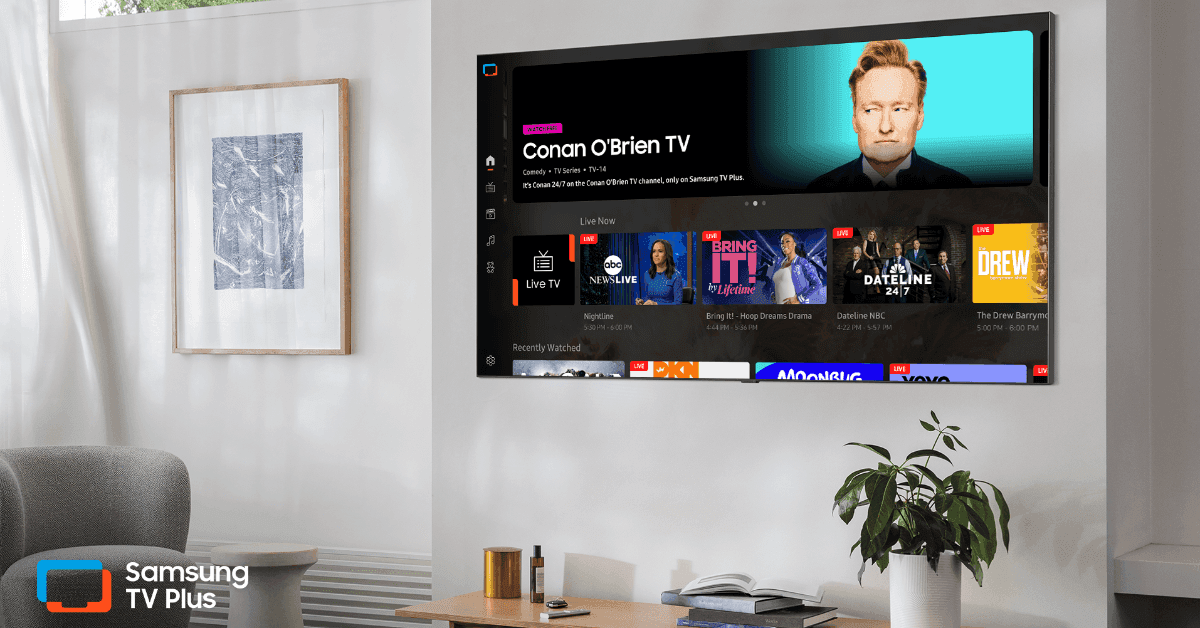
Samsung Ads reports that Free Ad-Supported Streaming Television (FAST) viewership grew 34% between 2022 and 2026, three times faster than subscription streaming services. The report highlights that ad-supported streaming now reaches 85% of U.S. households, with FAST services like Samsung TV Plus becoming a mainstream component of the television ecosystem. This growth positions FAST platforms as a significant advertising opportunity, offering scale and targeting capabilities.
Key Takeaways
- FAST viewership increased 34% from 2022 to 2026, compared to 10% for subscription streaming.
- Ad-supported streaming reaches 85% of U.S. households, with FAST becoming a daily viewing habit.
- Sports, reality programming, and news are the top FAST content genres, driven by live engagement.
- Samsung TV Plus viewers have a median household income of $104,000, attracting premium advertisers.
- Global FAST revenue is projected to grow from $8 billion in 2023 to $17 billion by 2029.
Why It Matters
The rapid ascent of FAST services, accelerating 3x faster than subscription video, signals a clear shift in consumer tolerance for ads in exchange for free content. This data from Samsung Ads validates the strategic pivot towards ad-supported models across the streaming landscape. With 85% U.S. household reach, FAST is now positioned as a direct competitor to traditional broadcast in terms of audience scale, offering targeted advertising capabilities linear TV lacks. The focus on live sports and news also suggests FAST platforms are replicating core linear TV functions. Watch for continued investment in premium and live content acquisitions by FAST providers seeking to attract higher-tier advertisers who value engaged, affluent audiences shown in this report.
Read full article at thedesk.net
Enjoy our coverage?
Add StreamingMeme as a preferred source on Google to see more of our streaming news at the top of your Search results.
Add as preferred source