

Court tests if AI training data summaries are products or speech
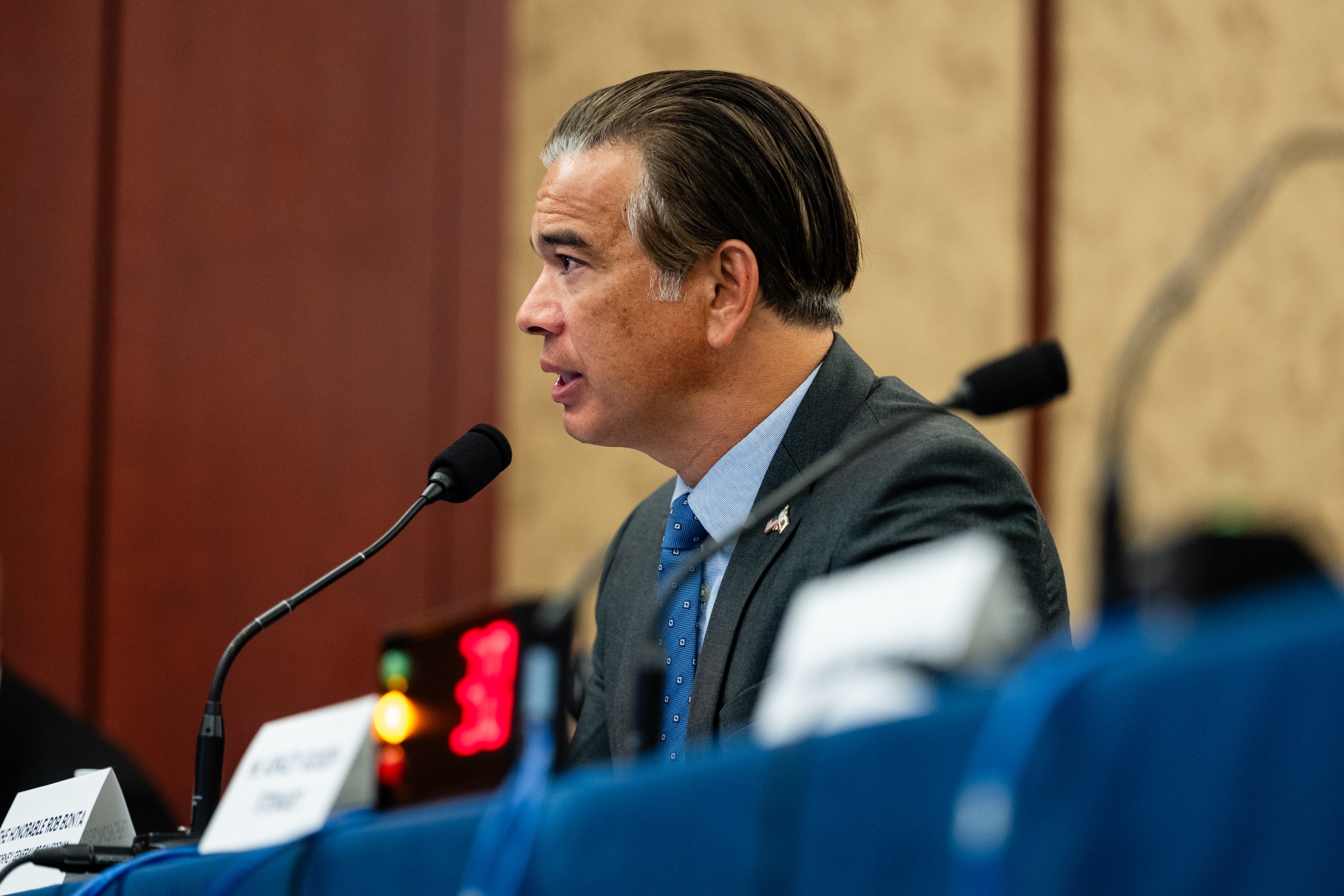
The Ninth Circuit Court of Appeals is hearing oral arguments in xAI LLC v. Bonta to determine the constitutionality of California's AB 2013, which mandates transparency disclosures for generative AI training datasets. The court’s ruling will establish a significant legal precedent for whether such transparency requirements constitute regulated commercial speech or protected, compelled expression for AI technology developers.
Key Takeaways
- California's AB 2013 requires AI developers to post high-level summaries of training data sources, including copyright and personal data status.
- The Ninth Circuit must decide if AI data disclosures are equivalent to food nutrition labels (commercial speech) or content moderation policies (protected expression).
- Elon Musk's xAI is the only major model developer to sue rather than comply; OpenAI and Anthropic have already published required documentation.
- A lower court previously denied xAI's preliminary injunction, finding that the company failed to prove the summaries would expose specific trade secrets.
Why It Matters
A ruling against California would jeopardize a growing wave of state-level AI regulations that rely on transparency mandates to manage safety and intellectual property risks. For the streaming and media ecosystem, this case is critical as AI companies increasingly train on copyrighted video and audio; if the Ninth Circuit classifies these summaries as protected speech, it would significantly hinder rights holders' ability to track where and how their content is being ingested into foundation models. Watch for the court to explicitly reference the 2024 X Corp. v. Bonta decision, which could limit transparency if the panel finds the disclosures infringe on the editorial discretion of AI developers.
Additional Context
The outcome of xAI LLC v. Bonta will directly influence a rapidly expanding patchwork of state AI laws. According to IAPP reporting from April 2026, xAI has already filed a similar complaint in Colorado to block the Colorado AI Act, citing many of the same First Amendment and trade secret arguments used in the California case. While Colorado’s legislature recently pivoted to narrow its original SB 24-205 regime into a more targeted transparency framework (SB 26-189), xAI continues to maintain that even high-level dataset summaries are 'trade-secrets-destroying' and provide competitors a roadmap to proprietary development strategies. These legal challenges come as other states move in the opposite direction. Per Transparency Coalition data from July 2026, New York is currently advancing A 6578, which mirrors California’s AB 2013 by requiring developers to post high-level training data summaries on their websites. Simultaneously, newer bills like California’s AB 412 are attempting to bridge the gap between transparency and copyright protection by specifically allowing rights holders to request detailed information regarding the use of their intellectual property in AI training sets. These converging legislative efforts would be effectively neutralized if the Ninth Circuit rules that training data summaries are essentially editorial stances rather than factual commercial information. The Ninth Circuit’s history with platform governance provides a fraught backdrop for this case. In September 2024, the court sided with the social media company in X Corp. v. Bonta (formerly Twitter), striking down portions of a law that required platforms to disclose their content moderation policies. The court ruled those reports compelled non-commercial speech on controversial topics. If the court views the source of AI training data—which often includes controversial web scrapes or protected media—through the same lens of editorial expression, it could establish a legal shield against transparency that would be difficult for state regulators to penetrate without passing strict scrutiny.
Read full article at techtimes.com
Get this in your inbox → Subscribe
Enjoy our coverage?
Add StreamingMeme as a preferred source on Google to see more of our streaming news at the top of your Search results.
Add as preferred source