

Brazil hits 57,000 5G antennas as market shifts to densification
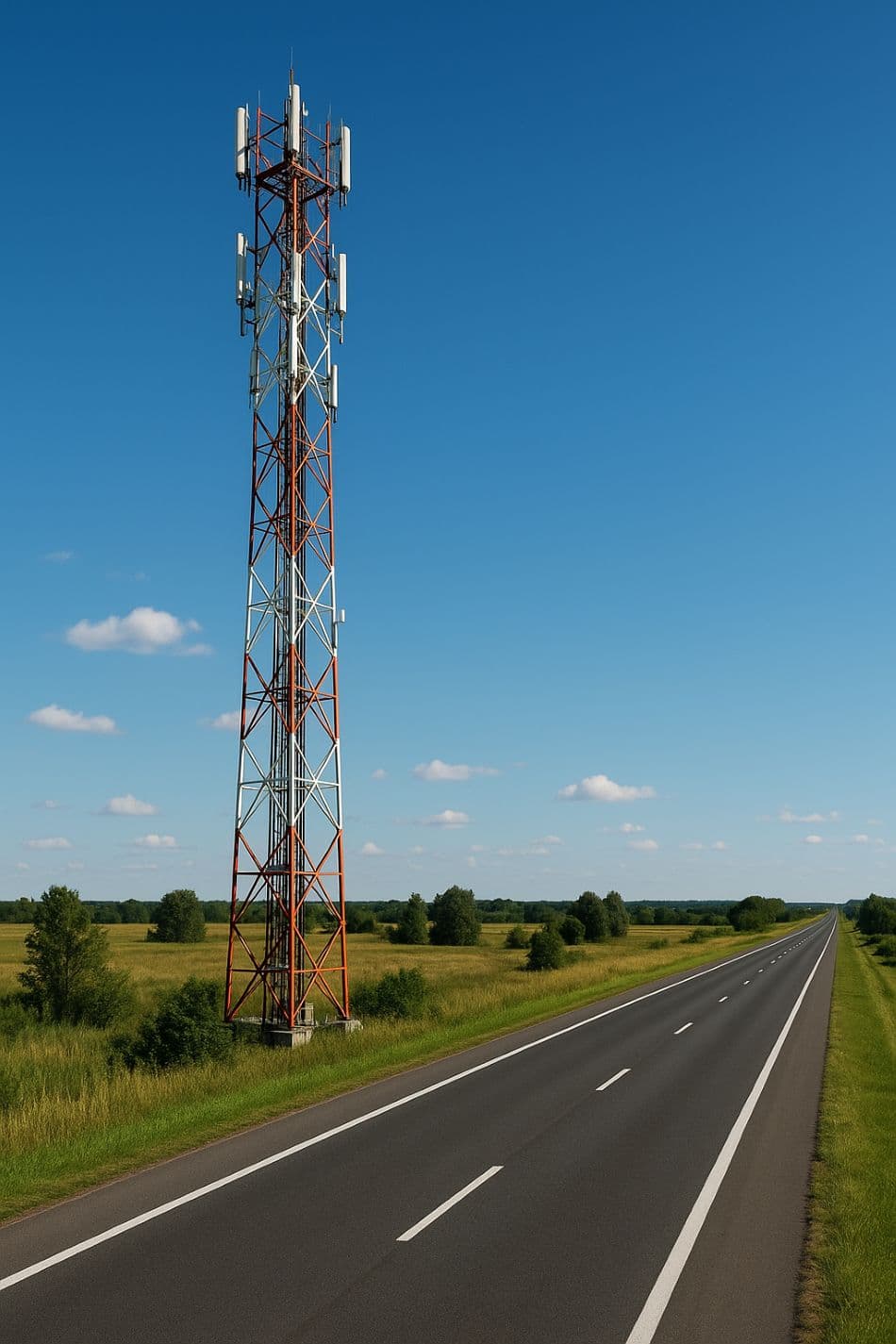
Brazil's 5G network deployment has reached over 57,000 antennas as the market shifts from rapid national expansion to targeted densification. The telecommunications infrastructure sector is currently undergoing significant consolidation and high churn among major tower companies as operators optimize their site requirements.
Key Takeaways
- Brazil averaged 1,168 accesses per 5G base station in May, a high ratio that risks network latency and performance degradation.
- Vivo leads the 5G infrastructure market with 21,263 base stations, followed by Claro with 17,166 and TIM with 16,038.
- American Tower expects 2026 to be a trough year for Brazil, projecting a 3% decline in regional tenant revenue due to high operator churn.
- Greenfield sites account for 18,773 installations, while small cells and indoor access still represent a fractional share of the total 5G park.
Why It Matters
The slowdown in site acquisition reflects a maturing 5G cycle where capital expenditure is pivoting from coverage mandates toward network quality. High churn at physical tower sites stems from operator consolidation, forcing infrastructure giants like American Tower and SBA Communications to renegotiate portfolios. For the streaming ecosystem, this densification phase is critical; without more small cells and indoor sites to lower the 1,168-user-per-antenna ratio, 5G's promise of low-latency 4K delivery will remain inconsistent in high-density areas. Watch for a rise in local debt issuance—already exceeding 4.8 billion reais since 2024—as tower companies finance the shift to these smaller, high-capacity urban structures.
Additional Context
Regulatory data and independent analysis confirm that Brazil’s 5G rollout has consistently outpaced official requirements. Per Anatel and Telesíntese (July 2026), 5G coverage reached nearly 65% of the Brazilian population by the end of 2025, surpassing the government's 2027 target of 57.67% two years ahead of schedule. As of July 2026, all 5,570 municipalities are legally eligible for 5G activation following the accelerated clearing of the 3.5 GHz band, which EAF completed 14 months early by removing satellite interference in the C-band.
Despite the rapid geographic spread, user experience remains varied. Per Opensignal (January 2026), Vivo maintains a lead in 5G download speeds, while TIM leads in network reliability and consistency. However, the market is currently grappling with a high device-to-antenna ratio that limits effective bandwidth during peak usage. To address this, operators are increasingly investing in standalone (SA) 5G networks, which are projected to grow at a CAGR of 42.6% through 2030, according to Grand View Research (July 2026).
Consolidation among tower providers is also intensifying as global firms rebalance their Latin American assets. In mid-2026, Macquarie Asset Management completed its acquisition of IHS Towers’ regional operations, adding approximately 8,590 Brazilian sites to its portfolio. Meanwhile, American Tower CFO Rod Smith noted during a July 2026 earnings call that while churn in Brazil remains a headwind for the current fiscal year, a recovery in organic growth is anticipated by 2027 as operators move past the initial integration phase of their consolidated spectrum holdings.
Read full article at bnamericas.com
Enjoy our coverage?
Add StreamingMeme as a preferred source on Google to see more of our streaming news at the top of your Search results.
Add as preferred source