

Airsys lobbies UK MPs to prioritize data center liquid cooling retrofits
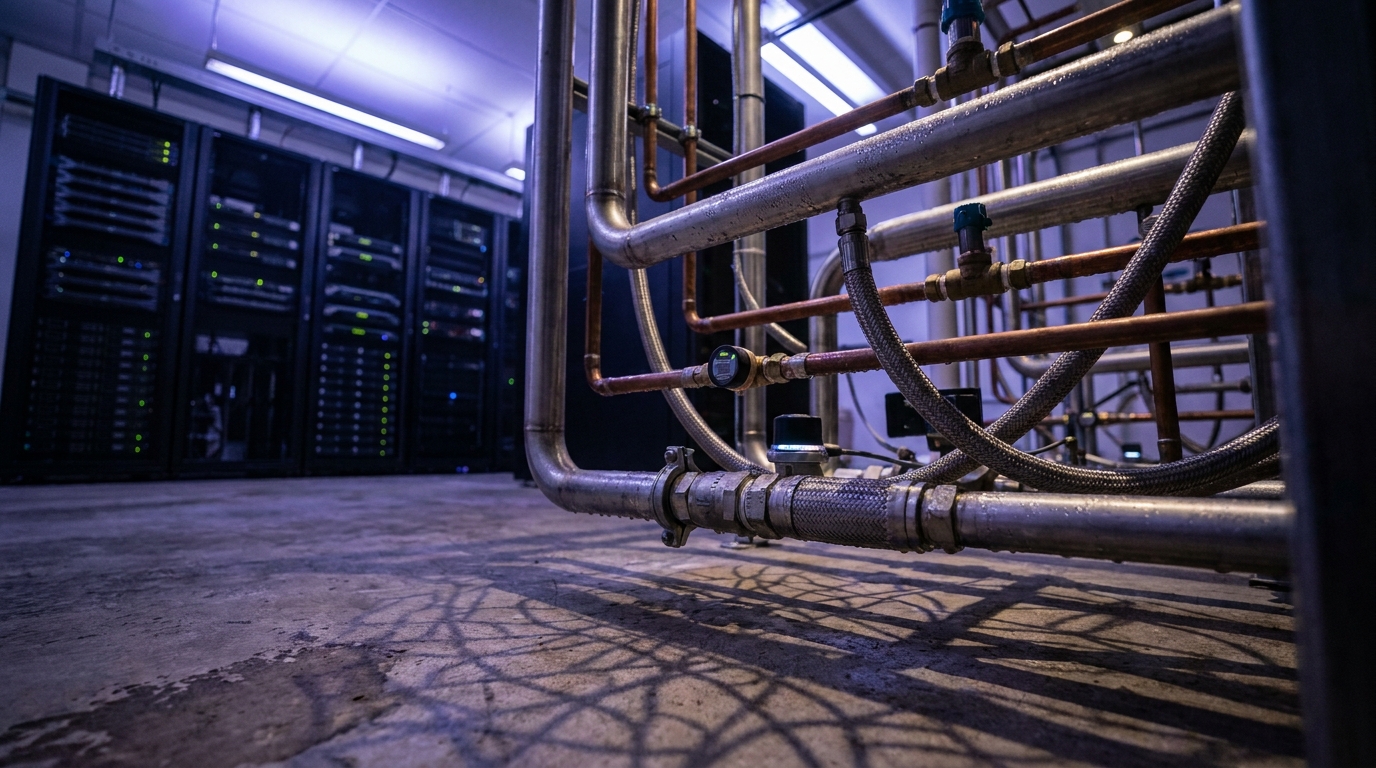
Cooling technology supplier Airsys is lobbying the UK government to prioritize retrofitting existing data centers with liquid cooling and new efficiency metrics over new construction. The company argues that these upgrades would allow operators to meet immediate AI computing demands while overcoming grid connection delays and regional latency challenges.
Key Takeaways
- Airsys proposed two new performance metrics: Power Compute Effectiveness and Return on Invested Power, to better measure compute output per watt.
- Liquid cooling retrofits are positioned as a solution to grid bottlenecks, as new site energization can take years longer than upgrading established power allocations.
- The firm warns that the government's focus on regional 'AI growth zones' may lead to latency issues for critical inference workloads.
- Proposed upgrades aim to increase compute density and reduce water consumption in legacy facilities through improved thermal management.
Why It Matters
The immediate implication is a shift in the infrastructure upgrade cycle, where legacy facilities must adopt high-density cooling to remain viable for AI workloads. Within the streaming ecosystem, these upgrades are critical for edge environments where low-latency inference is required for real-time personalization and ad insertion. As the UK grid remains constrained, the ability to extract more compute from existing power envelopes becomes a competitive necessity rather than a sustainability goal. Watch for whether the Data Centre All-Party Parliamentary Group incorporates 'Return on Invested Power' into its final policy recommendations in December 2026.
Additional Context
The call for retrofits comes amid severe infrastructure bottlenecks in the United Kingdom. Per HSF Kramer (July 2026), demand-side grid connection applications in Great Britain tripled to 125 GW between late 2024 and mid-2025, with data centers accounting for at least 73 GW of that pipeline. Ofgem has recently proposed a 'Data Centre Commitment Fee' of up to £712,500 per MW to deter speculative applications that currently clog the queue. This backlog has created a stark timeline disparity: while a data center can be constructed in months, securing a high-voltage grid connection can now take up to a decade, with some projects facing wait times until 2035. From a cost perspective, the incentive to upgrade existing sites is significant. According to STL Partners (May 2026), a liquid cooling retrofit costs approximately $2 million per MW, compared to upwards of $11 million per MW for greenfield liquid-cooled capacity. This price gap is driving hyperscalers to reconsider their deployment strategies. Microsoft, for instance, has reportedly faced delays on a £2.5 billion UK investment plan due to these systemic power constraints, as reported by Crypto Briefing (July 2026). As AI rack densities move toward 200kW+, air-cooling hits a physical threshold at roughly 40kW, making the transition to liquid cooling an operational imperative for operators holding valuable, already-energized urban real estate.
Read full article at itbrief.co.uk
Get this in your inbox → Subscribe
Enjoy our coverage?
Add StreamingMeme as a preferred source on Google to see more of our streaming news at the top of your Search results.
Add as preferred source