

VITEC and LG leverage private 5G to eliminate IPTV cabling
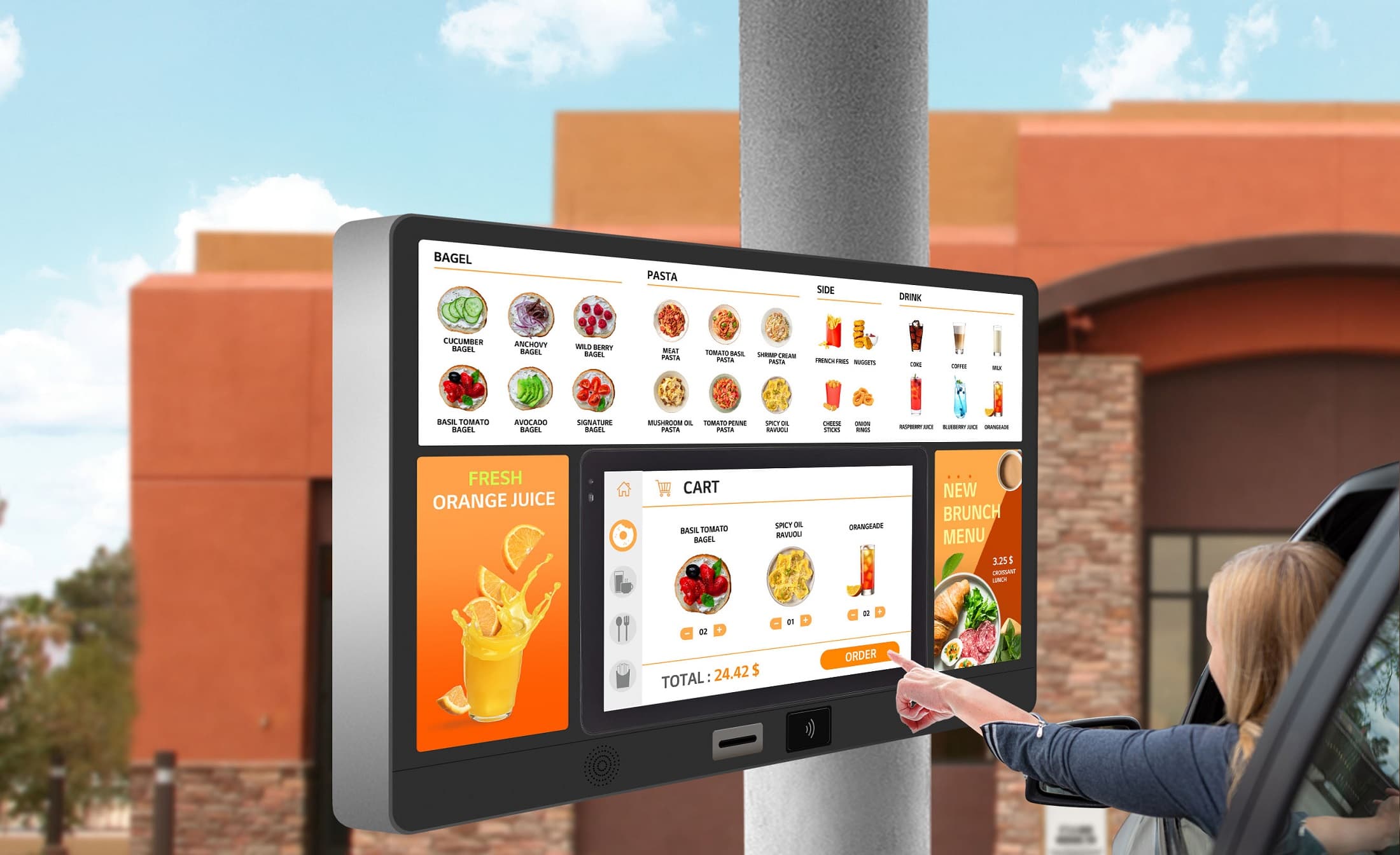
VITEC and LG have announced a partnership to deliver IPTV services over private 5G networks, a collaboration revealed at InfoComm 2024. This initiative aims to provide secure, low-latency live video streaming tailored for enterprise, government, and venue applications. The partnership leverages 5G technology to enhance video delivery within private networks.
Key Takeaways
- Integrated solution replaces physical cabling with private 5G for IPTV and digital signage deployments in stadiums, airports, and hotels
- Uses LG’s software-defined 5G core and distributed antennas for consistent, low-latency video performance
- Supports flexible, temporary, or portable screen installations where traditional Ethernet infrastructure is unavailable or cost-prohibitive
- Leverages licensed spectrum to provide a more predictable and secure wireless environment than shared Wi-Fi networks
Why It Matters
This partnership signals a shift in enterprise video architecture toward 5G as a primary delivery layer rather than just a backhaul option. By removing the 'cabling tax,' venues can dynamically reconfigure digital displays and live feeds, dramatically lowering the CAPEX of facility-wide IPTV. For the broader ecosystem, it demonstrates that private 5G is moving from industrial IoT trials into mission-critical media distribution, directly challenging Wi-Fi 7 in high-density environments. Look for adoption rates in sports arenas and convention centers as a primary indicator of whether private 5G can scale as a cost-effective alternative to Tier 1 wired infrastructure.
Additional Context
The enterprise move toward private cellular is accelerating as organizations shift from pilot programs to production-grade infrastructure. Per IoT analyst firm Berg Insight in June 2026, there were 6,500 private LTE/5G networks deployed globally at the end of 2025—a market valued at approximately $2.4 billion. This surge is driven by 'organic demand' from end users who require the deterministic performance and security that licensed spectrum provides, particularly as mission-critical workflows move to the edge. For video providers like VITEC, this infrastructure pivot is timely; reports from Grand View Research in early 2026 indicate that enterprise video growth is placing unprecedented pressure on legacy network models, necessitating more scalable, high-definition architectures.
LG Electronics has positioned itself as a central player in this transition, having recently transitioned its internal manufacturing expertise into a commercial offering. In September 2024, LG became the first company in its sector to receive a domestic network equipment certification in South Korea for its self-developed 5G private network solution. This software-centric approach allows for faster data processing and the ability to upgrade network functions without hardware replacement, a key selling point for the venue-based IPTV applications now being demonstrated with VITEC.
Technically, the industry is entering the 5G-Advanced era, based on 3GPP Release 18. According to reports from Anvil Mobile in 2026, this phase prioritizes uplink performance and reliability, which are critical for real-time video collaboration and high-density streaming. While Wi-Fi 7 remains the standard for general enterprise access, private 5G is increasingly favored for 'deterministic' zones—such as smart ports, hospitals, and now large-scale stadiums—where signal dropouts and jitter cannot be tolerated.
Read full article at installation-international.com
Enjoy our coverage?
Add StreamingMeme as a preferred source on Google to see more of our streaming news at the top of your Search results.
Add as preferred source