

Virtual production supervisor outlines necessary staff roles for LED volumes
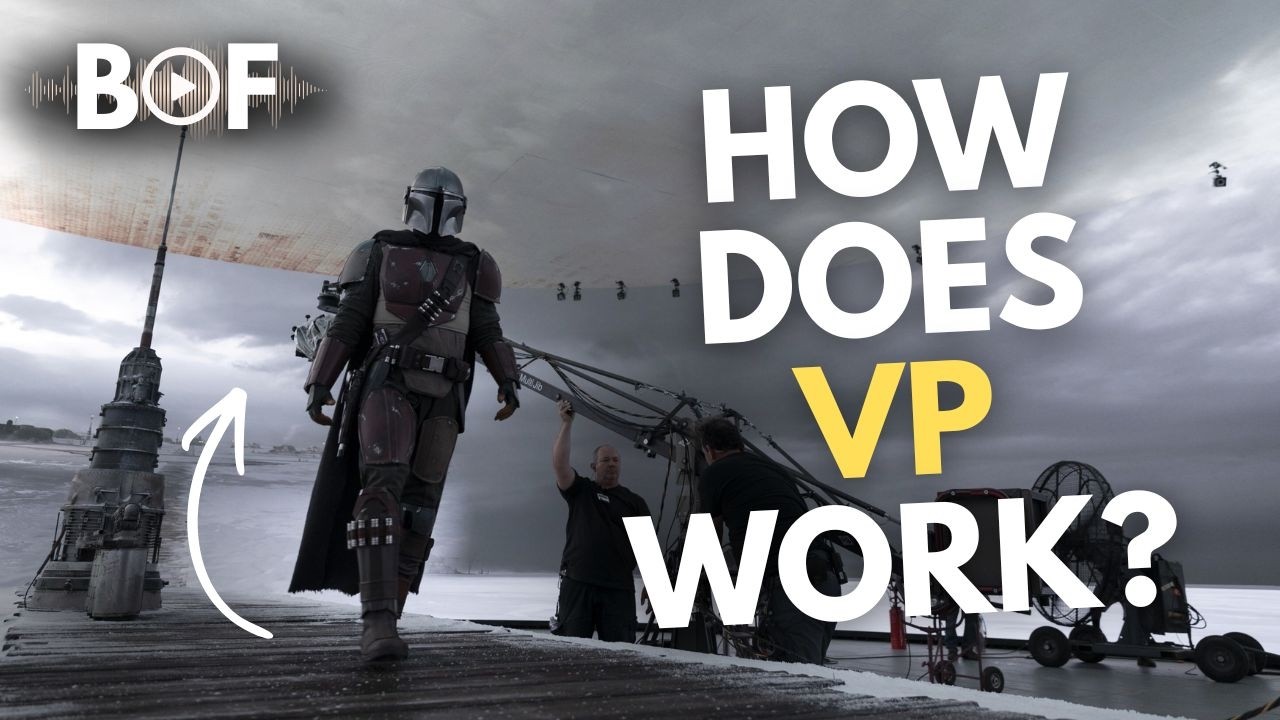
Virtual production supervisor Justin Cathcart outlines the technical operations and team structure required for managing LED volume shoots. The process involves real-time camera tracking, Unreal Engine integration, and separate 2D playback systems to maintain accurate parallax and reflections.
Key Takeaways
- A typical core virtual production team consists of four to five people, including an engine operator, technical director, and supervisor.
- Real-time camera trackers are mounted on cinema cameras to sync digital background movement with physical lens positioning.
- Technical teams maintain separate hardware systems for 3D Unreal Engine environments and 2D video playback to ensure playback stability.
- The total on-set footprint for virtual production usually scales to eight people when including studio operations staff.
Why It Matters
The shift toward LED volumes requires a specialized labor force that bridges the gap between traditional cinematography and real-time game engine development. By defining these roles, productions can more accurately budget for the technical overhead of virtual environments, which reduce post-production costs but increase specialized day rates on set. As Unreal Engine becomes a standard infrastructure component in streaming production, the industry must address the current shortage of technical directors capable of managing real-time parallax on high-stakes shoots. Watch for the emergence of standardized job descriptions and certification programs from major studios to stabilize this talent market.
Additional Context
The demand for specialized virtual production talent has intensified as major studios transition from pilot projects to full-scale volume reliance. Per Hollywood Reporter, June 2026, the global count of active LED volumes has surpassed 600, a significant increase from the roughly 160 facilities tracked in 2022. This rapid infrastructure growth has outpaced the available pool of qualified Unreal Engine operators, leading to a 15% increase in day rates for technical directors over the last twelve months. Disney and Sony have specifically invested in internal training academies to secure their production pipelines against these labor shortages. Technological refinements are also reshaping the 'brain bar' responsibilities Cathcart describes. According to a July 2026 report from Variety, new AI-driven calibration tools are beginning to automate the alignment of LED panels and camera tracking, which may eventually reduce the headcount required for basic setups. However, high-end productions like those in the Star Wars and Marvel franchises continue to expand their on-set technical teams to manage the increasing complexity of lighting integration. In May 2026, Epic Games released Unreal Engine 5.5, which included specific optimizations for multicamera virtual production, further cementing the software's role as the backbone of modern streaming content creation.
Read full article at youtube.com
Get this in your inbox → Subscribe
Enjoy our coverage?
Add StreamingMeme as a preferred source on Google to see more of our streaming news at the top of your Search results.
Add as preferred source