

Vionlabs uses emotion-aware AI to verticalize long-form streaming libraries
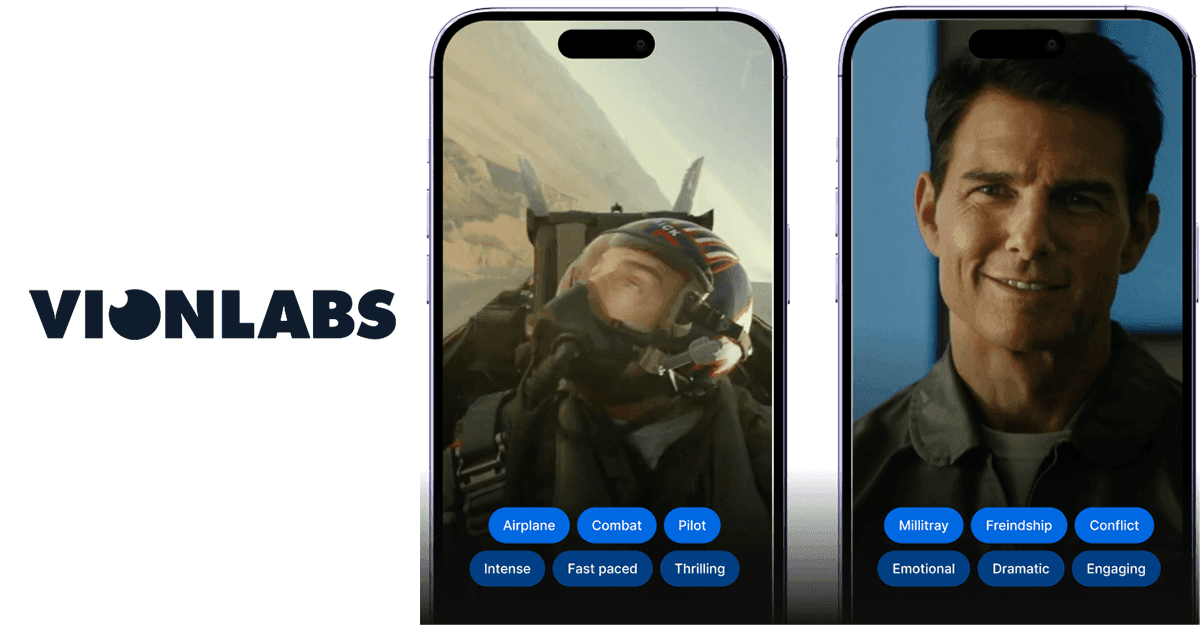
Vionlabs' Arash Pendari discusses how their "emotion-aware" AI platform helps streaming platforms verticalize long-form content, creating chapters and micro-episodes for mobile-first consumption. This technology aims to make large content libraries more discoverable and adaptable to new viewing behaviors, improving engagement and monetization for clients like Paramount and Hulu. The article highlights the importance of human-in-the-loop quality control and the AI's ability to understand narrative structure beyond simple visual analysis.
Key Takeaways
- AI platform analyzes visual, audio, and narrative cues simultaneously to understand scene function—such as building tension or resolving conflict—beyond basic face tracking.
- Integrated human-in-the-loop workflow flags low-confidence scenes for manual review to ensure editorial quality in complex group shots or unconventional framing.
- The technology enables non-intrusive ad breaks by utilizing scene-level metadata for contextual targeting across varied production eras and genres.
- Major partners include Paramount, Hulu, Plex, and Pluto TV, with the platform processing libraries in 99-plus languages for clients like Deutsche Telekom.
Why It Matters
Broadcasters and streamers are racing to monetize dormant libraries in a mobile-first environment. By automating the verticalization of 16:9 content, Vionlabs reduces the cost and technical barriers to entry for the rapidly growing micro-drama and social video segments. This transition moves vertical video from a promotional marketing tool to a core playback format. Success now hinges on narrative intelligence; platforms that can accurately reframe content without losing its emotional impact will better capture short-form engagement and higher CPMs through contextual ads. Watch for the emergence of "remake" vertical series from legacy IP as major studios move beyond simple trailers toward serialized vertical drama.
Additional Context
The strategic pivot toward vertical content comes as the global micro-drama market experiences explosive revenue growth. Per Omdia, in April 2025, leading apps DramaBox and ReelShort saw their annual app store revenues surge to $217 million and $214 million respectively, signaling a nearly 4x market expansion in a single year. While the phenomenon originated in China, the U.S. has emerged as the most lucrative territory, with Media Partners Asia reporting in September 2025 that U.S. micro-drama revenues reached $819 million in 2024 and are projected to hit $3.8 billion by 2030.
Legacy media giants are already moving to capture this audience. In October 2025, per Fox Corporation, Fox Entertainment acquired an equity stake in vertical platform Holywater and committed to producing more than 200 original vertical series over two years, including titles shot in Atlanta. This move exemplifies a broader trend where traditional studios utilize existing IP to create vertical storytelling extensions. Furthermore, Disney signaled its interest in the format by including DramaBox in its 2025 Disney Accelerator class—one of only four companies selected.
Technical infrastructure is also evolving to support this scale. Vionlabs' recent partnerships, such as an April 2025 deal with Zeam Media for AI-driven discovery and a December 2025 agreement with IVORY to expand into France and Benelux, highlight the growing demand for automated video understanding at a global level. As production costs for vertical dramas remain relatively low—often under $300,000 per 60-episode series according to industry reports—the primary barrier to entry has shifted from filming to intelligent distribution and library management.
Read full article at streamingmedia.com
Enjoy our coverage?
Add StreamingMeme as a preferred source on Google to see more of our streaming news at the top of your Search results.
Add as preferred source