

Runway uses model distillation to slash real-time video latency by 90%
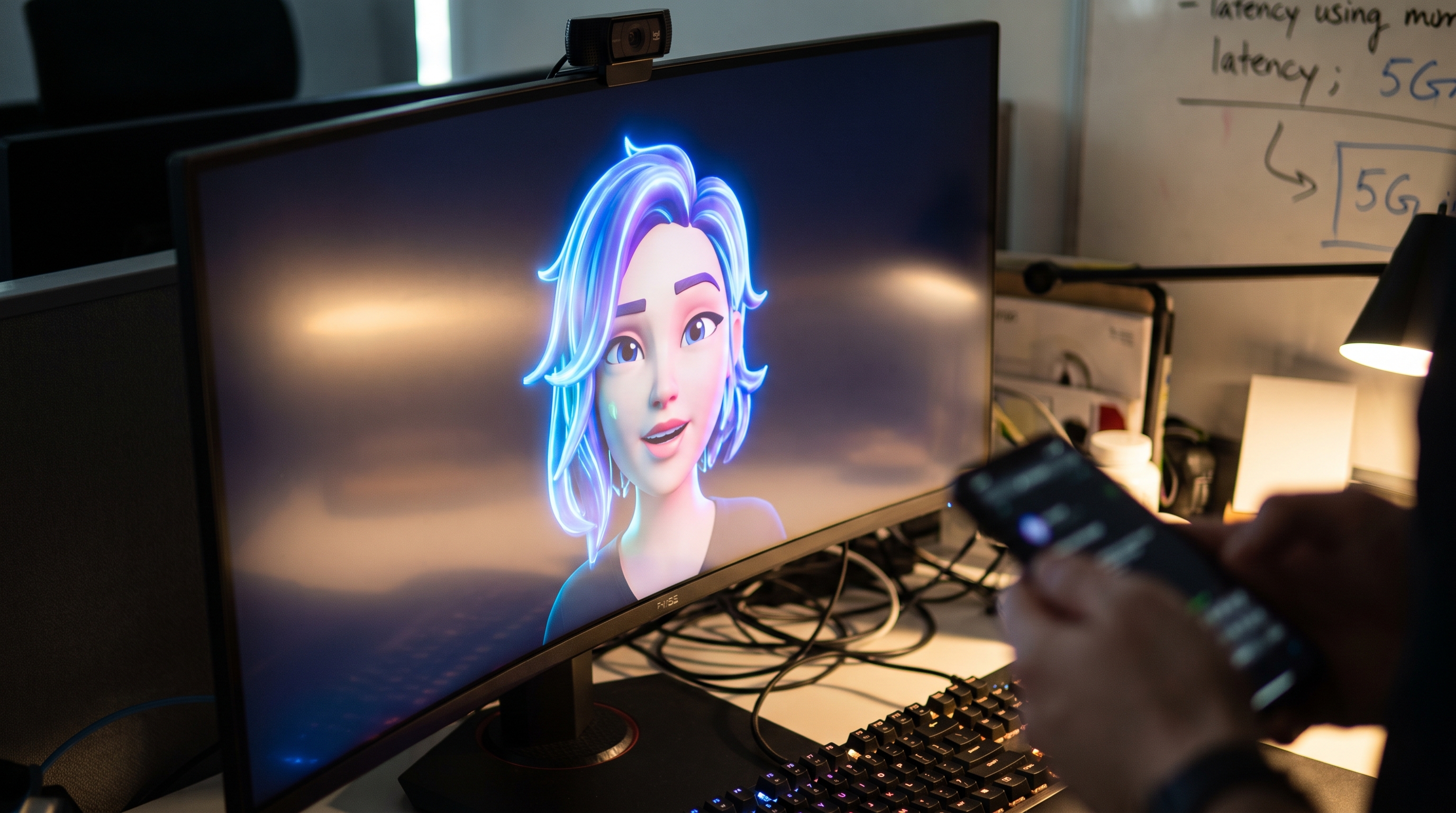
At VB Transform 2026, Runway executive Ryan Phillips explained how the company uses model distillation and adversarial post-training to enable real-time generative video. The company also detailed how it overcomes technical limitations such as character drift by implementing front-end UX features and using advanced observability to manage infrastructure performance.
Key Takeaways
- Distillation of large foundation models into smaller 'student' models reduced generation time by 80-90%.
- Adversarial post-training (APT) was implemented to restore visual sharpness lost during the distillation process.
- Runway replaced complex back-end fixes for character drift with a 'feature' that auto-centers user images before generation.
- Hardware-level failures in the us-east-1 region were identified and resolved using Claude-powered AI agents for observability.
Why It Matters
The move from batch-processed video to real-time interactive avatars shifts generative AI from a creative tool to a viable B2B interface layer. By prioritizing UX workarounds for non-deterministic model 'bugs,' Runway is signaling a departure from the perfectionist research-only phase of AI toward pragmatic, market-ready stability. For the streaming ecosystem, this transition validates the use of optimized 'student' models for edge-latent applications like AI-led customer support or personalized avatars. Watch for whether hardware partnerships, like Runway's work with Nvidia, can overcome the 16 FPS performance floor that still plagues roughly 8% of early API calls.
Additional Context
The push for real-time generative video comes as the competitive landscape for mid-2026 solidifies around directorial control and performance. Per industry reports from June 2026, Runway has transitioned its flagship efforts to the Gen-4.5 architecture, which introduced a 'References' system to address long-standing temporal consistency issues that initially surfaced in Gen-3 Alpha. While Gen-3 Alpha Turbo remains a widely used faster alternative, it faces mounting pressure from Google’s Veo 3.1, which reportedly surpassed Runway in raw photorealism for naturalistic shots in mid-2026. Infrastructure has become the primary bottleneck for these models. According to Nvidia reports from January 2026, the industry is shifting toward PC-class small language models (SLMs) and local RTX-accelerated pipelines to mitigate the drop-off in frames per second common in cloud-only deployments. This aligns with Runway's reported struggles in data centers like us-east-1, where physical GPU failure caused performance to dip to 16 FPS. Simultaneously, the collapse of OpenAI’s Sora brand — which was discontinued in April 2026 in favor of a new model dubbed 'Spud' — has left a vacuum in the high-end consumer market. Per Wikipedia and 404 Media updates, Sora’s failure to maintain precise control led to a strategic exit from standalone app experiences, further positioning Runway’s 'Director’s Suite' as the standard for professional B2B creative workflows. As Luma Labs’ Dream Machine captures market share through cinematic fluidity, Runway’s focus on 'applied AI research' emphasizes turning model limitations into features to maintain its professional lead.
Read full article at venturebeat.com
Get this in your inbox → Subscribe
Enjoy our coverage?
Add StreamingMeme as a preferred source on Google to see more of our streaming news at the top of your Search results.
Add as preferred source