

Valve overhauls SteamVR dashboard as Steam Frame hardware launch nears
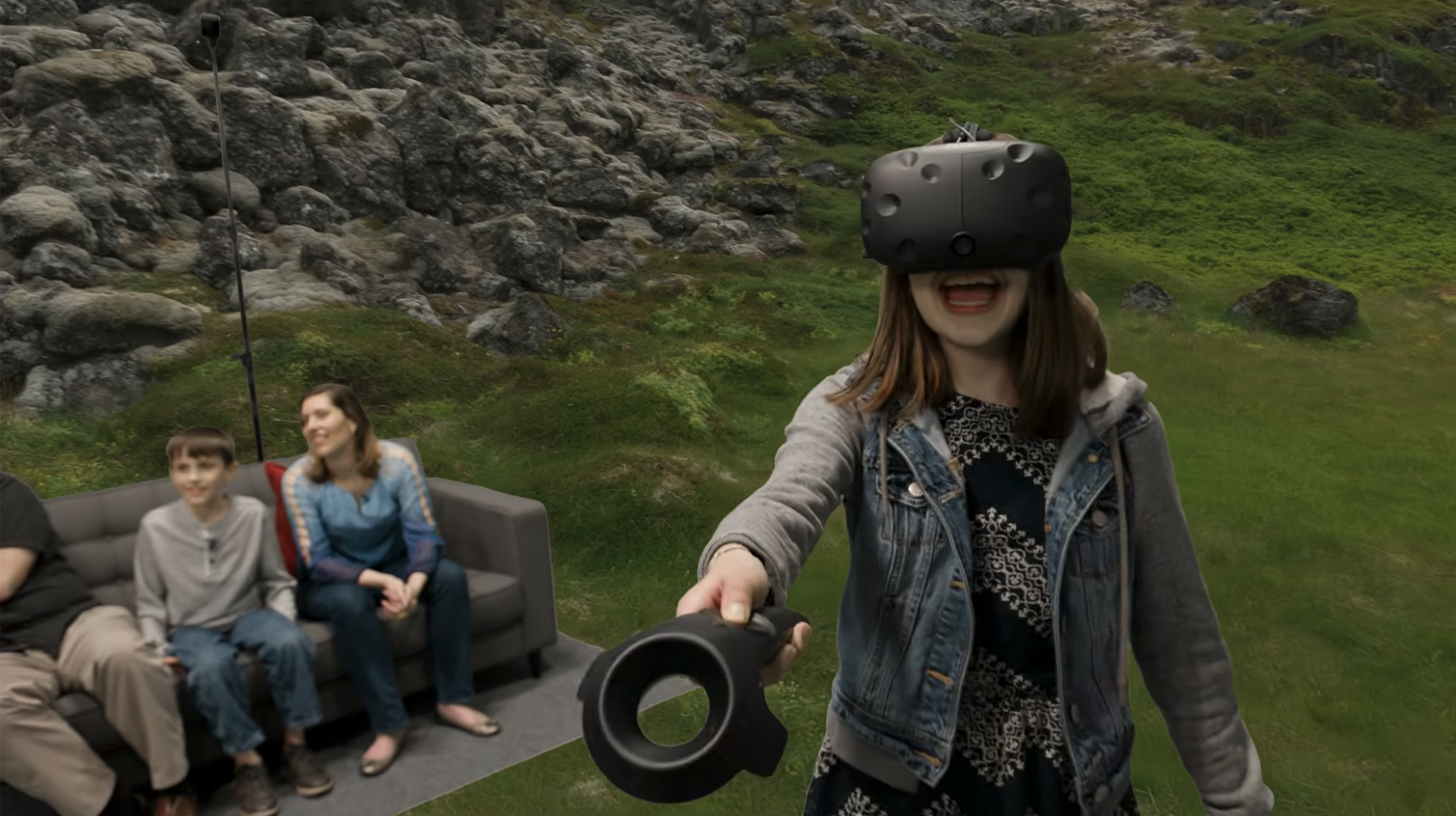
Valve has detailed the technical specifications and software architecture of its upcoming Steam Frame VR headset, which relies on a Snapdragon 8 Gen 3 chipset and a custom foveated streaming encoder. The device focuses on wireless PC-to-headset streaming and leverages the FEX-Emu translation layer to support x86 PC games on ARM64 architecture.
Key Takeaways
- SteamVR Beta 2.17.4 introduces a redesigned dashboard with battery readouts, brightness settings, and unified overlay management.
- Steam Frame uses the FEX-Emu translation layer within Proton to run x86-64 PC games on ARM64 mobile architecture.
- Hardware specifications include dual 2160×2160 LCD panels, pancake lenses, and a 110-degree field of view with up to 144Hz refresh rates.
- The 185g optical core utilizes eye-tracking for foveated streaming, increasing encoder bitrate specifically in the user's focus region.
Why It Matters
The dashboard redesign signals that Valve is shifting from technical development to consumer-ready software parity between its handheld and VR ecosystems. By utilizing the Snapdragon 8 Gen 3 and FEX-Emu translation, Valve is attempting to solve the content gap that has long hindered standalone VR, effectively turning nearly the entire Steam library into mobile-compatible content without developer intervention. This full-stack control allows Valve to bypass traditional mobile hardware limitations, though the exclusion of kernel-level anti-cheat remains a significant barrier for competitive multiplayer streaming. Watch for the official reservation window, as roughly 35 tons of VR inventory reportedly arrived in U.S. warehouses in June 2026.
Additional Context
The rollout of SteamVR 2.17.4 follows a strategic pivot by Valve to standardize the SteamOS experience across its hardware portfolio. Per VR.org in July 2026, the device is entering a market where logistics are final; approximately 32,000 kg of hardware cleared U.S. customs in June 2026, coinciding with the lifting of FCC embargoes on the 'Roy' motion controllers. This inventory build-up suggests a distribution model similar to the Steam Machine, which shipped on June 30, 2026, via a randomized reservation lottery to manage high demand and component supply constraints. Technically, the Steam Frame’s reliance on FEX-Emu represents a major investment in the ARM architecture. Per XDA-Developers in April 2026, Valve has spent years maturing the FEX-Emu translation layer to ensure that the host operating system 'disappears' for the player, much as Proton did for Linux gaming. While Apple’s Rosetta 2 proved the feasibility of high-performance instruction translation for general computing, Valve’s integration specifically targets gaming workloads. Research from arXiv in September 2025 noted that the Snapdragon 8 Gen 3 provides roughly 1.5 to 2 times the CPU and GPU performance of the older XR2 Gen 2 found in the Meta Quest 3, providing the necessary overhead for this intensive real-time translation. Simultaneously, Valve's 'Lepton' runtime—a fork of Waydroid—enables an Android Open Source Project environment to support existing mobile VR titles. This move directly challenges Meta’s software dominance by allowing developers to port Quest-native APKs to the Steam store with minimal friction. However, industry analysis from TechTimes in July 2025 highlights that the translation stack cannot bridge ring-zero kernel protections, meaning high-profile titles using Riot Vanguard or EA Javelin will remain unsupported, potentially dividing the user base between casual and competitive players.
Read full article at techtimes.com
Get this in your inbox → Subscribe
Enjoy our coverage?
Add StreamingMeme as a preferred source on Google to see more of our streaming news at the top of your Search results.
Add as preferred source