
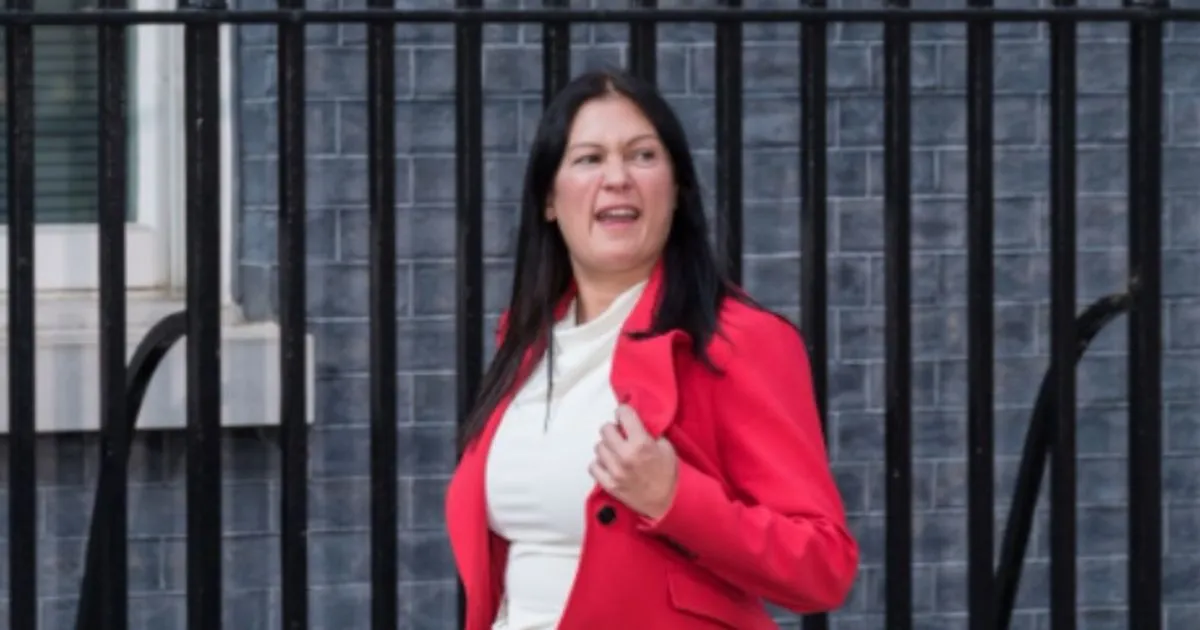
The UK government has launched a consultation to transition audiences from Digital Terrestrial Television (DTT) to internet-delivered television (IPTV). Culture Secretary Lisa Nandy stated the move aims to repurpose radio spectrum while providing support to ensure universal access to public service media.
A transition to internet-only television marks a decisive shift away from late-20th-century broadcast infrastructure toward a unified IPTV ecosystem. For stakeholders, this move aims to eliminate the high costs of supporting dual-delivery systems and liberate valuable radio spectrum for next-generation mobile technologies. However, the plan faces significant headwinds from rural advocacy groups concerned about broadband reliability and hardware costs for low-income segments. The success of this policy hinges on whether the government can mirror the high reliability of DTT within a fragmented ISP landscape. Watch for the consultation results due later this year, which will finalize the target switch-off date.
The 'Watch this Space' Green Paper, published in June 2026, builds on a May 2024 Ofcom report that warned of an economic 'tipping point' where maintaining DTT would become unsustainable as viewership declines. Per Everyone TV, the operator owned by the UK’s public service broadcasters, the transition is already gaining momentum through the Freely streaming platform. Freely surpassed 1 million weekly users by early 2026 and is currently projected to reach 10.5 million households by 2034. Everyone TV reported in June 2026 that 84% of UK households now connect their televisions to the internet, up from 66% in 2020.
Despite the growth of IPTV, technical and demographic hurdles remain. Independent forecasts from 3 Reasons, cited by industry outlets in June 2026, suggest that while the number of households without broadband will drop to 220,000 by 2034, nearly one million homes may still rely on DTT if forced to switch early. Public service broadcasters like the BBC have advocated for a mid-2030s exit to consolidate distribution spending, while groups like the Countryside Alliance have raised concerns that rural connectivity remains too inconsistent to support an internet-only model without disenfranchising vulnerable residents.
Add StreamingMeme as a preferred source on Google to see more of our streaming news at the top of your Search results.
Add as preferred source