
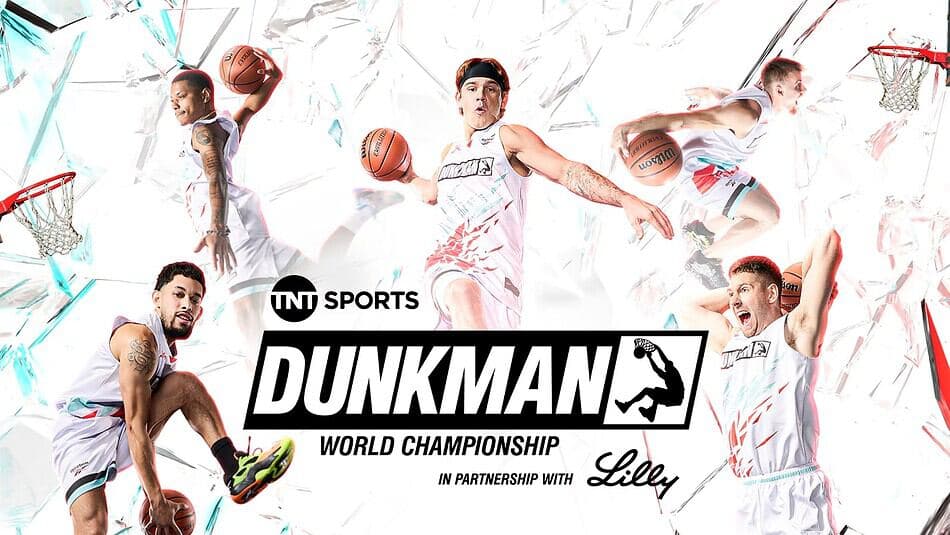
TNT Sports launched the DUNKMAN professional dunking league using a high-end production setup featuring 1080p HDR cameras, EVS Extra Motion, and an Owl AI computer vision system to capture real-time performance analytics. The production is managed onsite in Atlanta using a complex array of specialized cameras, POV sensors, and integrated graphics to provide data-driven storytelling for live broadcasts.
This production signals a shift toward incorporating computer vision data directly into the competitive scoring and storytelling of niche sports. By utilizing Owl AI for real-time dunk metrics, TNT Sports is moving beyond traditional eye-test judging toward a data-driven broadcast model that mirrors performance analytics in the NBA and NFL. For the broader ecosystem, this illustrates how mid-tier sporting events can leverage AI-assisted production tools to provide high-end visuals and transparent judging. Watch for whether these automated scoring integrations migrate to major league broadcasts like the NBA Slam Dunk Contest in 2027.
The DUNKMAN rollout arrives as TNT Sports' parent company, Warner Bros. Discovery (WBD), aggressively expands its portfolio of owned sports properties. Per various reports in early 2026, WBD has prioritized high-intensity, short-form content to bolster its HBO Max (now Max) sports tier following changes to its traditional NBA broadcast package. Partnering with Shaquille O’Neal and Authentic Brands Group underscores a strategy to capture social-friendly, viral-ready athletic content that appeals to younger demographics. The league serves as a commercial bridge for sponsors; for instance, Eli Lilly signed as a founding partner during the league's announcement in April 2026.
Technologically, the use of Owl AI reflects the company's rapid growth as a specialized computer vision layer for live events. According to Sports Business Journal in May 2026, Owl AI—founded by X Games CEO Jeremy Bloom—has secured similar agreements with Major League Pickleball and SuperMotocross. Its software-based model ingests standard camera feeds to track objects and players without requiring expensive wearable sensors. This lowers the hardware barrier for data-driven broadcasts, allowing leagues to generate analytics like player speed and ball trajectory at much lower costs than previous generations of optical tracking systems like Second Spectrum.
Furthermore, the integration of EVS Extra Motion highlights a growing industry reliance on AI for super-slow-motion and image deblurring. Per EVS in March 2026, the tool uses generative AI to insert artificial frames into standard footage, providing high-frame-rate aesthetics from any broadcast camera. This technology is increasingly critical for fast-paced events where traditional high-speed cameras are logistically difficult to position. By combining these edge AI tools with traditional 1080p HDR workflows, broadcasters are able to maintain 'big league' production values on localized budgets.
Add StreamingMeme as a preferred source on Google to see more of our streaming news at the top of your Search results.
Add as preferred source