

Three-year benchmark shows RTX 3060 12GB beating 4060 at 4K
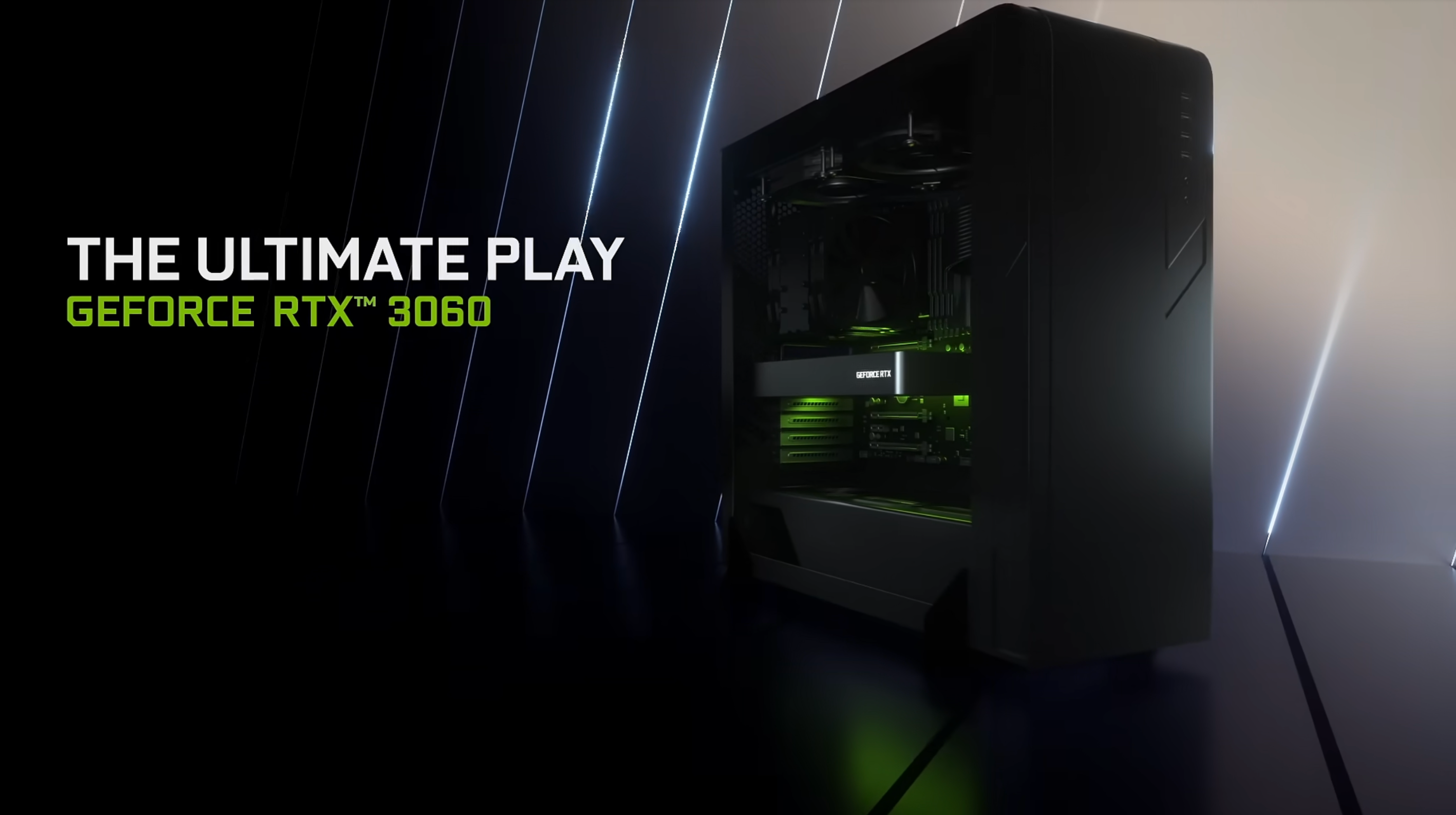
Recent benchmark analysis reveals that graphics cards with higher VRAM capacities, such as the Nvidia RTX 3060 12GB, now outperform newer 8GB models in 4K resolution and memory-intensive workflows. This performance shift creates cost concerns for content creators and streaming infrastructure managers as modern rendering engines and local AI inference tasks place increasing pressure on VRAM hardware specifications.
Key Takeaways
- RTX 3060's 12GB VRAM allows it to reach higher rasterization output at 4K than the RTX 4060 (97.2%) and RX 7600 (94.9%).
- At 1440p, the RTX 4060's performance lead over the 3060 has collapsed from 19.4% in 2023 to just 8.5% today.
- Nvidia reportedly raised GPU kit prices in July 2026 for both GDDR7 and GDDR6 models, citing high memory costs.
- Local AI inference for 14B parameter models requires 9GB of VRAM, making the RTX 3060 viable where 8GB cards fail.
- Nvidia restarted GA106 production on Samsung's 8nm node to bypass TSMC capacity constraints and address shortages.
Why It Matters
The resurgence of the RTX 3060 signals a critical misalignment between architectural cycles and software demands. For streaming infrastructure and production workflows, raw shader clock speeds are now secondary to memory capacity as Unreal Engine 5 features like Nanite and Lumen saturate smaller buffers. This forces a strategic trade-off: newer cards offer AV1 encoding and AI frame generation, but older high-VRAM silicon provides better frame-time consistency in high-resolution rendering. As Nvidia faces reports of high GDDR7 costs and entry-level Blackwell delays, the industry must track whether hardware vendors will finally move beyond the 8GB floor or continue prioritizing AI-grade HBM margins over consumer-grade memory density.
Additional Context
The strategic reintroduction of the RTX 3060 appears motivated by global supply chain volatility and regulatory shifts. Per TrendForce and Hankyung (March 2026), Nvidia tasked Samsung with restarting its 8nm DUV production lines for the Ampere-era GA106 die to bypass capacity constraints on TSMC’s 4N node, which is currently dedicated to high-margin Blackwell and Hopper chips. This move also functions as a workaround for U.S. export restrictions on high-performance AI semiconductors to China; by reviving legacy gaming silicon, Nvidia can serve restricted markets with hardware that remains capable of local AI inference due to its 12GB buffer. Simultaneously, the GPU market is facing significant retail price pressure driven by the 'GDDR7 crisis.' Reports from VideoCardz and TechPowerUp (July 2026) indicate that high-density 3GB GDDR7 modules now cost between $60 and $70 per unit—roughly three times the price of standard 2GB modules. This cost differential has reportedly forced Nvidia to postpone its RTX 50 SUPER refresh indefinitely, as the increased BOM would push mid-range MSRPs toward enthusiast levels. With average GPU prices already climbing 20% to 30% over the past year per TechPowerUp, the lack of new budget competition suggests that legacy hardware will remain a fixture in the market longer than typical architectural cycles would dictate. Further complicating the roadmap, the entry-level Blackwell desktop tier is in flux. According to leaked reports from AIB partners in late June 2026, the RTX 5050 9GB has been either canceled or permanently delayed. This leaves a massive void in the sub-$350 segment that neither the current-gen 8GB cards nor the high-cost GDDR7 newcomers can adequately fill. Consequently, memory capacity has become the primary metric for competitive longevity, a trend reinforced by benchmarks showing 16GB is now the recommended floor for native 4K rendering in major 2026 releases.
Read full article at techtimes.com
Get this in your inbox → Subscribe
Enjoy our coverage?
Add StreamingMeme as a preferred source on Google to see more of our streaming news at the top of your Search results.
Add as preferred source