

TeamViewer uses Microsoft’s AI to sharpen remote video feeds
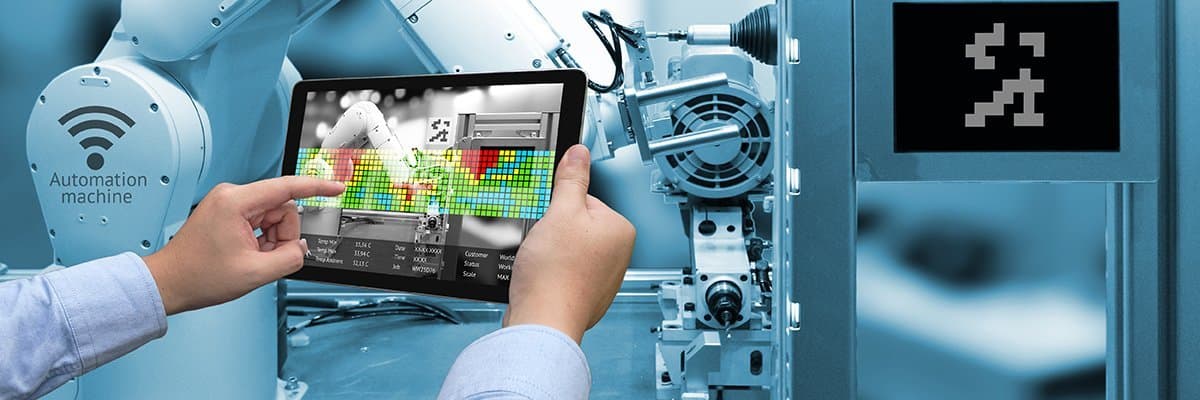
TeamViewer has partnered with Microsoft to integrate on-device Video Super Resolution (VSR) into its Assist AR remote assistance solution, enhancing video quality for frontline workers in poor network conditions. This integration uses Windows AI API for VSR to provide sharper video for remote guidance, aiming to reduce operational costs and improve problem resolution. The VSR-enhanced Assist AR is currently in closed beta with general availability planned soon for Copilot+ PCs.
Key Takeaways
- Video Super Resolution (VSR) models now run locally on receiving devices to reconstruct and sharpen video in real time.
- The VSR-enhanced version of Assist AR is currently in closed beta with general availability for Copilot+ PCs scheduled for late June 2026.
- Integrated Windows AI APIs allow TeamViewer to provide high-resolution guidance across manufacturing, utilities, and healthcare sectors without the overhead of custom model hosting.
- The technology aims to reduce operational costs by minimizing on-site visits and preventing downtime caused by blurry or frozen video feeds.
Why It Matters
This partnership signals a strategic shift toward on-device inference for professional video applications. By leveraging local NPUs rather than cloud-based processing, TeamViewer and Microsoft are addressing the primary bottleneck of remote assistance: network unreliability in industrial settings. For the broader streaming ecosystem, this sets a precedent for using OS-level AI primitives to handle computationally expensive tasks like upscaling and artifact reduction at the edge. Moving forward, the industry should monitor how quickly this 40-TOPS hardware requirement influences enterprise PC refreshment cycles, specifically the adoption of Qualcomm and Intel-based Copilot+ hardware in field service fleets.
Additional Context
The rollout of TeamViewer’s VSR capabilities coincides with Microsoft’s broader strategy to establish Windows as a premier platform for local AI inference. Per Microsoft’s Ignite 2024 and 2025 updates, the company introduced the Windows Copilot Runtime to provide independent software vendors with standardized ‘inbox models.’ These include the Video Super Resolution (VSR) API, which is specifically optimized for Neural Processing Units (NPUs) found in Copilot+ PCs to manage workloads like real-time upscaling without draining battery life as rapidly as traditional GPU methods.
Market data from 2025 indicates that enterprise demand for these high-performance AI laptops is accelerating. According to reports from Windows Central and MatrixBCG, TeamViewer maintained a dominant 53.55% market share in the remote support sector as of mid-2025. This scale allows TeamViewer to act as a primary proof-of-concept for Microsoft's vision of 'AI at the edge.' Since its 2024 acquisition of 1E for $720 million, TeamViewer has aggressively integrated AI into its Frontline suite, moving beyond simple remote access into proactive endpoint management and automated session summaries.
Competitive pressure in the industrial AR space remains high, with rival platforms increasingly focusing on low-bandwidth performance. Per Grand View Research, the global enterprise collaboration market is projected to reach approximately $107 billion by 2030, driven largely by hybrid work and real-time communication needs. TeamViewer’s long-term partnership with the Mercedes-AMG Petronas F1 Team serves as its flagship implementation, where the use of AR instructions for rig assembly has already replaced manual paper-based processes to shorten development cycles. The addition of VSR ensures these real-time overlays remain accurate even in the electronically congested environments of international race paddocks.
Read full article at computerweekly.com
Enjoy our coverage?
Add StreamingMeme as a preferred source on Google to see more of our streaming news at the top of your Search results.
Add as preferred source