

Sports Viewership Shifts to Streaming as Mobile Access, Personalization Drive Growth
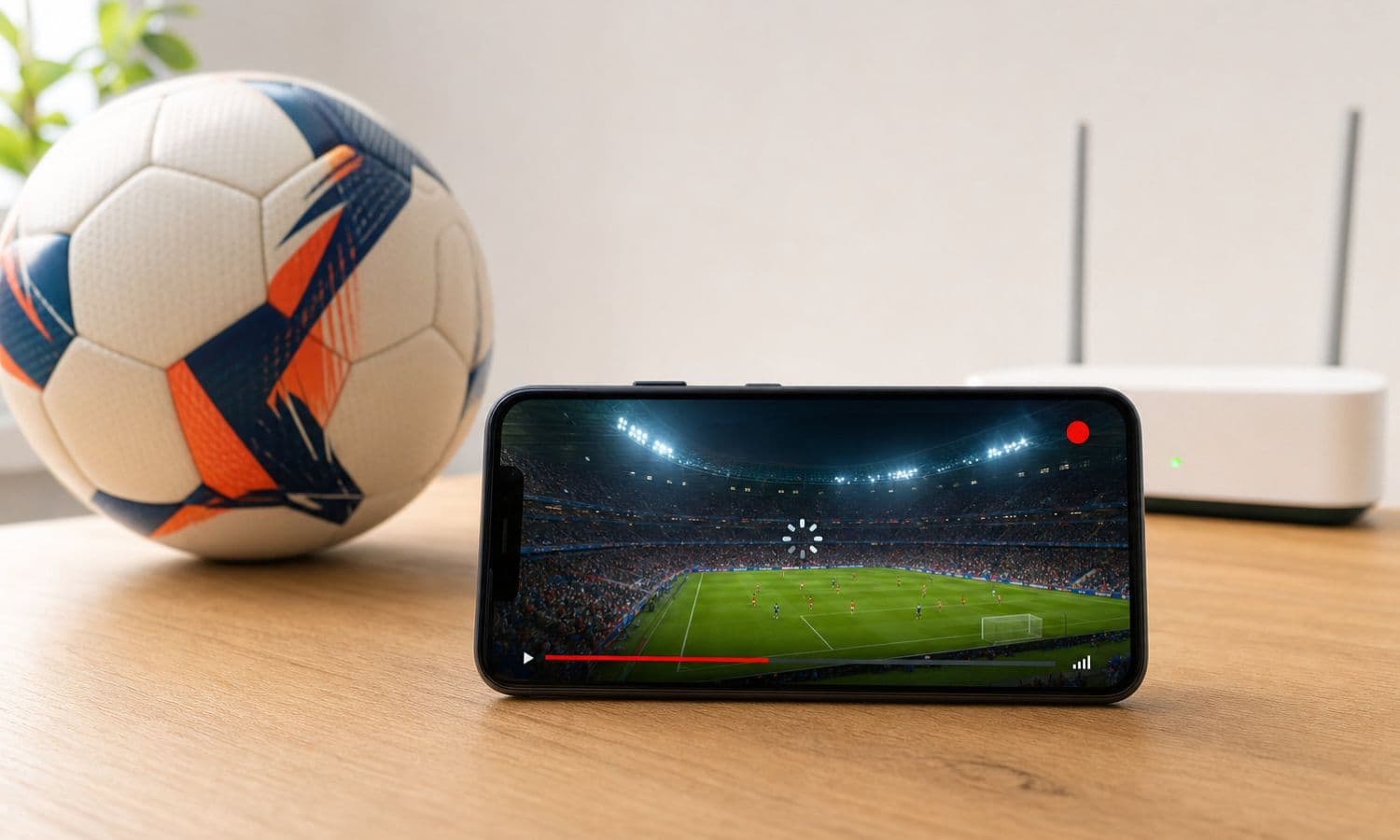
Live streaming is increasingly preferred by sports fans over traditional TV, driven by mobile access and flexible viewing habits. This shift is highlighted as transforming how audiences consume sports and enabling personalized viewing experiences. The article also addresses challenges for streaming professionals, such as distribution, security, latency, content rights fragmentation, and device compatibility.
Key Takeaways
- Mobile devices and flexible viewing habits are accelerating the shift from traditional TV to live sports streaming.
- Streaming platforms offer interactive features like multiple camera angles and alternate commentary, enhancing personalized viewing.
- Latency, fragmented content rights, and device compatibility remain significant technical and operational hurdles for streaming providers.
- Security and privacy concerns are increasing as more sports fans use browsers and mobile apps on public Wi-Fi networks.
- The monetization model for sports content is evolving, with a new focus on 'engagement' metrics over simple viewership numbers.
Why It Matters
The increasing migration of sports viewership to streaming platforms demands that content providers and distributors adapt their strategies beyond linear models. This trend forges new opportunities for deeper fan engagement through interactive features but also intensifies competition for exclusive rights and robust delivery infrastructure. Companies must prioritize reducing latency and harmonizing content access to capitalize on evolving consumer expectations, or risk alienating a growing segment of the sports audience.
Additional Context
The shift in sports viewership is reflected in recent data, with digital live sports audiences projected to grow 5.8% year-over-year in 2026, significantly outpacing the overall live sports viewership growth of 0.4%, as reported by MNTN Research (2026). Nielsen (2026) highlights that live sports remain a crucial cultural anchor, accounting for 29% of all ad-supported viewing in Q4 2025, and that multi-platform broadcasts are key to maximizing reach across diverse demographics. Reviews.org (February 2026) corroborates this, finding that 47% of Americans primarily watch live sports via streaming, surpassing cable/satellite (33%), although nearly 90% of total sports viewing still occurs on traditional TV or MVPDs when considering all forms of access. These trends underscore the growing importance of connected TV (CTV) for sports content, with streaming accounting for a record 47.5% of television viewership in December 2025, per Nielsen (2026). StreamingMedia.com (2026) notes that by 2030, global sports rights value will reach $78 billion, with streaming platforms becoming major strategic players, and rights holders increasingly embracing digital channels to reach younger audiences. The same report details how Netflix's 10-year WWE deal, starting in January 2025, generated 88.6 million total aggregated views for "Raw" episodes, helping reduce churn and grow its U.S. subscriber base. The fragmented rights landscape, however, continues to be a pain point for consumers, with Paramount+ acquiring exclusive UCL rights from 2027 to 2031 for $1.5 billion, further diversifying where fans need to search for specific content (StreamingMedia.com, 2026).
Read full article at thebridge.in
Enjoy our coverage?
Add StreamingMeme as a preferred source on Google to see more of our streaming news at the top of your Search results.
Add as preferred source