
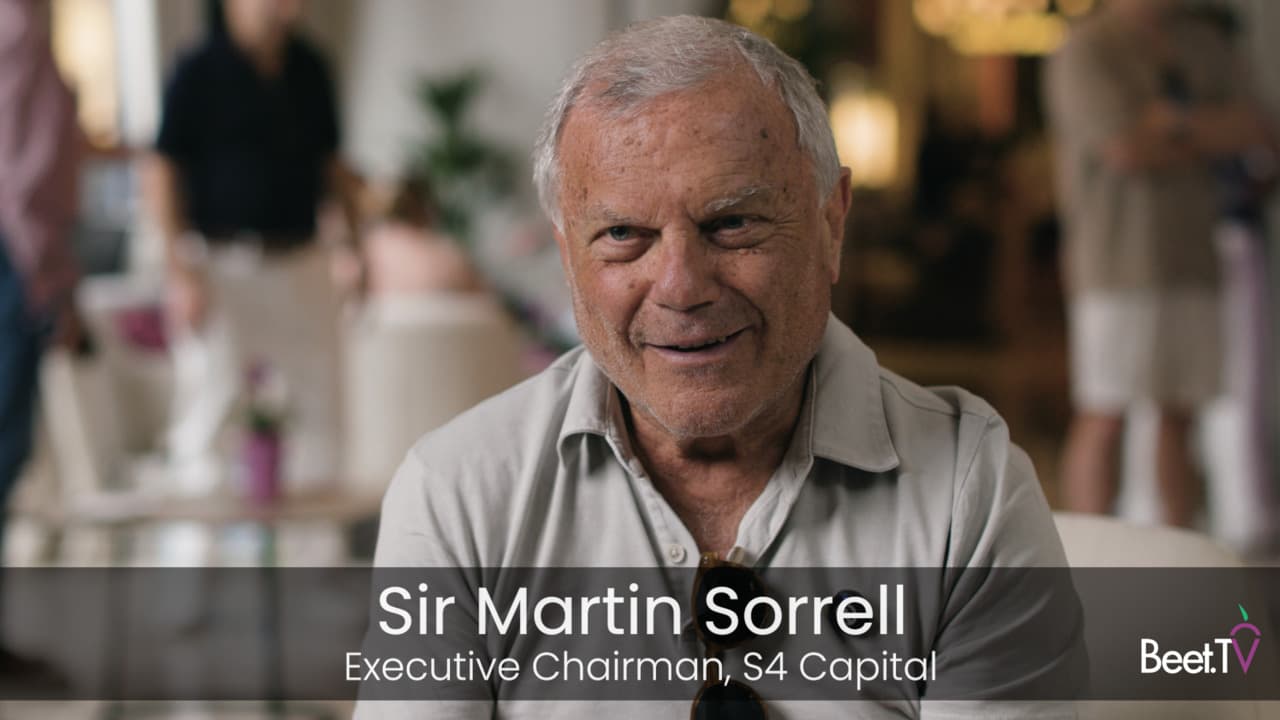
At Cannes Lions 2026, S4 Capital Chair Sir Martin Sorrell argued that the advertising industry's focus on AI-driven creative production overshadows more critical issues regarding AI implementation in media trading transparency. He highlighted renewed scrutiny of proprietary trading margins following recent industry disputes and advocated for a shift toward more transparent fee-based models in media buying operations.
The immediate implication is a renewed push for audit rights as advertisers realize AI efficiencies are being captured by agency margins rather than passed through as savings. This shifts the competitive landscape toward independent DSPs and 'fee-only' agencies that rely on operational transparency for leverage. For the streaming ecosystem, this indicates that premium video inventory may face sharper pricing scrutiny if bundled into opaque programmatic pools. Watch for the adoption rate of The Trade Desk’s OpenSecura and similar transparency frameworks by major brand advertisers through the end of 2026.
The tension between holding companies and ad-tech providers peaked in mid-2026 following a public rift between Publicis Groupe and The Trade Desk. Per MediaPost (June 2026), Publicis briefly halted client recommendations for the DSP after an audit by FirmDecisions alleged contract violations and 'hidden' fee structures. While the dispute was resolved with a joint statement on June 12, 2026, the episode resulted in a 13% drop in The Trade Desk's stock and heightened industry focus on 'take rates' — the portion of ad spend kept by intermediaries.
Parallel to these transparency disputes, the agency model is shifting toward long-term recurring revenue. Digiday reported in February 2026 that S4 Capital’s Monks unit expects 25% of its revenue to come from 'subscription' models by year-end. These contracts move away from traditional billable hours in favor of fixed-fee access to AI-powered 'agentic' workflows. This transition reflects a broader trend of agencies seeking to protect margins as generative AI collapses the cost of production tasks once handled by entry-level staff.
Furthermore, the dominance of 'platform concentration' is overriding historical media fragmentation. According to reports from the Cannes festival in July 2026, major players like Google, Meta, and Amazon are increasingly building end-to-end automated systems that handle both creative optimization and media buying. This consolidation forces agencies to justify their value as strategic consultants rather than technical intermediaries. Per AdAge (June 2026), the resolution of the Publicis audit served as a critical reminder that holding companies still wield significant leverage over the supply path, even as automated systems become more autonomous.
Add StreamingMeme as a preferred source on Google to see more of our streaming news at the top of your Search results.
Add as preferred source