

Sony Bravia 7 II True RGB backlighting challenges OLED contrast dominance
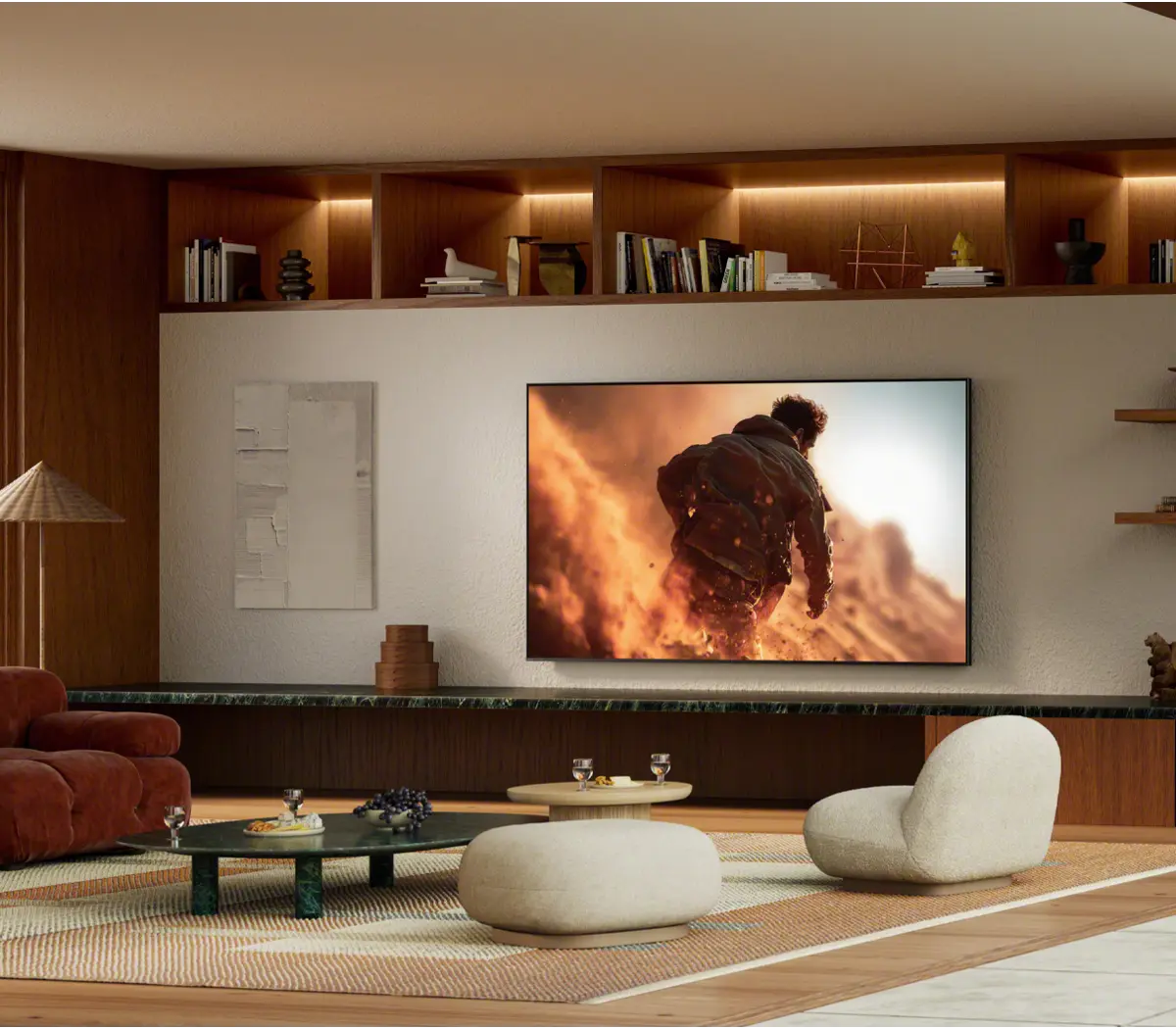
The Sony Bravia 7 II introduces a True RGB Mini-LED backlight architecture that provides independent control for red, green, and blue LED chips to reduce light blooming. While the display achieves high peak brightness and improved contrast in near-black content, its integration of an older MediaTek Pentonic 1000 SoC limits the set to two HDMI 2.1 ports.
Key Takeaways
- True RGB architecture uses independent R/G/B LED chips per zone, expanding the BT.2020 color gamut coverage from 71% to 87.93% compare to white mode.
- Measured peak brightness reached 2,077 nits, significantly exceeding the ~1,600-nit ceiling of top-tier 2026 OLED competitors.
- Gaming input lag improved by 39% over the previous generation, dropping from 17.1ms to 10.4ms.
- Integration of the older MediaTek Pentonic 1000 SoC limits the set to just two HDMI 2.1 ports, a constraint not present in Sony's budget-tier Bravia 3 II.
Why It Matters
This release signals a physical shift in LCD engineering where color accuracy is derived from backlight hardware rather than just software processing. By decoupling the luminance of individual color channels, Sony has narrowed the functional gap between backlit and emissive displays for near-black content. However, the reliance on legacy silicon for stability creates a strategic bottleneck for high-end users, as rivals like Samsung and LG now offer four HDMI 2.1 ports as a standard flagship feature. Industry observers should watch for whether Sony transitions its premium 2027 lineup to the Pentonic 800 or a successor to resolve this port disparity.
Additional Context
The launch of the Bravia 7 II occurs as the ultra-premium TV market faces a shifting battle between Mini-LED and OLED technologies. Per Counterpoint Research in January 2026, Mini-LED shipments have begun to outpace OLED growth in the premium segment, driven by manufacturing efficiencies in large-format panels and a price ceiling that has stalled at the $3,000 mark. While OLED remains the gold standard for infinite contrast, manufacturers are increasingly hitting a brightness and size-to-cost wall that Mini-LED architectures are better positioned to scale. Sony’s specific choice of the MediaTek Pentonic 1000 for its 2026 flagship and mid-range True RGB sets has drawn scrutiny, particularly as cheaper models like the Bravia 3 II utilize the newer Pentonic 800. This newer chipset, announced by MediaTek in June 2024 and adopted by brands like Hisense for their 2025/2026 lineups, supports up to four full-bandwidth HDMI 2.1 ports. FlatpanelsHD and other technical outlets confirmed in early 2026 that Sony prioritised the stability of its proprietary XR Backlight Master Drive on a known silicon platform over the expanded connectivity offered by the newer chip. Concurrent with hardware innovation, the industry remains fragmented by metadata standards. While Sony continues to support Dolby Vision, it remains a notable holdout for HDR10+, a standard heavily backed by Samsung and utilized by Amazon Prime Video. Per market reports from March 2026, although 'Dolby Vision 2' and 'HDR10+ Advanced' were introduced at CES 2026, content availability for these higher-tier dynamic formats remains minimal, leaving manufacturers to compete primarily on raw hardware metrics like nit counts and color volume where RGB Mini-LED systems currently hold the lead.
Read full article at techtimes.com
Get this in your inbox → Subscribe
Enjoy our coverage?
Add StreamingMeme as a preferred source on Google to see more of our streaming news at the top of your Search results.
Add as preferred source