
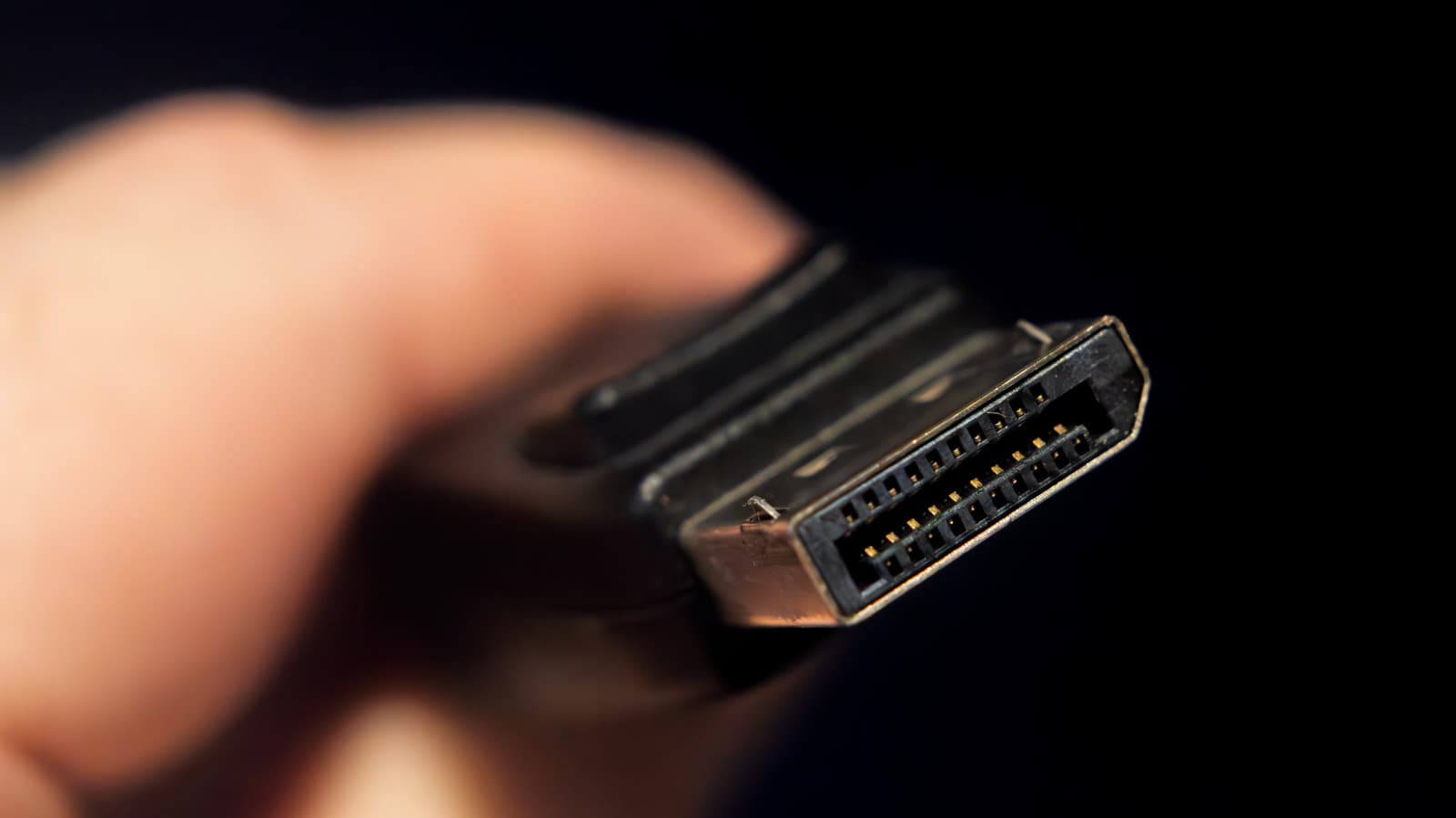
Smart TV manufacturers mainly use HDMI 2.1 over DisplayPort 2.1 for video inputs due to significantly lower licensing costs, despite DisplayPort offering superior bandwidth and refresh rates. HDMI 2.1 is considered sufficient for most consumers given current 4K TV adoption and its ability to deliver uncompressed audio at 4K/120Hz. The high cost of implementing DisplayPort 2.1 and the limited consumer demand for its advanced features on TVs make its widespread adoption unlikely.
The streaming display ecosystem remains anchored to HDMI due to cost efficiencies and perceived consumer sufficiency for current 4K TV adoption. This prioritizes broad market appeal over niche high-performance requirements, even as DisplayPort provides technical superiority. Manufacturers are unlikely to absorb the added licensing and production costs for features that a majority of consumers, including console gamers, won't fully utilize. Industry players should monitor the adoption rate of 8K TVs and the eventual rollout of HDMI 2.2 for 16K, as these factors could shift the cost-benefit analysis for alternative display inputs in the future.
Add StreamingMeme as a preferred source on Google to see more of our streaming news at the top of your Search results.
Add as preferred source