

Smart TV tracking persists across HDMI inputs despite privacy opt-outs
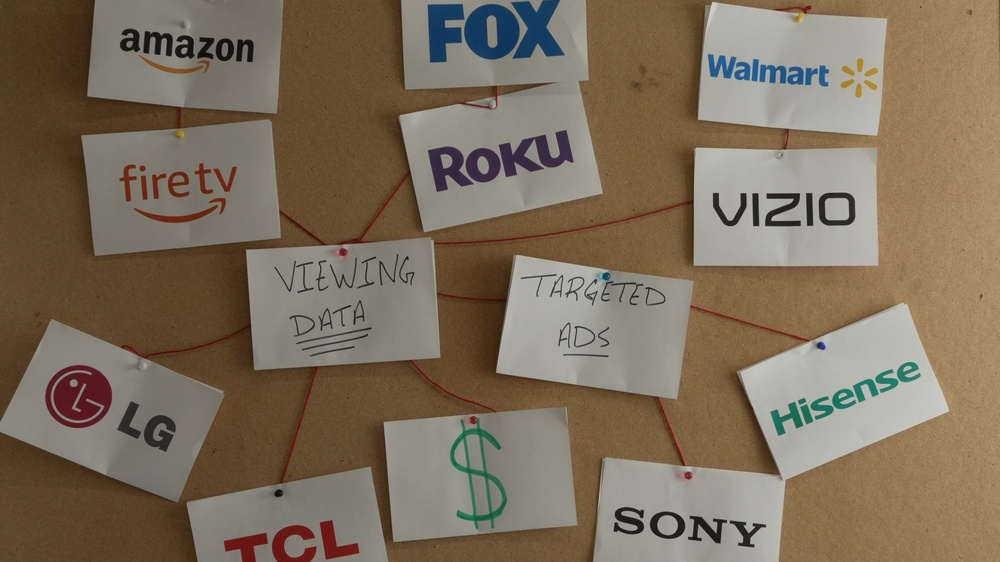
A privacy research study from RTINGS found that Automatic Content Recognition (ACR) on major smart TV platforms tracks viewing habits across both built-in apps and external HDMI inputs. The findings demonstrate that data collection practices vary significantly between manufacturers, with some offering clear opt-out mechanisms while others bury controls or tie them to core device functionality.
Key Takeaways
- ACR tracking on the LG G5 monitored content from the built-in interface, USB playback, and connected HDMI devices including game consoles.
- The Vizio VQD65R-10 loses all app functionality if users decline Activity Data sharing, reverting to a basic display for external inputs only.
- Samsung and LG reached 2026 settlements with the Texas Attorney General to improve ACR disclosure clarity and obtain express consent.
- Network tests on the TCL QM8K showed any ACR-related traffic was obfuscated and inseparable from standard background system telemetry.
- Apple TV 4K was identified as a more compartmentalized alternative, requiring per-app tracking permissions via tvOS.
Why It Matters
The persistence of ACR tracking across external inputs signals that the smart TV has evolved from a passive display into an active data-collection node for the entire home theater stack. For OEMs, this creates a high-margin services business that offsets low hardware profits, as seen in Walmart's $2.3 billion acquisition of Vizio. However, the lack of standardized naming—with features labeled as 'Interactive Service' or 'Viewing Data'—and the presence of 'all-or-nothing' consent models are likely to draw increased regulatory scrutiny under expanding state privacy laws. Watch for whether specific universal opt-out signals, like the Global Privacy Control mandated in some states, are eventually adopted by TV operating systems to simplify consumer compliance.
Additional Context
The RTINGS findings arrive amid a significant consolidation of the smart TV data ecosystem. In June 2026, Fox Corporation announced a $22 billion deal to acquire Roku, specifically citing access to first-party data from over 100 million households as a primary driver. Per CBS News (June 2026), the acquisition allows Fox to double its annual connected TV advertising revenue by leveraging Roku's extensive ACR footprint. This move mirrors Walmart's 100% takeover of Vizio earlier in the year, which aimed to fuse Vizio's viewing data with Walmart's shopper purchase history to create a closed-loop measurement platform, according to PPC Land (May 2026). Regulatory pressure is mounting as these data-driven platforms scale. In March 2026, the Texas Attorney General secured a settlement with Samsung requiring the manufacturer to stop collecting ACR data from state residents without express, affirmative consent. This followed allegations that Samsung used deceptive disclosures to steer users toward tracking. Simultaneously, state-level privacy regimes are expanding, with Indiana, Kentucky, and Rhode Island activating comprehensive privacy laws in January 2026, per Nixon Digital (April 2026). These laws increasingly demand clear pre-use notices and simplified opt-out mechanisms for targeted advertising. Technological workarounds remain limited for privacy-conscious users. While the California Privacy Protection Agency approved new regulations in September 2025 that restrict 'dark patterns' in consent flows, most smart TVs still lack interoperable privacy standards. Per Hinshaw Law (October 2025), upcoming 2027 compliance requirements for automated decision-making will likely force manufacturers to provide even deeper transparency regarding how viewing data profiles lead to specific ad targeting, though current hardware-level tracking remains largely unregulated at the federal level.
Read full article at rtings.com
Get this in your inbox → Subscribe
Enjoy our coverage?
Add StreamingMeme as a preferred source on Google to see more of our streaming news at the top of your Search results.
Add as preferred source