

Smart TV OEMs must prioritize linguistic personalization for 2026 World Cup
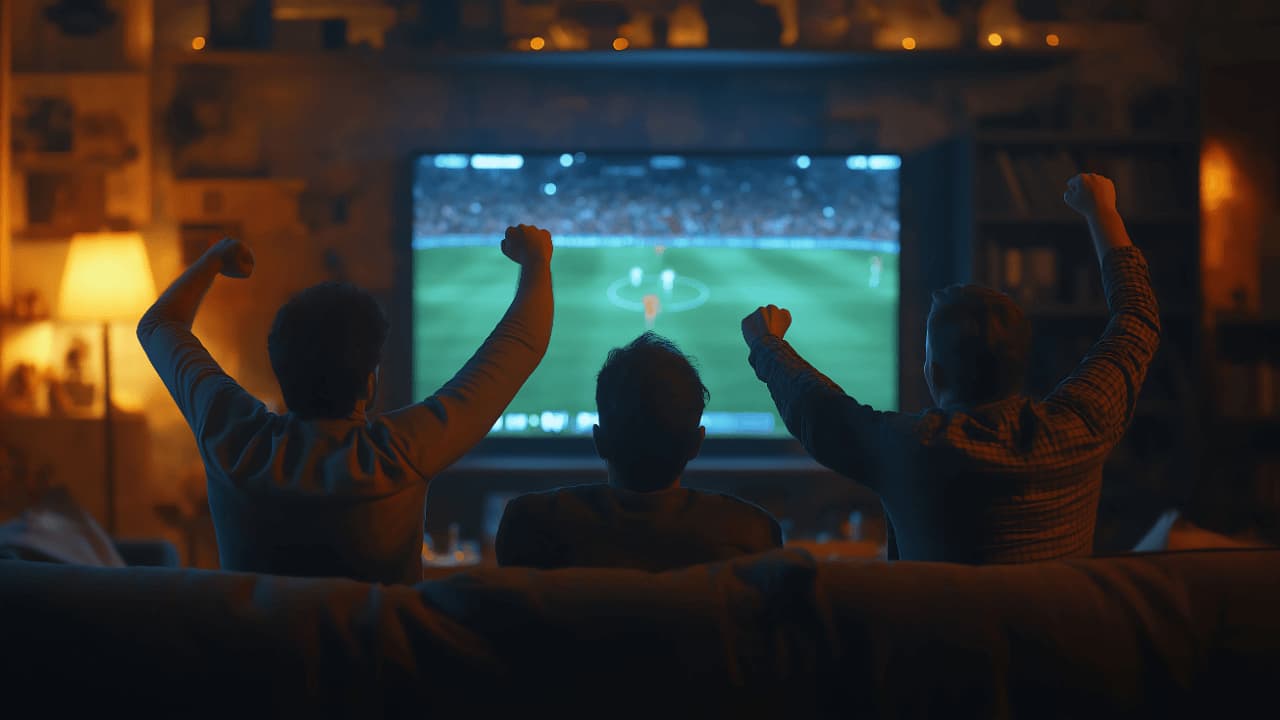
Xperi highlights the necessity for Smart TV OEMs to focus on cultural and linguistic personalization for content recommendations during the 2026 FIFA World Cup. This approach aims to transform Smart TVs into primary destinations for global sports viewing by delivering tailored live matches, local commentary, and highlight reels. The article emphasizes leveraging recommendation engines and understanding evolving fan behavior to provide a more equitable and personalized entertainment experience.
Key Takeaways
- Smart TV home screens will serve as the primary discovery layer for live matches, local commentary, and highlight reels
- Recommendation engines must incorporate specific user inputs including language, geographic location, and team loyalty
- OEMs are expected to leverage four weeks of tournament viewing patterns to pivot from static to behavior-based personalization
- Hardware manufacturers anticipate a cyclical surge in new TV purchases as consumers upgrade sets for the international tournament window
Why It Matters
The 2026 World Cup represents a critical stress test for OEM-driven content discovery in a fragmented rights environment. As viewership moves away from traditional linear bundles, the Smart TV interface becomes the de facto gatekeeper for navigating complex multi-country broadcasting rights. For the ecosystem, this shifts the competitive focus from panel quality to the sophistication of the operating system's metadata processing. Success here validates the Smart TV as a high-margin data and advertising hub rather than just a low-margin hardware commodity. Watch for OEM partnership announcements with local broadcasters to secure 'preferred placement' for specific linguistic feeds on the dashboard.
Additional Context
The 2026 FIFA World Cup marks a massive expansion to 48 teams and 104 matches, creating a significant inventory challenge for streaming platforms. Per World Soccer Talk in May 2026, Fox Sports and Telemundo have finalized their broadcast schedules, emphasizing the need for robust discovery tools to manage the 24% increase in match volume compared to the 2022 tournament. This surge in content is driving a technical shift toward Server-Side Ad Insertion (SSAI) to handle hyper-localized ad delivery across different regions. In parallel, Nielsen reported in April 2026 that sports fans are 35% more likely to discover matches through their TV's native interface than through individual app searches, reinforcing the strategic importance of the home screen real estate discussed by Xperi.
Technological preparation is also happening at the infrastructure level. Per Digital TV Europe, June 2026, several major European OEMs have integrated more advanced AI-driven metadata tagging to support real-time highlight generation. This aligns with FIFA’s own push for 'FIFA+ Collect' and other digital-first initiatives designed to keep younger demographics engaged through mobile-integrated Smart TV features. Furthermore, Omdia noted in a May 2026 report that the 'Big Three' Smart TV OS providers—Samsung, LG, and Roku—have all increased their investment in multilingual natural language processing to capitalize on the surge of international viewers expected in the North American market specifically.
Read full article at xperi.com
Enjoy our coverage?
Add StreamingMeme as a preferred source on Google to see more of our streaming news at the top of your Search results.
Add as preferred source