

RGB LED TVs projected to capture 13% of global TV revenue by 2030
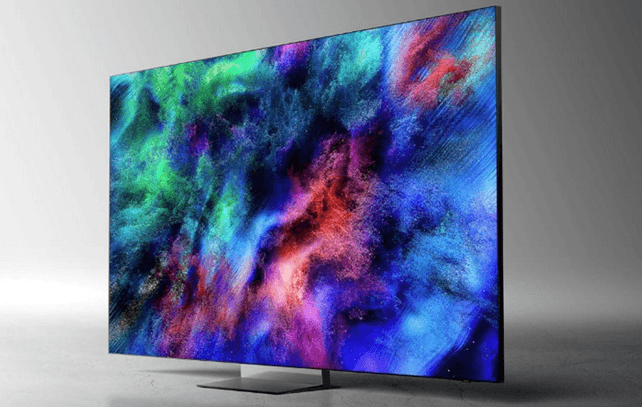
Omdia forecasts that RGB LED TVs will grow from 3% of global TV set revenue in 2026 to 13% by 2030, driven by Samsung, LG, and Hisense. The shift reflects an industry move toward higher brightness and color purity using independent red, green, and blue backlight LEDs, offering an alternative to OLED limitations. Mini LED shipments are also projected to grow over 60% in the same period, with both technologies supporting larger screen sizes and premium display features.
Key Takeaways
- RGB LED TV shipments are forecast to grow from 1.1 million units in 2026 to 7.1 million by 2030, a 500%+ increase, while revenue share rises from 3% to 13%.
- Mini LED TV shipments are projected to grow from under 18 million to nearly 30 million units by 2030, with China leading at 10.4 million units.
- OLED TV shipments are expected to stay flat at 6.9 million units between 2026 and 2030, with conventional LED backlight TV shipments declining 7%.
- By 2030, 18% of RGB LED shipments and 24% of Mini LED shipments are forecast to be 85 inches or larger, versus just 0.2% for OLED (1,066 units).
- Samsung, LG, and Hisense are driving RGB LED adoption by using direct red, green, and blue diodes at the backlight source, covering up to 100% of the BT.2020 color standard.
Why It Matters
RGB LED backlighting is moving from concept to retail in 2026, giving TV brands a credible path to premium revenue growth without OLED's manufacturing cost ceiling or burn-in risk. The technology directly serves the streaming and gaming use cases that are driving demand for larger screens (85"+) with high brightness and wide color gamut — segments where OLED remains structurally limited. Watch whether RGB LED shipments in North America hit the projected 2.0 million units by 2030, as that region leads adoption and would signal whether premium consumers are willing to pay for the color purity differential over Mini LED.
Additional Context
RGB LED backlight technology was the dominant theme at CES 2026, where Samsung, LG, and Hisense each unveiled distinct strategies. Samsung showcased its 130-inch Micro RGB TV, positioning the technology not as an OLED replacement but as a way to dominate the ultra-large premium segment (100 inches and above) where its Neo QLED line had struggled, per UBIResearchNet, January 2026. Hisense returned with a second-generation RGB MiniLED flagship — the 116UXS — featuring a four-primary RGB+Cyan backlight architecture designed to expand color gamut and reduce color fringing at high brightness. Hisense was the first manufacturer to bring RGB MiniLED TVs to retail in 2025 and expanded the technology across more accessible UR9 and UR8 series at CES 2026.
LG Electronics began shipping its 2026 Micro RGB evo and Mini RGB evo TV lineups on June 5, 2026, per the LG Newsroom. The flagship Micro RGB evo achieves Intertek-certified Triple 100% Color Coverage across BT.2020, DCI-P3, and Adobe RGB, powered by the same α11 AI Processor Gen3 used in LG's OLED TVs. LG's strategy explicitly preserves OLED as its top-tier product while positioning Micro RGB evo as an "ultra-premium LCD" tier between OLED and its QNED Mini LED line.
RTINGS.com labeled 2026 "The Year of RGB Mini LED" in a June 18, 2026 overview of the TV landscape, noting that nearly every major manufacturer is now fielding some variant of the technology. Omdia's earlier forecast from December 2025 projected global TV shipments exceeding 210 million units in 2026, with Mini LED growing 16.9% year-on-year and RGB Mini LED gradually entering at premium price points before expected price declines drive broader adoption through the forecast period.
Read full article at advanced-television.com
Enjoy our coverage?
Add StreamingMeme as a preferred source on Google to see more of our streaming news at the top of your Search results.
Add as preferred source