
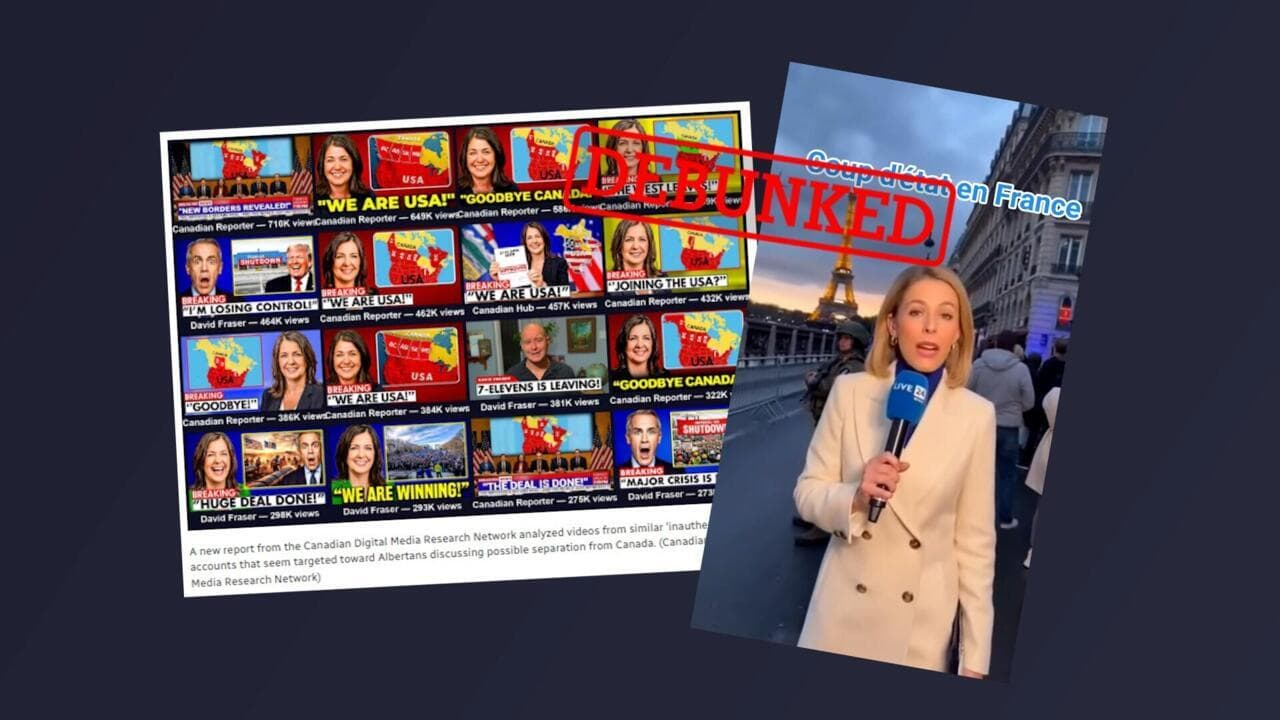
The article discusses how online misinformation, including AI-generated fake news, is driven by profit-seeking actors leveraging social media algorithms for monetization. This market dynamic leads to significant ad revenue for platforms and challenges for content moderation. Experts argue for better regulation of the digital advertising market, such as 'Know Your Customer' regulations, to prevent legitimate brands from inadvertently funding disinformation.
The commercial incentive behind viral misinformation puts brand safety and platform integrity at increased risk. Advertisers' funds are often inadvertently directed to creators of sensational, anxiety-inducing content due to opaque ad distribution systems. This market dynamic forces platforms, content creators, and brands to confront their roles in the spread of disinformation. Streamers must consider how their ad placements are managed and whether 'Know Your Customer' regulations for digital advertising, as proposed, could become a new compliance hurdle for ad tech and media buyers.
Add StreamingMeme as a preferred source on Google to see more of our streaming news at the top of your Search results.
Add as preferred source