

Personal AI Avatars Offer Scalable Video Production and Multilingual Content
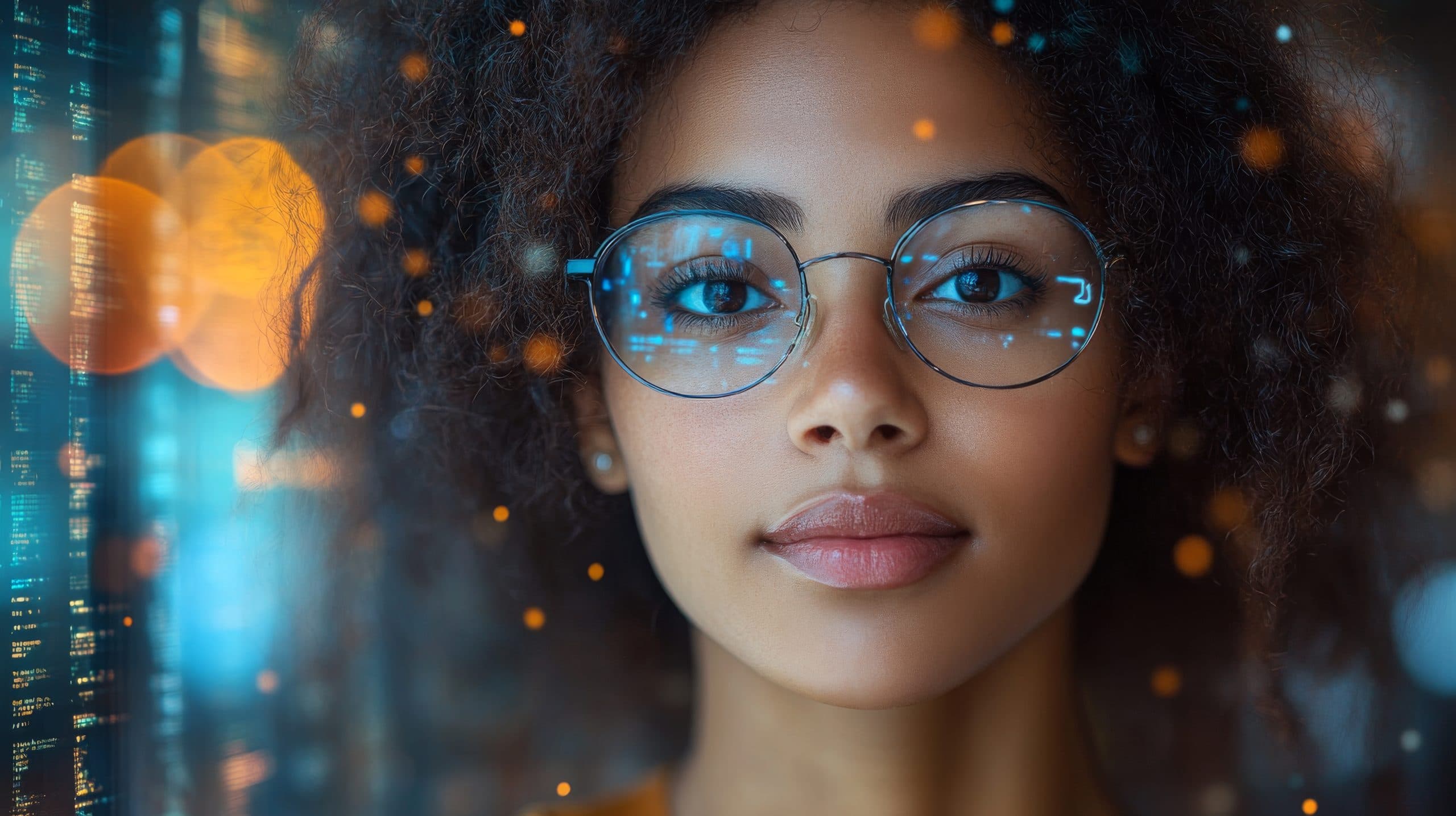
This article explains how to create personal AI avatars using deep learning and voice synthesis to generate lifelike digital representations. It highlights their utility for scaling content output, localizing video, and maintaining a consistent online presence, addressing production challenges for professionals and content creators. The guide details the step-by-step process of preparing source material, training the avatar on platforms like Kling AI, and generating custom content.
Key Takeaways
- AI avatars replicate a person's appearance, voice, and mannerisms, functioning as digital humans that speak and move naturally.
- The creation process involves uploading a short video (30 seconds to a few minutes) and an audio sample for visual and voice training.
- Platforms like Kling AI guide users through avatar training, which can range from minutes to a couple of hours.
- Use cases span content creation, business communication for training and internal messages, and multilingual content localization.
- High-quality source material (good lighting, neutral background, clear audio) is crucial for realistic avatar output.
Why It Matters
The rise of accessible personal AI avatars provides a new pathway for scaling video content creation, addressing the constant demand for fresh material across platforms and languages. This technology directly impacts content strategists and marketing teams by offering a practical solution for efficiency where physical presence or multiple production setups are impractical. As AI capabilities advance, watch for the integration of these avatars into live streaming and interactive experiences, potentially blurring the lines between real-time and AI-generated appearances.
Read full article at geekvibesnation.com
Enjoy our coverage?
Add StreamingMeme as a preferred source on Google to see more of our streaming news at the top of your Search results.
Add as preferred source