

NVIDIA Integrates DLSS Ray Reconstruction Denoising into Blender 5.3 Cycles
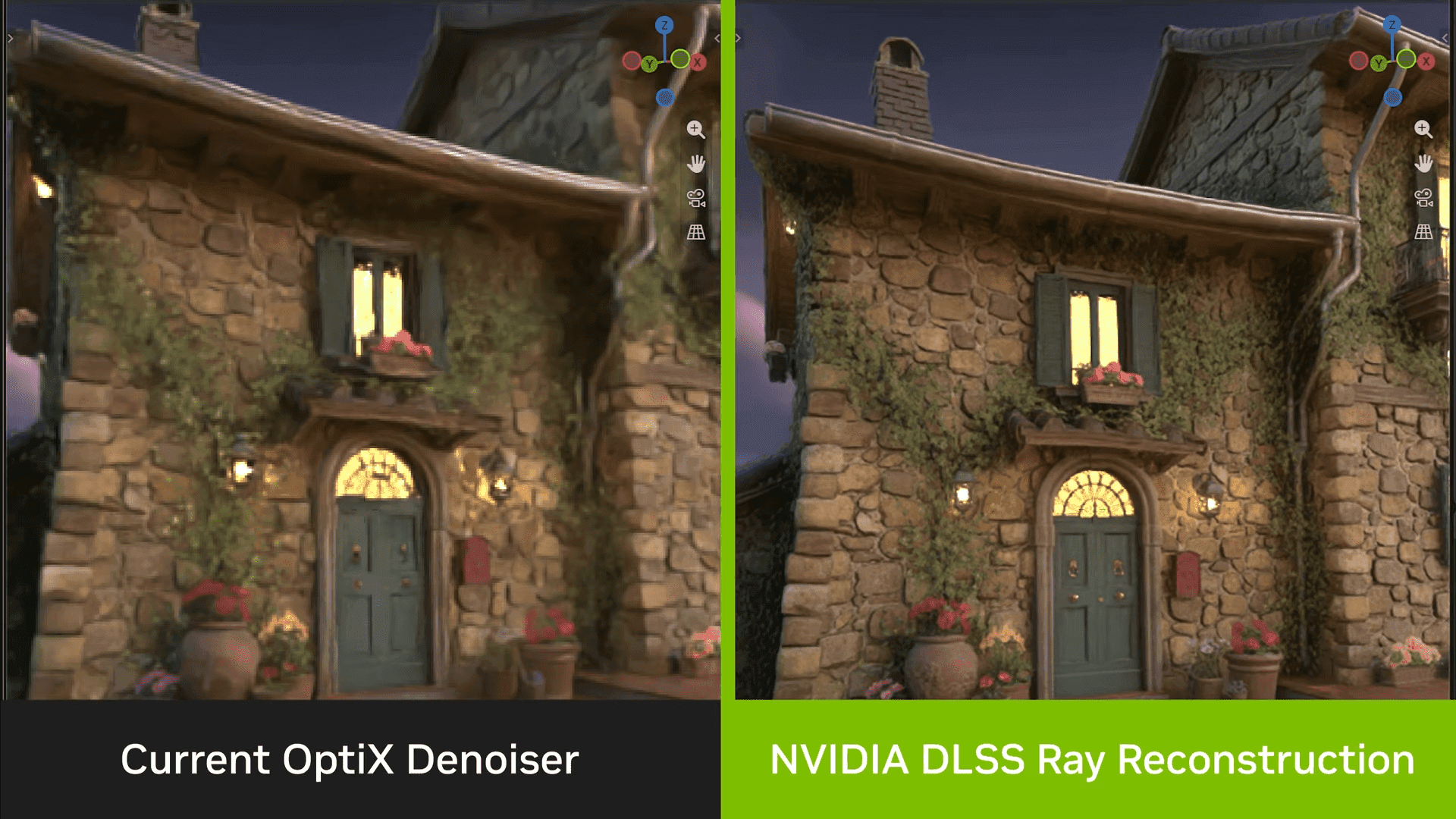
NVIDIA is integrating DLSS 4.5 Ray Reconstruction, an AI-powered denoiser, into Blender Cycles for Blender 5.3, slated for release this fall. This integration aims to provide artists with a more interactive viewport and faster look development when working with path-traced content, replacing traditional denoisers with an AI model that reconstructs pixels in noisy areas. The new feature will be available via NVIDIA OptiX integration and is expected to improve image quality and temporal stability in ray-traced and path-traced scenes.
Key Takeaways
- DLSS 4.5 Ray Reconstruction will be integrated into Blender 5.3 Cycles via NVIDIA OptiX.
- The AI denoiser replaces traditional methods, reconstructing pixels in noisy areas of ray-traced and path-traced content.
- The technology is designed to improve image quality, temporal stability, and overall look development efficiency for artists.
- DLSS 4.5 Ray Reconstruction is also set to arrive for games in August, ahead of its fall release in Blender 5.3.
Why It Matters
The integration of advanced AI denoising directly into a widely used 3D application like Blender could significantly impact real-time content creation workflows. Artists may experience reduced iteration times and more accurate visual feedback in the viewport, which streamlines the lighting and material development process. This move expands NVIDIA's AI rendering technology from gaming into professional creative tools, potentially boosting demand for RTX GPUs in production pipelines. Industry professionals should watch for performance benchmarks and specific hardware requirements upon Blender 5.3's release to assess its full production viability.
Read full article at digitalproduction.com
Enjoy our coverage?
Add StreamingMeme as a preferred source on Google to see more of our streaming news at the top of your Search results.
Add as preferred source