
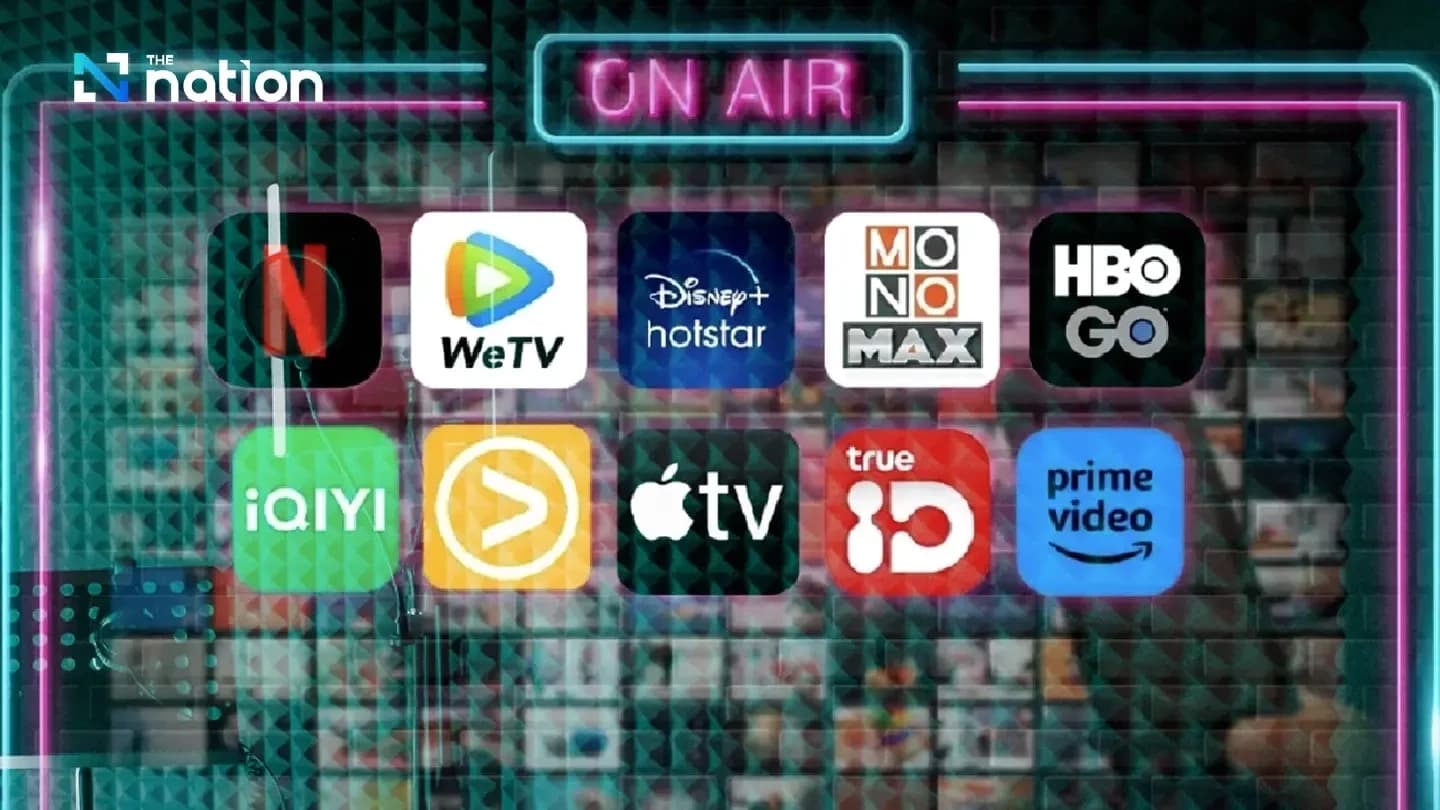
The article discusses the shift in the TV industry towards streaming as the dominant screen, driven by ad-supported models, live sports, and AI, which is reshaping media business models and increasing global CTV ad spend. Netflix's ad-supported plan is highlighted for its growth, reaching 250 million monthly active users and expanding internationally. The report emphasizes the role of AI in transforming CTV into a commercial platform through real-time data analysis and dynamic creative advertising.
The upward trajectory of connected TV (CTV) is part of a broader structural realignment in the global advertising market. Per eMarketer (February 2026), CTV ad spending in the U.S. is projected to grow 14% this year to reach approximately $38 billion, significantly outpacing the 5-7% growth rate of the broader advertising industry. This momentum is expected to culminate in 2028, when CTV ad spend is forecast to surpass traditional linear TV advertising for the first time, hitting $46.89 billion while traditional spending continues its decline.
Netflix’s specific success with its ad tier has outpaced its peers, having grown more rapidly than earlier entrants like Hulu or Max. Per Business-Standard (November 2024), the plan reached 70 million monthly active users globally within two years of launch. To sustain this, Netflix has shifted its measurement methodology, now defining monthly active viewers based on estimated household size rather than individual profiles to better reflect the scale of its reach to advertisers (per LA Times, November 2025).
Measurement remains the primary catalyst for increased investment. Per Marketing Dive (March 2026), 58% of advertisers now believe that AI functionality is particularly valuable for real-time campaign optimization and measurement. This confidence is driving 70% of CTV advertisers to increase their spend this year, frequently reallocating funds from linear TV and print. Additionally, Nielsen has recently adjusted its methodology by incorporating data from the Advertising Research Foundation to correct historical undercounting of linear TV households—a move that briefly saw linear viewing figures rise above streaming during major events like the 2026 Super Bowl and Winter Olympics (per Wall Street Journal, March 2026).
Add StreamingMeme as a preferred source on Google to see more of our streaming news at the top of your Search results.
Add as preferred source