

MLB Local Media and BravesVision lead RSN shift to in-house production
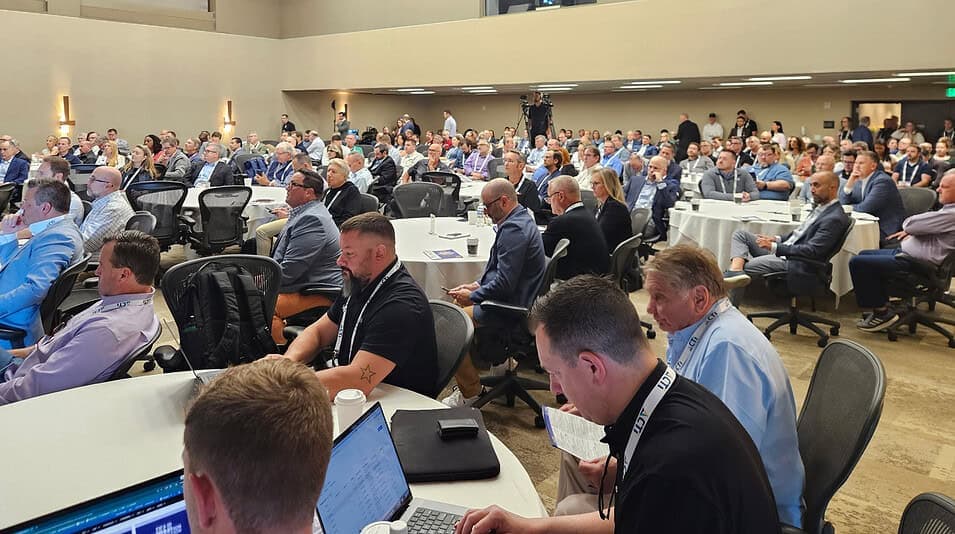
The SVG Regional Sports Production Summit featured executives and vendors discussing the shift toward in-house production, hybrid cloud workflows, and IP-based distribution for regional sports networks. The event highlighted how teams and groups like MLB Local Media are navigating the transition from traditional RSN models to direct-to-consumer and over-the-air streaming platforms.
Key Takeaways
- MLB Local Media now manages in-market streaming and local linear distribution for 14 teams, adding the Detroit Red Wings this fall.
- The Atlanta Braves launched BravesVision, a wholly owned broadcast and DTC operation, standing up live game production in under two months.
- Regional networks are adopting hybrid cloud architectures and IP-based production to replace aging C-band infrastructure and modernize workflows.
- Teams transitioning to over-the-air (OTA) and DTC models are partnering with broadcasters like TEGNA and Raycom to maintain local reach.
Why It Matters
The fragmentation of regional sports rights is forcing a technical and structural overhaul of the local media ecosystem. As franchises move away from third-party RSNs, they are assuming full control of production, sales, and marketing, effectively becoming their own media houses. This shift necessitates lean, cloud-supported engineering teams and IP-based delivery to manage the costs of localized sports production at scale. For the broader industry, this transition serves as a blueprint for how premium live content can survive the decline of the traditional cable bundle. Watch for whether these team-owned DTC and OTA models can match the per-subscriber revenue previously generated by the RSN affiliate fee model.
Additional Context
The transition toward team-led distribution follows the massive contraction of the traditional RSN market. Per Sports Media Watch, April 2026, the former Diamond Sports Group rebranded as Main Street Sports Group after exiting a 20-month bankruptcy process that saw it shed dozens of team contracts and reduce its debt from $9 billion to $200 million. While the company retained rights for roughly 29 teams across the MLB, NBA, and NHL under the FanDuel Sports Network banner, many high-profile franchises elected to leave the platform entirely. Notable departures include the Detroit Tigers and Red Wings, who launched Detroit SportsNet in March 2026 with a $19.99 monthly DTC tier, and the Atlanta Braves, who initiated their independent BravesVision network.
Data indicates this shift toward broader distribution is yielding gains in audience reach. Per Awful Announcing, May 2026, teams that transitioned from traditional RSNs to over-the-air broadcast networks saw an average viewership increase of over 50%. This surge is partly credited to the removal of cable exclusivity and the deployment of hybrid models that combine free-to-air games with paid digital subscriptions. For example, local NHL streaming viewership rose 51% year-over-year in 2026 as more teams adopted these direct-to-consumer frameworks.
Technological infrastructure is evolving rapidly to support these fragmented models. Per Business Wire, November 2024, Diamond Sports Group secured a multi-year deal to distribute its RSNs as add-on channels on Amazon Prime Video, a move designed to 'supercharge' its business through modern digital reach. Simultaneously, per Streaming Media, March 2026, the value of streaming sports rights in the U.S. grew to nearly $30 billion as tech giants intensified their competition for live inventory. These developments are forcing local broadcasters to adopt the same IP-based and cloud-heavy workflows discussed at the SVG summit to ensure inter-compatibility with global streaming platforms.
Read full article at sportsvideo.org
Enjoy our coverage?
Add StreamingMeme as a preferred source on Google to see more of our streaming news at the top of your Search results.
Add as preferred source