

iQIYI launches Nadou Pro platform with controversial AI celebrity talent pool
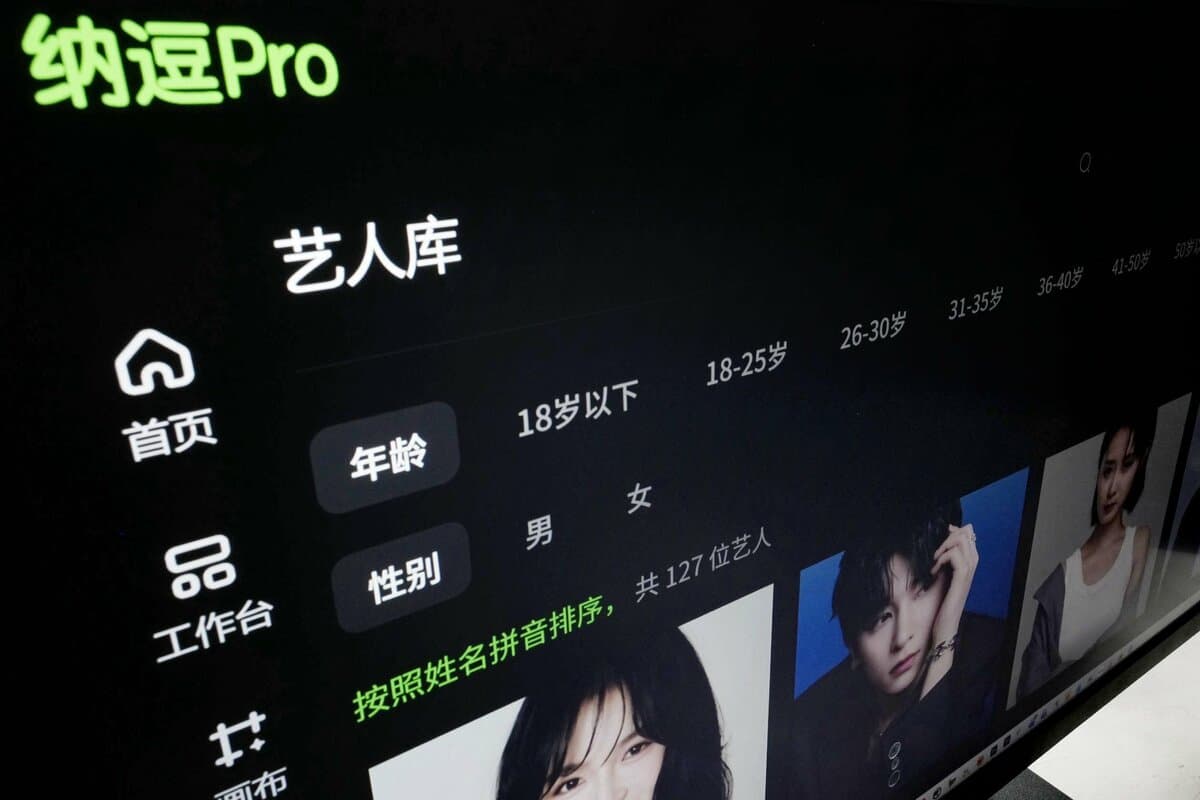
iQIYI has launched Nadou Pro, a generative AI platform featuring a digital talent pool of over 100 celebrity likenesses for automated content production. The platform is designed to replace traditional location shoots and physical sets to reduce production costs, though the initiative has faced backlash regarding copyright and the quality of AI-generated entertainment.
Key Takeaways
- Nadou Pro features a talent pool of over 100 celebrity likenesses accessible for AI-generated film and TV production.
- The platform has attracted 10,000 creators and supported approximately 100 projects across sci-fi, thriller, and fantasy genres.
- Integrated tools manage end-to-end workflows including script development, storyboarding, visual effects, and final rendering.
- Multiple high-profile celebrities have publicly denied authorization, prompting iQIYI to clarify that inclusion only indicates a "willingness to negotiate."
Why It Matters
The launch marks a transition from AI as a distribution filter to AI as a core content engine, potentially commoditizing short-form dramas and mid-tier serials. By offering a 20% revenue-share bonus to AI creators, iQIYI is aggressively incentivizing a shift away from expensive, traditional production models to protect margins in a fragmented market. This ecosystem pivot tests the limits of digital rights management and audience acceptance of 'digital humans' in professional long-form narratives. Keep a close eye on the Cyberspace Administration of China's 'Administrative Measures for Digital Virtual Human Information Services,' which entered the public commentary phase in April 2026 to address likeness theft.
Additional Context
The controversy at the iQIYI World Conference 2026 reflects a broader industry-wide push into automated production environments. Per PRNewswire (April 2026), iQIYI’s Nadou Pro integrates nearly 70 specialized AI agents—including scriptwriters, art directors, and editors—to maintain visual and narrative consistency. This industrial-grade suite is designed to prevent the 'uncanny valley' effects common in amateur short-form AI video. To draw creators, the platform combines proprietary multimodal models with third-party tools like SeeDance and Kling, positioning itself as a centralized hub for professional AIGC development.
Simultaneously, competitors are scaling their own production suites to capture the enterprise workflow layer. Per Alibaba Cloud (May 2025), the company launched VACE, an all-in-one AI video studio capable of editing and animating clips from a single prompt, while Tencent’s Hunyuan Image 2.0 has been integrated into its advertising platforms to automate marketing creative. Alibaba has since moved to consolidate its disparate AI products—QoderWork, Wukong, and MuleRun—into a unified productivity platform to compete with Tencent’s WorkBuddy, according to Ecomcrew (July 2026).
Regulatory pressure is mounting alongside these technical advances. Per Sixth Tone (April 2026), the Cyberspace Administration of China released draft regulations specific to digital virtual humans following a surge in 'AI face stealing' cases. These rules require explicit, retractable consent for likeness usage and prohibit the scraping of existing film data for unauthorized model training. This regulatory backdrop forced iQIYI to clarify that its 'AI talent pool' is a negotiation list rather than a blanket license, a crucial distinction as the industry moves toward a夏季 or autumn release for the first AI-generated long-form blockbuster.
Read full article at english.kyodonews.net
Enjoy our coverage?
Add StreamingMeme as a preferred source on Google to see more of our streaming news at the top of your Search results.
Add as preferred source