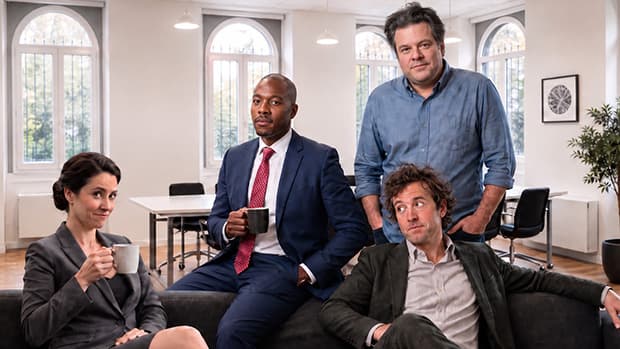
Writer Andrew Dickinson and AI studio ModeLabs.ai have released a pilot for a British sitcom titled No Big Deal, produced entirely using generative AI tools. The project highlights the use of synthetic media workflows to reduce production costs and timelines for independent content creators.
The launch of this AI-produced sitcom No Big Deal demonstrates a shift in how independent creators can bypass the high capital requirements of traditional studio pilots. By using ModeLabs.ai to handle visual execution, creators can maintain narrative control while significantly reducing timelines. Within the broader streaming ecosystem, this signals a move toward hyper-efficient synthetic workflows that could flood platforms like YouTube with high-fidelity niche content. The industry should watch for audience retention metrics on this pilot to see if synthetic performances can sustain viewer engagement compared to traditional live-action comedy.
ModeLabs.ai enters a rapidly expanding field of AI-native production studios competing for independent creator budgets. In early 2025, Runway launched its Gen-4 video generation model with improved character consistency and multi-shot coherence, directly targeting narrative storytelling use cases like sitcom production. Meanwhile, Pika Labs raised $80 million in a Series B round led by Lightspeed Venture Partners to scale its text-to-video platform toward longer-form content, and Luma AI's Dream Machine attracted over 10 million users within its first month of public availability in mid-2024, signaling massive creator demand for synthetic video tools.
The business model behind AI-produced content like No Big Deal sits at the intersection of platform distribution policies and intellectual property uncertainty. YouTube updated its monetization guidelines in 2024 to require disclosure of AI-generated or synthetic content in videos, a policy that directly affects how projects like No Big Deal are labeled and monetized. The U.S. Copyright Office has maintained that works generated entirely by AI without sufficient human authorship are not eligible for copyright protection, creating legal ambiguity around ownership of synthetic performances and generated scenes. For independent creators using tools like ModeLabs.ai, these regulatory gaps mean distribution rights and revenue sharing remain unsettled questions.
On the technical side, the quality bar for AI-generated video is rising quickly, raising the competitive threshold for projects like No Big Deal. OpenAI's Sora model demonstrated the ability to generate coherent multi-scene videos with consistent characters and physics when it launched in late 2024, setting a new benchmark for narrative AI video. Kling AI from Kuaishou released version 1.6 with 1080p output and up to three-minute generation windows, matching or exceeding the visual fidelity that earlier AI sitcom pilots could achieve. These rapid capability improvements mean that the production cost advantage ModeLabs.ai claims today may compress further as open and commercial models converge on broadcast-quality output within the next year.
The AI-produced sitcom No Big Deal has officially launched on YouTube, marking a milestone as the first human-written pilot created entirely through generative AI tools. Developed by Andrew Dickinson and ModeLabs.ai, the project demonstrates how independent creators can bypass traditional production costs and timelines to produce high-fidelity, niche content.
The sitcom No Big Deal is a project that depicts the venture capital sector.
The sitcom was created by writer Andrew Dickinson in collaboration with ModeLabs.ai.
Production shifted to AI because traditional television methods were found to be prohibitively expensive and slow for this independent project.
Writer Andrew Dickinson rewrote the script over 65 times to refine the iterative AI production process.
Add StreamingMeme as a preferred source on Google to see more of our streaming news at the top of your Search results.
Add as preferred source
