

IETF scrutinizes five AI agent protocols to set global interoperability standards
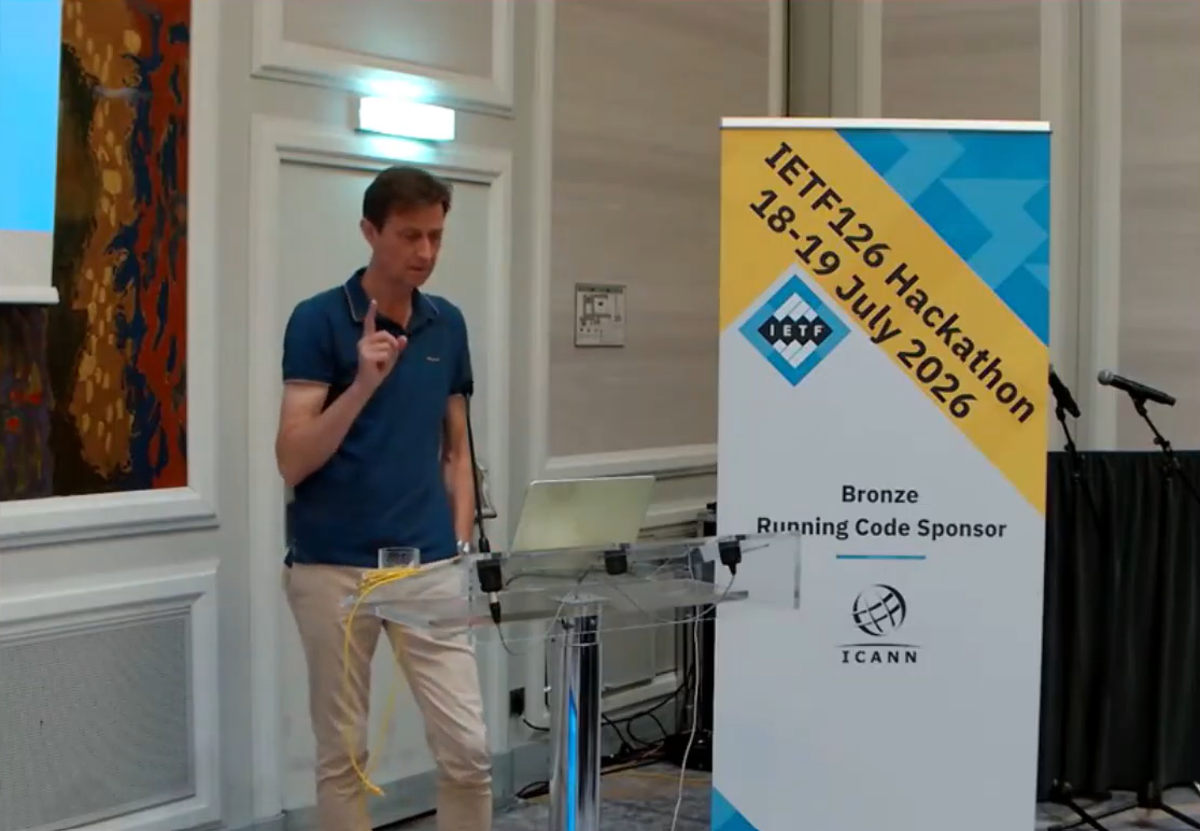
The IETF is holding Birds-of-a-Feather sessions during its 126th meeting in Vienna to discuss the potential standardization of five competing AI agent protocols. The effort aims to establish a formal RFC for inter-agent communication, addressing semantic ambiguity and enabling interoperability for distributed AI infrastructure.
Key Takeaways
- The agentproto BoF session evaluates five protocols: MCP, A2A, Agent Communication Protocol, Agent Network Protocol, and Agntcy.
- Proposed standards aim to address machine-speed communication failings caused by natural-language semantic ambiguity.
- A potential Working Group charter could lead to a formal IETF RFC within two to three years.
- Three of five total BoF sessions at IETF 126 specifically target AI agent discovery, collaboration, and gateway models.
- The DAWN session seeks to standardize decentralized discovery, potentially incorporating the Linux Foundation's DNS-AID as a candidate solution.
Why It Matters
Establishing an IETF RFC would move AI agents from proprietary silos into a truly interoperable internet layer. For the streaming and video industry, standardized inter-agent communication is the prerequisite for distributed AI workflows that span multiple vendors and cloud domains without custom integration code. This marks a shift from vendor-centric ecosystems to open infrastructure, mirroring the early internet's transition to TCP/IP. Success in Vienna hinges on whether the community can reach a consensus on a single protocol baseline. Watch for the Thursday morning agentproto session outcome to see if the IETF formally charters a Working Group, which would signal a definitive timeline for global standardization.
Additional Context
The push for standardization follows significant consolidation and adoption of agentic protocols throughout early 2026. Per the Linux Foundation, May 2026, the DNS-AID project was launched to provide a vendor-neutral framework for agent discovery using existing DNS infrastructure, supported by major tech entities including Equinix, Cloudflare, and GoDaddy. This effort builds on the Model Context Protocol (MCP), which Anthropic donated to the Linux Foundation’s Agentic AI Foundation in December 2025. MCP has achieved massive scale, surpassing 97 million monthly SDK downloads by February 2026 and seeing adoption by OpenAI, Microsoft, and Google, according to industry reports from March 2026. While MCP handles vertical integration—connecting agents to tools and data—Google's Agent2Agent (A2A) protocol has emerged as the horizontal standard for collaborative task delegation. Per beam.ai, June 2026, A2A reached production-grade enterprise adoption with over 150 supporting organizations following Google's donation of the protocol to the Linux Foundation in mid-2025. The current landscape also includes the merger of IBM's Agent Communication Protocol into the A2A framework, as noted by metavert.io in May 2026, further narrowing the field of potential global standards. This technical momentum coincides with the retirement of Vint Cerf from Google in July 2026. Cerf, co-creator of TCP/IP, has publicly warned that relying on natural language for agent communication is insufficient due to linguistic ambiguity. Per TechCrunch, July 2026, Cerf is now advising Innovation Labs on 'DNSid,' a registry intended to link agent identities to internet domains. His involvement signals that the industry is entering a 'power dynamic' era, where the protocols defined today will determine the identity and trust frameworks of the agentic economy for the next decade.
Read full article at techtimes.com
Get this in your inbox → Subscribe
Enjoy our coverage?
Add StreamingMeme as a preferred source on Google to see more of our streaming news at the top of your Search results.
Add as preferred source