
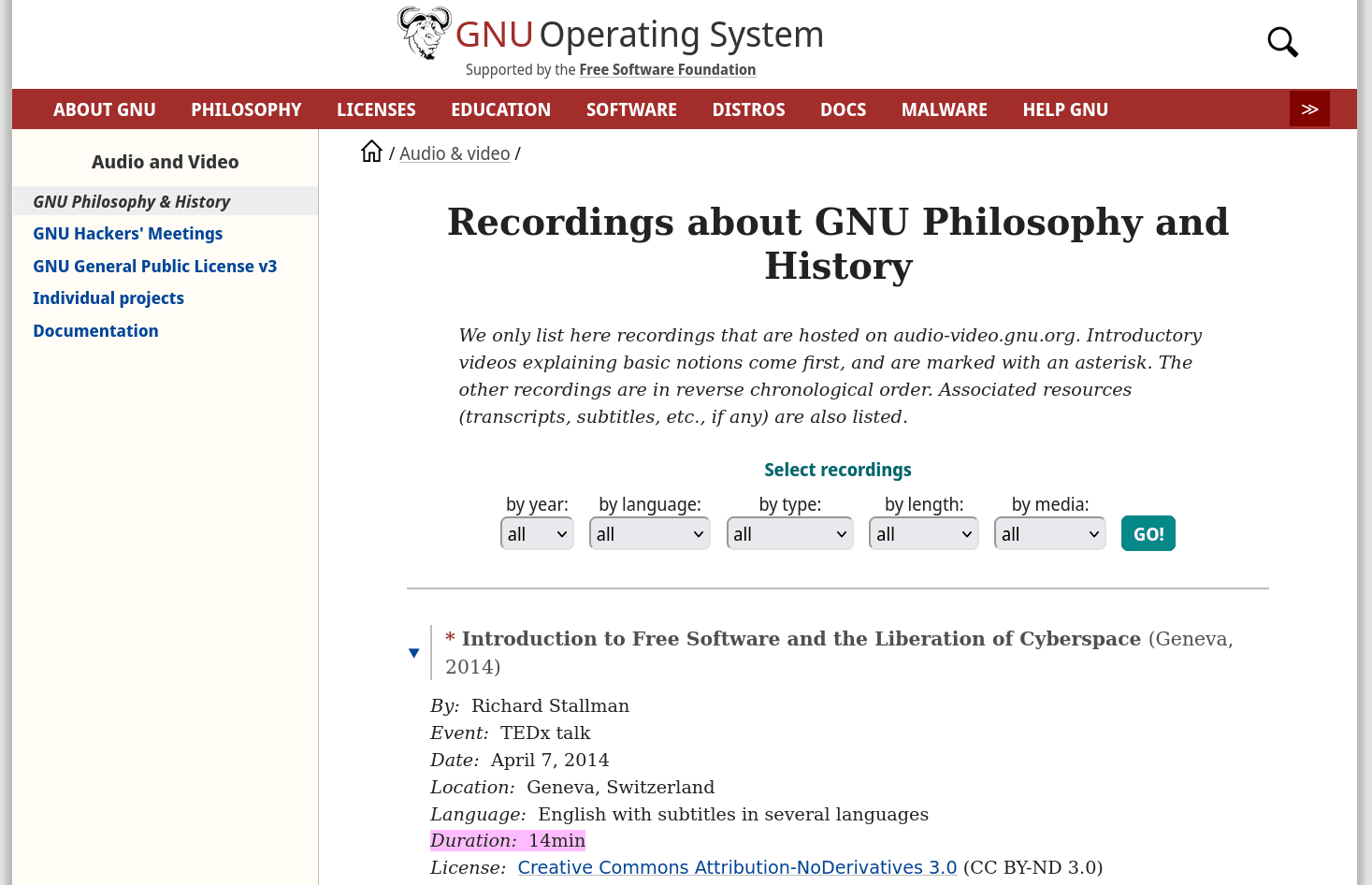
GNU and the Free Software Foundation (FSF), with Richard Stallman's endorsement, are consolidating around AV1 codec adoption due to its wider support among their community members. This decision prioritizes compatibility over the newer AV2 codec for the foreseeable future. The decision is part of an ongoing series discussing codecs and software patents, highlighting AV1 as the chosen standard for their video conversions.
The GNU and FSF's decision to maintain AV1 as their standard codec highlights the ongoing challenge of codec fragmentation and backward compatibility in the streaming ecosystem. Their focus on widespread community support over bleeding-edge technology reflects a strategic choice for accessibility among their user base. This signals that codec adoption can be driven by user base considerations as much as by technical performance; watching for how other open-source projects or smaller streaming platforms align with newer codecs will indicate broader market trends.
The debate between newer, more efficient codecs and widely supported existing standards continues across the industry. For instance, recent reports indicate that while major players like YouTube and Netflix heavily utilize AV1 for its bandwidth efficiency gains, particularly in emerging markets, widespread hardware support for encoding remains a challenge for broader production adoption (via Broadband TV News, May 2026). Similarly, companies like Apple continue to push for broader HEVC adoption within their ecosystems due to existing hardware acceleration and licensing agreements (per MacRumors, April 2026). The Alliance for Open Media (AOMedia), the consortium behind AV1, has continued to develop the codec, focusing on improved tooling and SDKs to ease integration for developers (via AOMedia Blog, March 2026). However, the emergence of AV2, even while not yet widely adopted, indicates ongoing innovation in video compression, which could eventually put pressure on existing AV1 implementations to evolve or risk falling behind in efficiency metrics. The GNU and FSF's stance underscores that for open-source initiatives, community and compatibility often outweigh the immediate technical advantages of the newest iteration.
Add StreamingMeme as a preferred source on Google to see more of our streaming news at the top of your Search results.
Add as preferred source