

CVPR 2026 workshop tackles the generative gap in visual recognition
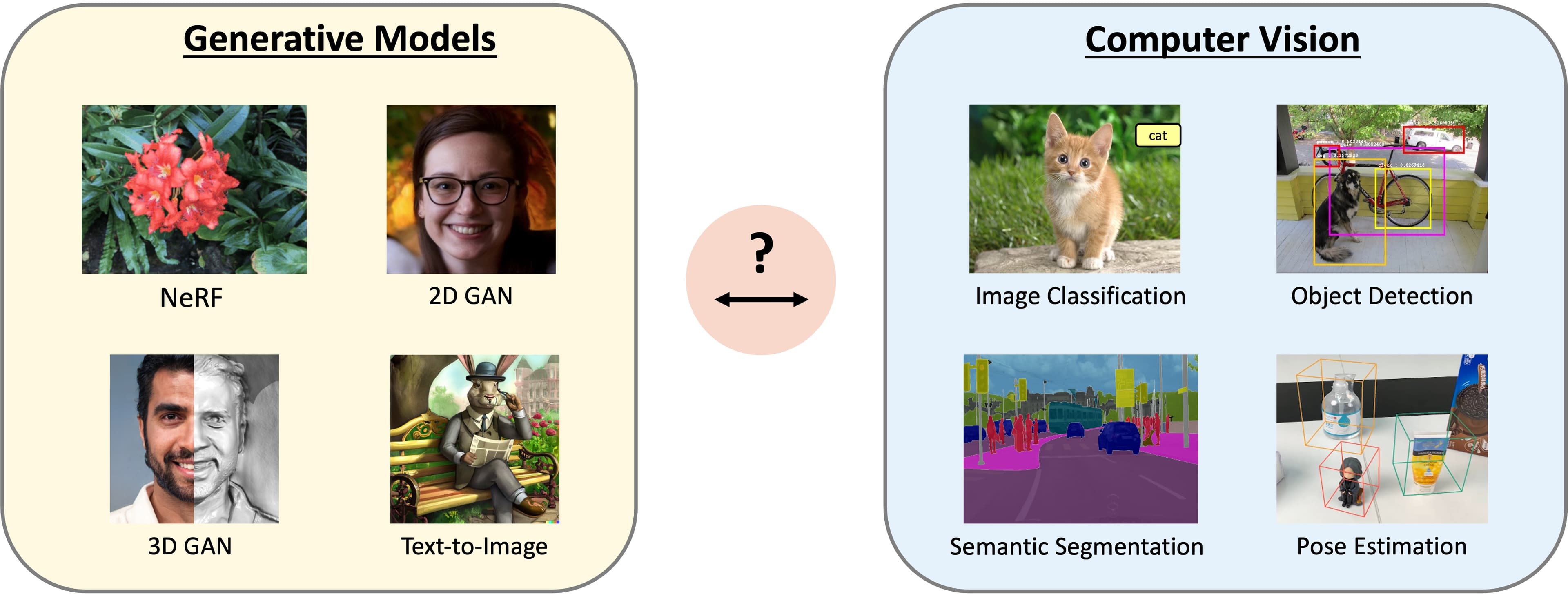
The 4th Workshop on Generative Models for Computer Vision will take place on June 4, 2026, at CVPR 2026 in Denver, Colorado. This workshop will focus on bridging the gap between advancements in generative modeling, such as diffusion models, and their application in visual recognition tasks within computer vision. It will feature discussions from leading researchers and presentations of accepted papers on diverse topics related to generative AI and computer vision.
Key Takeaways
- Researchers from Stanford, Harvard, and Black Forest Labs presented strategies to integrate diffusion models into visual recognition workflows.
- Best Paper awards focused on zero-shot dynamic 3D world modeling and 4D reconstruction for monocular videos without specific training.
- Submission topics covered synthetic image training, o-distribution generalization, and countering adversarial attacks using generative frameworks.
- Technical discussions highlighted ‘inverse generative modeling’ as a primary method for enabling machines to understand complex visual scenes.
Why It Matters
The workshop signals a critical transition for generative AI from creative synthesis to functional analytical tools. For the streaming industry, these advancements in visual recognition and 3D perception are essential for rights management and content discovery. The implementation of generative-representation learning, as discussed by experts from Black Forest Labs, suggests a shift where models no longer just generate pixels but understand scene physics and depth. This technical foundation will be core to next-generation automated metadata tagging and real-time video manipulation. Watch for developments in ‘test-time depth refinement’ as a high-fidelity tool for improving spatial content analysis in professional video stacks.
Additional Context
The 2026 CVPR gathering in Denver arrives as the computer vision market is projected to exceed $80 billion, per industry reports from February 2026. This growth is increasingly driven by the move from research environments to full-scale vertical deployments in sectors like media and entertainment. According to a 2026 Vision AI Trends Report by Roboflow, nearly 70% of high-stakes vision projects in manufacturing now focus on closed-loop systems, a trend that is bleeding into streaming for automated quality control and metadata accuracy. This industrialization is supported by the rise of Vision Transformers (ViTs), which are currently outperforming traditional Convolutional Neural Networks (CNNs) in handling cluttered scenes and global spatial context.
Simultaneously, the integration of multimodal AI—coupling vision with language and audio—has become a standard for foundation models in mid-2026. Major labs, including workshop participants like Black Forest Labs, are focusing on native generative-representation learning to overcome the massive data annotation costs that have historically hindered vision systems. By using synthetic data generated via diffusion models, developers can simulate rare edge cases and class distributions that are otherwise unavailable in organic datasets. Furthermore, the push for edge-optimized models is enabling these vision tasks to run directly on consumer cameras and IoT sensors, reducing latency for real-time applications like diagnostic imaging and industrial safety. Per IEEE/CVF conference data from June 2026, the convergence of generative models and 3D perception systems is specifically targeting the technical bottlenecks in autonomous robotics and spatial computing, which requiring high-fidelity environment mapping.
Read full article at generative-vision.github.io
Enjoy our coverage?
Add StreamingMeme as a preferred source on Google to see more of our streaming news at the top of your Search results.
Add as preferred source