

FCC schedules mid-2025 auction for 160 MHz of Upper C-Band spectrum
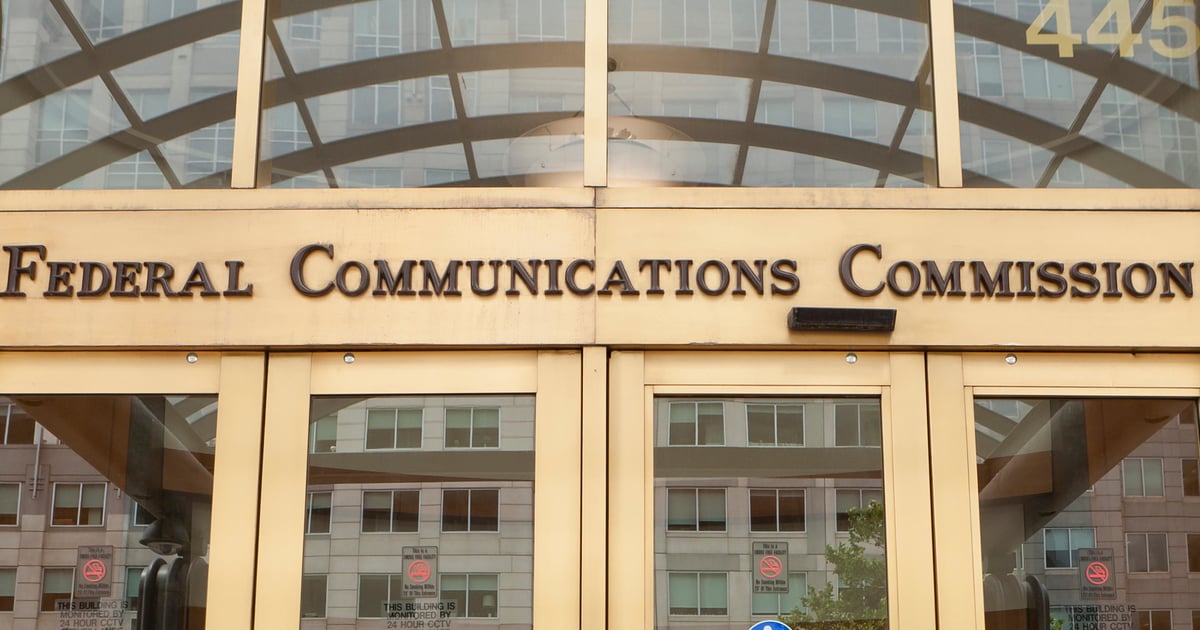
The FCC has approved rules to auction 160 MHz of Upper C-Band spectrum by summer 2025, creating a 440 MHz 'super band' for US mobile operators. While intended to support 5G and wireless expansion, auction winners may not be able to utilize the frequencies until late 2030.
Key Takeaways
- The auction will release 160 MHz of spectrum, 60 MHz more than the statutory minimum of 100 MHz.
- Winning bidders are expected to "light up" the spectrum for most Americans by late 2030.
- The new frequencies will combine with the Lower C-Band to form a contiguous 440 MHz block.
- SpaceX is expected to participate, potentially leveraging acquired licenses for strategic optionality or hybrid services.
Why It Matters
This auction expands the critical mid-band capacity required to sustain high-throughput 5G video delivery as legacy satellite-based distribution declines. For the streaming ecosystem, the eventual 440 MHz "super band" will likely stabilize mobile CDN performance and expand the reach of bandwidth-intensive services in rural areas. However, the 2030 utilization timeline means operators must continue investing in IP-based alternatives and managed networks to replace shrinking C-Band satellite capacity in the interim. Industry strategists should monitor internal bidding from SpaceX, which could signal a shift toward direct-to-device hybrid mobile infrastructure.
Additional Context
The FCC's action follows the July 2025 passage of the One Big Beautiful Bill Act (OBBBA), which restored the agency's auction authority and mandated the release of at least 800 MHz of spectrum by 2034. Per Fierce Network (July 2026), the FCC recently completed the re-auction of AWS-3 licenses (Auction 113) in June 2026, raising $3.57 billion. That auction was dominated by Verizon, which spent $3.16 billion to secure 82 licenses, while SpaceX made its first direct spectrum acquisition with $8.4 million for unpaired frequencies in the 1.7 GHz band. The push for Upper C-Band spectrum is driving a broader shift in the broadcast industry away from traditional satellite distribution. Per Streaming Media (February 2026), broadcasters including TelevisaUnivision and Scripps have already migrated primary linear feeds to managed IP solutions in anticipation of reduced satellite capacity. This transition is accelerated by the fact that the FCC's plan reallocates frequencies currently used for video distribution to terrestrial mobile services, placing significant pressure on the remaining FSS (Fixed Satellite Service) capacity. Technically, the auction rules include new safeguards to protect aviation safety. Per Inside Towers (July 2026), the FCC coordinated with the FAA to establish a rebate program for aircraft radio altimeter upgrades. This is intended to prevent the interference disputes that delayed earlier C-Band rollouts. While mobile operators aim for a fast transition, the order specifies that winning bidders can begin using the spectrum in the top 75 US markets starting in December 2030, with final nationwide access set for July 2031.
Read full article at telecoms.com
Get this in your inbox → Subscribe
Enjoy our coverage?
Add StreamingMeme as a preferred source on Google to see more of our streaming news at the top of your Search results.
Add as preferred source