

Data centers pivot to 80kW rack densities as AI workloads surge
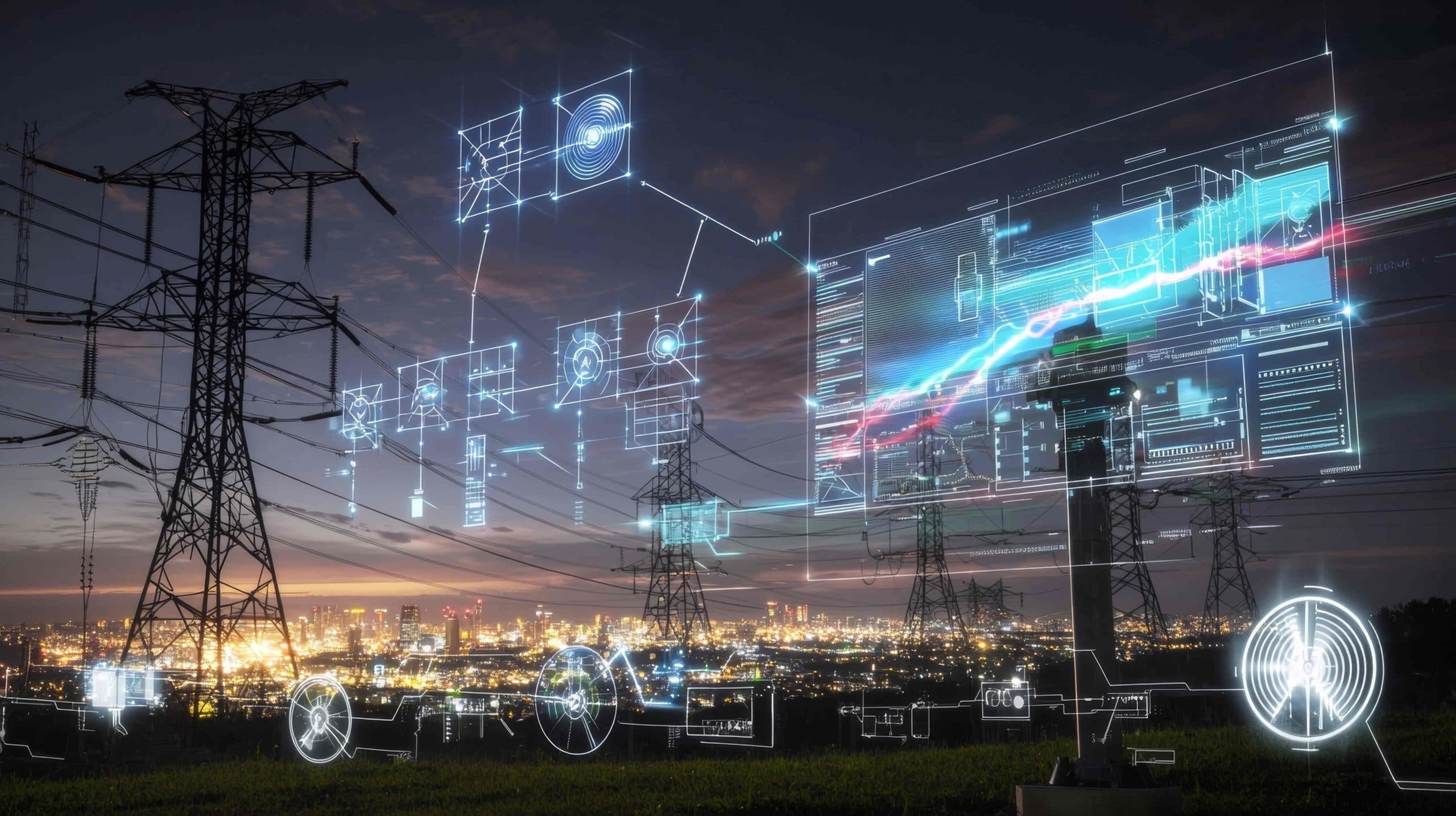
Frost & Sullivan analysis indicates that rising AI and high-performance computing workloads are forcing data centers to shift toward 80kW rack densities, necessitating liquid cooling and more resilient, integrated power architectures. The report outlines key strategies for managing grid instability and asset scaling, highlighting several infrastructure vendors as key players in this transition.
Key Takeaways
- High-density racks in the 40-80kW range are displacing traditional air cooling with liquid-based architectures, primarily to manage GPU-driven load swings.
- Integrated power ownership is becoming essential, coordinating UPS platforms, on-site generation, and cooling systems to prevent cascading failures.
- Critical power security is moving toward a 'security-by-design' model to protect increasingly connected UPS and energy management systems from cyber-physical threats.
- Backup energy assets are being repurposed for peak shaving and grid participation, requiring real-time control to ensure uptime commitments are not compromised.
Why It Matters
For streaming providers, the move to 80kW rack densities represents a necessary infrastructure evolution to support the generative AI features now being embedded into content discovery and production. As power density increases, the risk of localized thermal failure grows, making integrated cooling and power management a critical engineering requirement rather than a facility-level elective. This shifts the streaming technology stack’s bottleneck from pure bandwidth to physical power availability and thermal stability. In an ecosystem where live events demand massive, instantaneous scaling, operators must prioritize digital twin simulations and faster transfer switching to maintain reliability. Watch for a rise in liquid-cooled CDN nodes at the edge to support real-time AI inference for personalized video streams.
Additional Context
The transition toward extreme rack density is a global shift driven by the rapid evolution of GPU hardware. Per reporting from SemiAnalysis in early 2025, the industry moved from managing incremental chip-level power increases to confronting a step-change in facility-level requirements, with new AI-optimized racks demanding up to 110kW — an order of magnitude higher than traditional 5-15kW server racks. This surge has made grid availability the primary bottleneck for new deployments, replacing real estate as the critical path item for hyperscalers like Amazon and Microsoft.
Energy consumption has become a competitive differentiator in the data center market. According to the International Energy Agency (IEA) in early 2026, global electricity use by data centers is projected to double by 2030, reaching approximately 945 terawatt-hours. Consequently, infrastructure leaders are aggressively scaling liquid cooling solutions. Vertiv recently expanded its thermal portfolio with units delivering 2.3 MW of cooling capacity, while Schneider Electric has integrated Motivair liquid cooling technologies into its EcoStruxure platform to support gigawatt-scale AI factories (per Datacentre Magazine, May 2026).
Security has simultaneously become a paramount concern as these power systems become more software-defined. Microsoft and Nozomi Networks have recently emphasized the need for agentless, network-layer monitoring to protect operational technology (OT) from cyberattacks that could cause physical shutdowns or switching errors. Per Microsoft’s Digital Defense Report, the security of OT devices controlling energy production has not kept pace with IT hardware, leading to the identification of over 300 vulnerabilities in third-party OT applications as of mid-2024. This heightened threat landscape is forcing operators to integrate security directly into the power chain's hardware and lifecycle services.
Read full article at frost.com
Enjoy our coverage?
Add StreamingMeme as a preferred source on Google to see more of our streaming news at the top of your Search results.
Add as preferred source