

Brazil validates Advanced HDR supply chain for TV 3.0 nationwide rollout
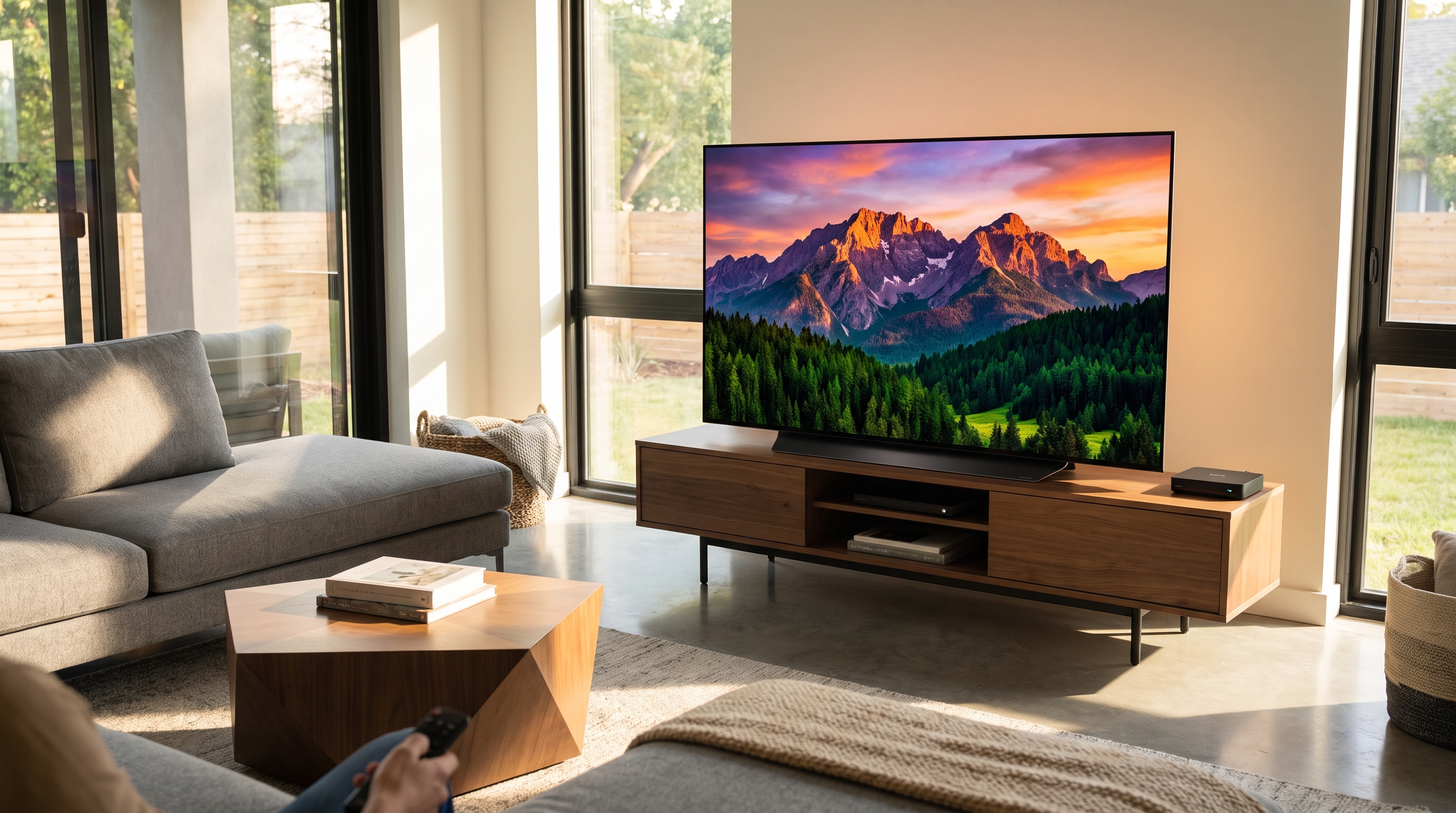
Brazil’s broadcast engineering society (SET) and middleware provider Mirakulo have validated the Advanced HDR by Technicolor ecosystem as production-ready for the country's upcoming TV 3.0 standard. The verification, conducted at a Philips certification lab, confirms that current chipsets and hardware are prepared to support widespread HDR deployment over the air.
Key Takeaways
- Validation covers the full hardware stack, including integrated chipsets and commercially available set-top boxes.
- Mirakulo’s AstroTV NEXT middleware is the first commercial DTV+ implementation to fully incorporate Advanced HDR by Technicolor.
- Integrated workflows and certified reference chains were shown to lower bill-of-materials costs and accelerate time-to-market for device manufacturers.
- The technology supports high-quality over-the-air HDR delivery that remains independent of consumer broadband availability.
Why It Matters
The certification of a commercial supply chain clears the path for Brazil to move from technical trials to large-scale consumer services. By ensuring chipset and middleware interoperability now, broadcasters like TV Globo can finalize HDR delivery plans with significantly reduced integration risk. This deployment is a critical test case for the ATSC 3.0-derived DTV+ standard, demonstrating how next-generation broadcast can deliver premium visual quality without the bandwidth constraints of traditional terrestrial or IP streaming. Watch for the first wave of TV 3.0-certified consumer receivers to hit the Brazilian market ahead of the 2026 FIFA World Cup.
Additional Context
The validation of the Advanced HDR ecosystem arrives as Brazil aggressively pursues a 2026 commercial launch for its TV 3.0 (DTV+) standard. Per a presidential decree signed in August 2025, the new system mandates several advanced technologies, including VVC (H.266) video compression and MPEG-5 LCEVC enhancement layers to enable 4K HDR at bitrates as low as 10 Mbps. Despite this momentum, the government recently extended the full implementation timetable through late 2027 to allow the consumer electronics sector more time to mature its hardware offerings, according to CSI Magazine in March 2026. While technical building blocks are largely shared with the U.S. ATSC 3.0 standard, Brazil’s policy mandate for specific codecs like LCEVC and MPEG-H Audio distinguishes it as one of the most prescriptive national broadcast rollouts. At NAB 2025 and 2026, firms including Triveni Digital and V-Nova demonstrated how these technologies allow broadcasters to insert dynamic, personalized advertising into linear feeds, a core monetization strategy for the DTV+ ecosystem. These advancements have already drawn interest from neighboring regulators in Argentina and Chile, who are observing the Brazilian transition to inform their own regional digital TV roadmaps, per SBTVD Forum reports from early 2026. Technically, Advanced HDR by Technicolor offers a distinct advantage for regional markets: it uses a single-stream architecture that carries dynamic metadata within standard-definition bandwidth. This eliminates the need for broadcasters to transmit parallel SDR and HDR feeds, a legacy infrastructure burden that has slowed NextGen TV adoption in the U.S. By pairing these workflows with affordable converter boxes, as noted by Pearl TV in June 2026, Brazil aims to ensure that high-fidelity video remains accessible to households regardless of their internet connectivity or hardware budget.
Read full article at tvnewscheck.com
Get this in your inbox → Subscribe
Enjoy our coverage?
Add StreamingMeme as a preferred source on Google to see more of our streaming news at the top of your Search results.
Add as preferred source