

Creators are urged to use AI voice cloning with consent
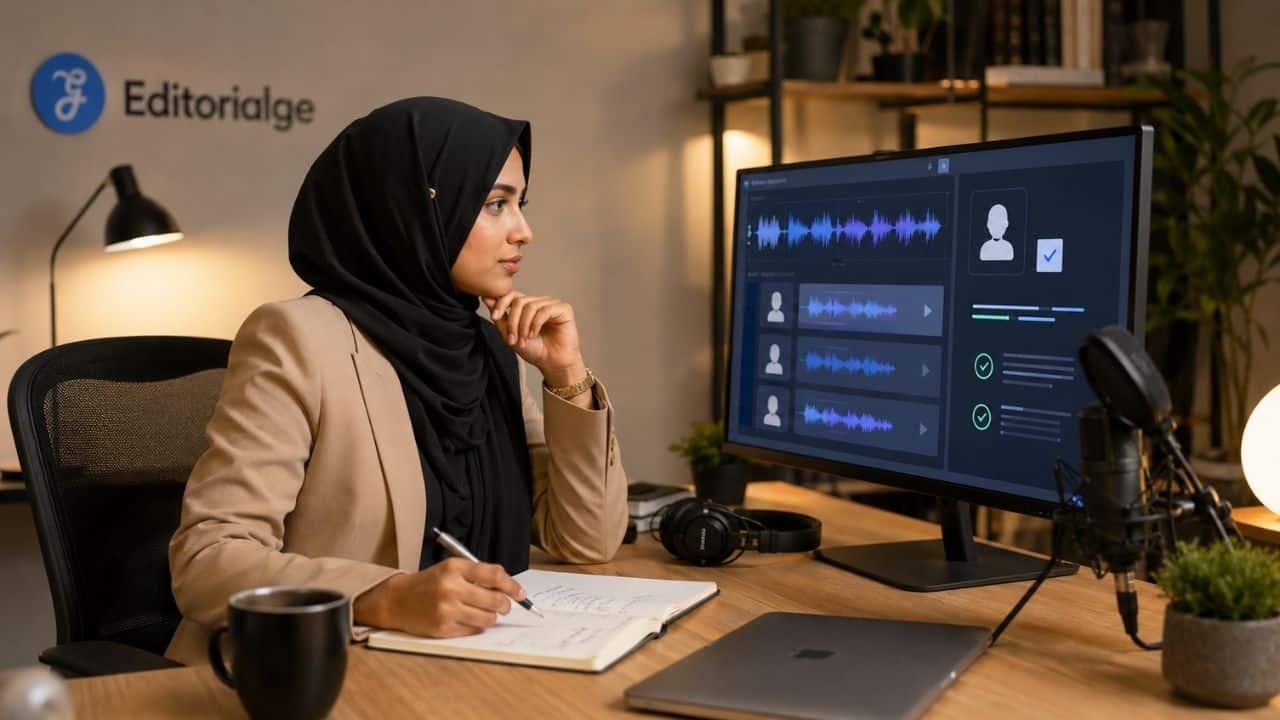
The article discusses the ethical considerations surrounding AI voice cloning, focusing on the need for consent, protecting voice rights, and promoting responsible practices for creators utilizing AI voice replication technologies. It serves as a guide for navigating the ethical landscape of AI-generated voices.
Key Takeaways
- Consent is the central requirement for using AI voice cloning responsibly.
- The article emphasizes protecting voice rights when replicating a speaker’s voice.
- It positions AI-generated voices as a creator tool that needs safe practices, not just better synthesis.
- The guidance is aimed at creators using AI voice replication technologies.
Why It Matters
For streaming teams, the immediate takeaway is that AI voice cloning is being treated as an ethics and rights issue, not just a production shortcut. That matters for creator workflows because the article centers consent, voice rights, and safe practices as the guardrails for AI-generated speech. In the broader streaming ecosystem, this aligns voice replication with the same rights-management discipline already common in video and music production. The specific signal to watch next is whether creators adopt consent-based workflows as the default when using AI voice replication technologies.
Read full article at editorialge.com
Enjoy our coverage?
Add StreamingMeme as a preferred source on Google to see more of our streaming news at the top of your Search results.
Add as preferred source