

AI PODs Emerge for Specialized Processing of Streaming Video Data
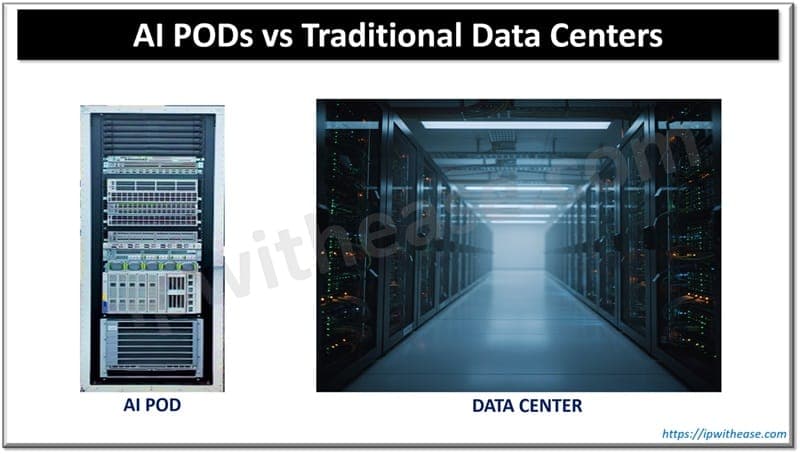
The article contrasts AI PODs with traditional data centers, highlighting their specialized design for AI workloads. AI PODs feature high-density GPU clusters, high-speed networking (Infiniband), and efficient cooling, optimized for large-scale AI model training and inference, unlike general-purpose traditional data centers primarily using CPUs.
Key Takeaways
- AI PODs utilize high-performance GPU clusters, Infiniband networking, and liquid cooling for AI/ML workloads.
- Traditional data centers primarily use CPUs, Ethernet-based networking, and air cooling for general enterprise computing.
- AI PODs are designed for parallel processing of unstructured data (video, text, image), while traditional data centers handle structured/semi-structured data with sequential processing.
- AI PODs are characterized by massive power consumption and ultra-low latency between GPUs, resulting in high operational costs and complex deployments.
Why It Matters
The shift towards AI PODs underscores the streaming industry's increasing reliance on specialized infrastructure for processing large volumes of unstructured data, particularly video. This technology is critical for advanced AI applications like content recommendation, real-time analytics, and personalized experiences, which demand high computational power and low latency. As AI integration deepens across streaming workflows, companies will need to weigh the significant operational costs and deployment complexities of these specialized units against the performance gains necessary to maintain a competitive edge. Watch for investments in modular AI data center solutions and partnerships between streaming providers and infrastructure specialists.
Additional Context
The demand for specialized AI infrastructure like AI PODs is driving a broader trend towards modular data centers. Built In (May 2024) reports that modular data centers offer a faster, more flexible alternative to hyperscale facilities, which often strain power grids and take years to build. These container-style pods can be deployed in weeks, handling high-density AI workloads and edge computing closer to data sources. This modular approach allows operators to add capacity incrementally, matching demand with infrastructure investment, rather than building out large, potentially underutilized campuses.
RCR Wireless News (March 2025) further emphasizes the distinction, highlighting that AI data centers differ from traditional ones in purpose, hardware (heavy reliance on GPUs), advanced cooling, and high-speed networking requirements. For streaming, this translates to faster processing for AI-driven features. Schneider Electric (March 2026) points out that AI workloads, with rack densities reaching up to 227 kW, necessitate direct-to-chip liquid cooling and higher-voltage power distribution, driving the need for prefabricated AI pods that integrate power and cooling in controlled factory environments. This accelerates deployment from months to days. Edge Infrastructure Review (April 2026) suggests that for live streaming at scale, a hybrid edge-bare metal architecture is crucial. This model places core workloads like origin encoding on high-performance bare metal servers while leveraging edge computing for transcoding, caching, and delivery logic closer to viewers, critical for interactive and low-latency experiences.
Read full article at ipwithease.com
Enjoy our coverage?
Add StreamingMeme as a preferred source on Google to see more of our streaming news at the top of your Search results.
Add as preferred source