

Agora streamlines Unity voice integration as cross-platform multiplayer segment hits $14.9B
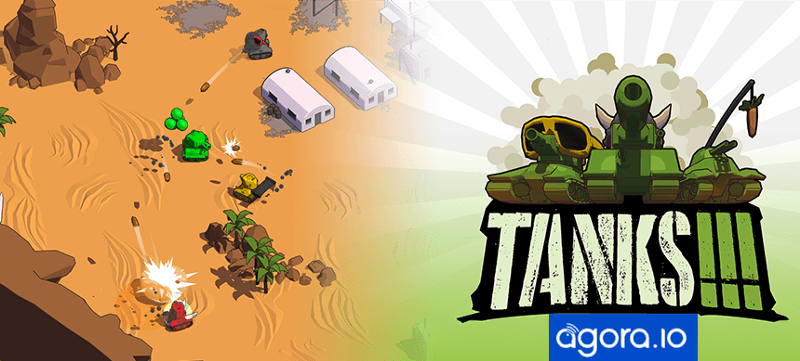
Agora provides a detailed tutorial for integrating its Voice SDK into Unity projects, enabling cross-platform voice chat capabilities in multiplayer games. The guide outlines the setup process for iOS and Android, including specific C# scripting for channel management. This technical guide demonstrates Agora's SDK as a tool for developers to enhance real-time communication features in their streaming-enabled applications.
Key Takeaways
- Agora Voice SDK provides unified C# channel management for both iOS and Android within the Unity Editor.
- Technical workflow requires manual resolution of legacy Everyplay plugin conflicts in Unity’s Tanks!!! reference project.
- SDK implementation utilizes a static IRtcEngine reference and .Poll() method to maintain real-time engine persistence.
- Project setup necessitates enabling Unity Live Mode with a minimum configuration of six players for multiplayer testing.
Why It Matters
Reducing friction for real-time voice integration is critical as cross-platform support becomes a baseline player expectation rather than a luxury feature. For developers, outsourcing communication infrastructure to third-party SDKs like Agora's significantly lowers the engineering overhead typically associated with custom WebRTC deployments. In an increasingly fragmented market, the ability to maintain consistent latency and voice quality across disparate mobile hardware is a key driver for player retention. Industry strategists should watch for similar middleware consolidation as developers prioritize time-to-market over building proprietary backend stacks. Success now hinges on whether these managed services can maintain price competitiveness as session volumes scale.
Additional Context
The demand for real-time communication coincides with a significant expansion in the cross-platform gaming market, which is projected to reach $14.9 billion in 2026, according to recent sector analysis by rec0ded88 in April 2026. Data from the 2026 Unity Game Development Report indicates that 83% of surveyed studios now support online multiplayer features, with 72% prioritizing cross-play to diversify their audience growth. This shift is particularly pronounced in emerging markets like India, which 73% of developers cited as their primary growth opportunity for the year.
Simultaneously, the infrastructure landscape is shifting as Unity begins a phased exit from its direct Multiplay Game Server Hosting service. Per a December 2025 announcement, Unity will operate the service only through March 31, 2026, transitioning customers to third-party providers like Rocket Science Group. This push toward external infrastructure partners aligns with Agora’s latest financial performance; the company reported a 13.5% year-over-year revenue increase to $37.7 million in Q1 2026, driven by rising usage in social and entertainment sectors.
Competitive pressure in the SDK space is also intensifying. While Agora maintains its global footprint via its software-defined real-time network (SD-RTN), alternatives like LiveKit have gained traction by offering open-standard WebRTC managed services. Per industry reporting from Medium in April 2026, many high-volume titles are evaluating the total cost of ownership (TCO) between managed SDKs and custom builds, with the financial 'crossover point' typically occurring at approximately 500,000 minutes of usage per month.
Read full article at prod.agora.io
Enjoy our coverage?
Add StreamingMeme as a preferred source on Google to see more of our streaming news at the top of your Search results.
Add as preferred source