

Agora simplifies cross-platform multiplayer voice integration for Unity mobile games
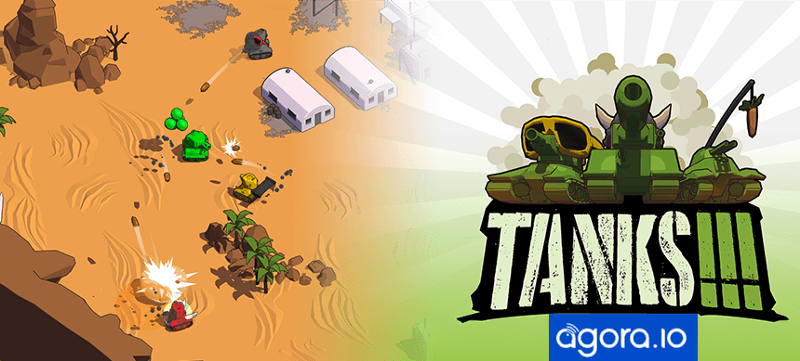
Agora published a detailed tutorial on integrating its Voice SDK into Unity mobile games to enable cross-platform voice chat. The article uses the Tanks!!! reference project to demonstrate step-by-step how developers can add real-time communication features to their multiplayer titles on both iOS and Android platforms.
Key Takeaways
- Agora Voice SDK enables synchronized group chat functionality between iOS and Android clients within the Unity engine.
- Technical workflow requires manual disabling of the defunct Everyplay plugin to prevent Android application crashes during compilation.
- Integration utilizes the IRtcEngine interface, requiring developers to implement a .Poll() method within the Unity Update loop for persistent connectivity.
- The solution supports up to six players per session, exceeding the four-player limit of the baseline Tanks!!! reference project.
Why It Matters
This move strengthens Agora’s position in the mobile middleware market by providing a stable alternative to fragmented or deprecated first-party Unity tools. As cross-platform play becomes standard for mobile multiplayer titles—which now account for over 52% of total gaming revenue per Sensor Tower—seamless real-time communication is a critical retention metric. Developers should monitor the integration of these third-party RTC engines with Unity 6’s new Multiplayer Center, which aims to centralize matchmaking and networking workflows.
Additional Context
Unity recently transitioned several core backend services, including the announcement that it would operate its Multiplay Game Server Hosting service only through March 31, 2026, before licensing the software to Rocket Science Group. Per Reddit and industry reports from December 2025, this move is part of Unity's broader strategy to offload specialized infrastructure management to third-party partners while focusing the internal engine roadmap on graphics and core stability. This shift has created an opening for real-time engagement providers like Agora to become the default standard for specialized features like low-latency voice and video.
Simultaneously, the launch of Unity 6 in late 2024 and its subsequent 2025 updates have introduced the Multiplayer Center, a dedicated hub designed to reduce the technical complexity of session management. Per GamesIndustry.biz, Unity 6.1, which launched in April 2025, specifically optimized rendering tasks to the GPU, freeing up CPU overhead for intensive background tasks like voice processing. However, even with these internal improvements, many developers still rely on external SDKs for cross-platform reliability, particularly as Everyplay’s shutdown in late 2018 continues to leave legacy bugs in older Unity asset packages.
The broader voice AI and real-time communication market is experiencing rapid growth, with projections from Market.us suggesting the sector could reach $47.5 billion by 2034. Per AnveVoice reporting in May 2026, over 78% of businesses have now deployed some form of voice AI, further normalizing high-quality audio interactions for consumers. For game developers, this means player expectations for audio clarity and low-latency interaction in multiplayer environments are at an all-time high, making the choice of RTC infrastructure a primary architectural decision.
Read full article at prod.agora.io
Enjoy our coverage?
Add StreamingMeme as a preferred source on Google to see more of our streaming news at the top of your Search results.
Add as preferred source